
Financial strain ranks as highest unmet need in breast cancer community survey
- 02/13/26
In a community report released Feb. 13, Living Beyond Breast Cancer published findings of its 2025 Needs Assessment survey, revealing financial struggles top the list of unmet needs for people with breast cancer.
“As much as we have seen progress in available treatments for people with breast cancer over the last two decades, the cost of going through breast cancer continues to be more than most families can manage,” says Jean A. Sachs, MSS, MLSP, chief executive officer of LBBC. “Our community also knows deeply that it’s not just medical bills. It’s a perfect storm of inability to work or earn as much, the time treatment takes away from their lives, and the stress of not knowing how they are going to pay for all of this.”
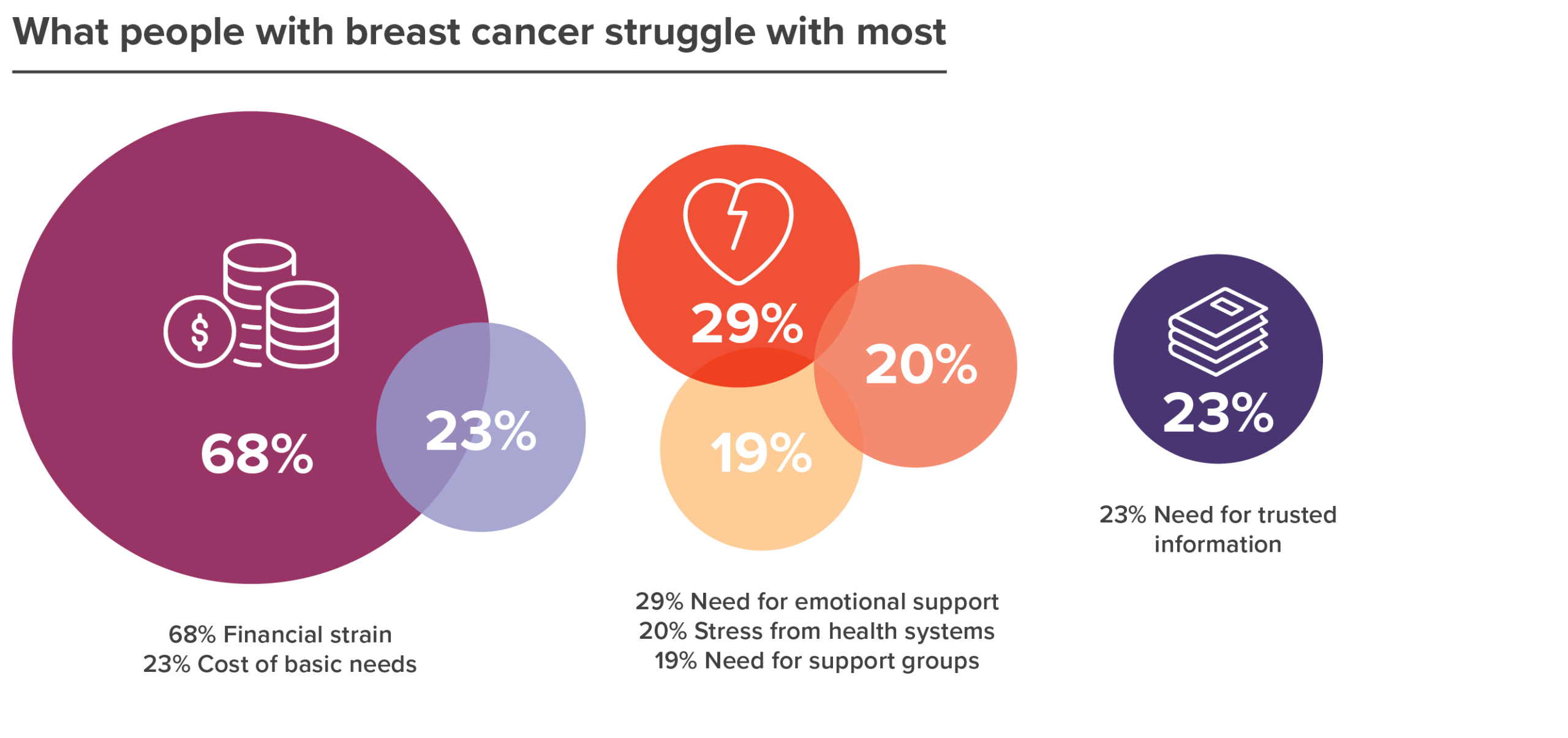
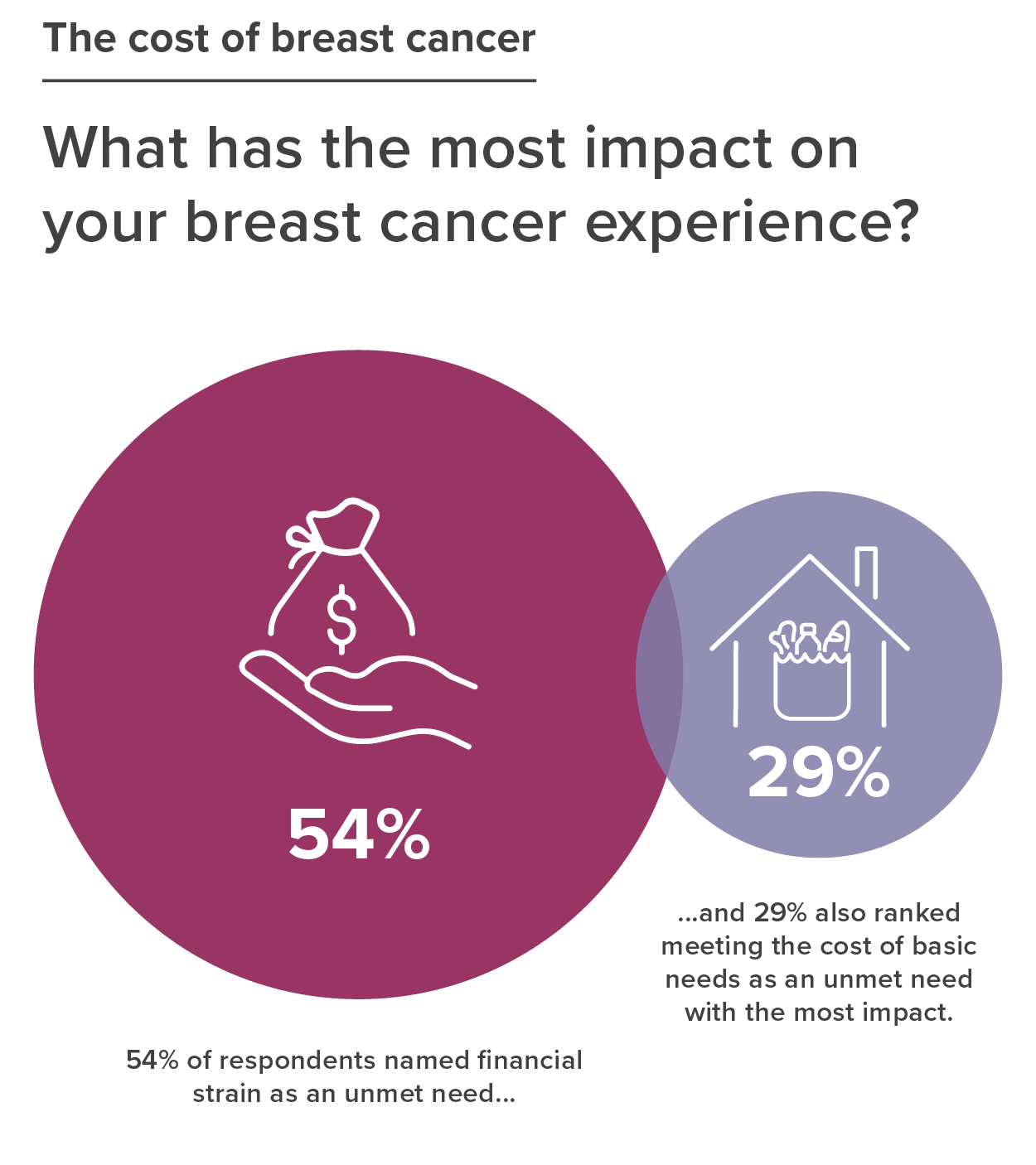
More than half of respondents said financial strain has had the greatest impact on their breast cancer experience. Financial strain and the cost of affording basic needs like housing, food, and transportation were the first (54%) and third (29%) highest ranking unmet needs in the survey, conducted in June 2025.
“I have guilt because I think about all the money I have cost my family.”
Support to live better with breast cancer
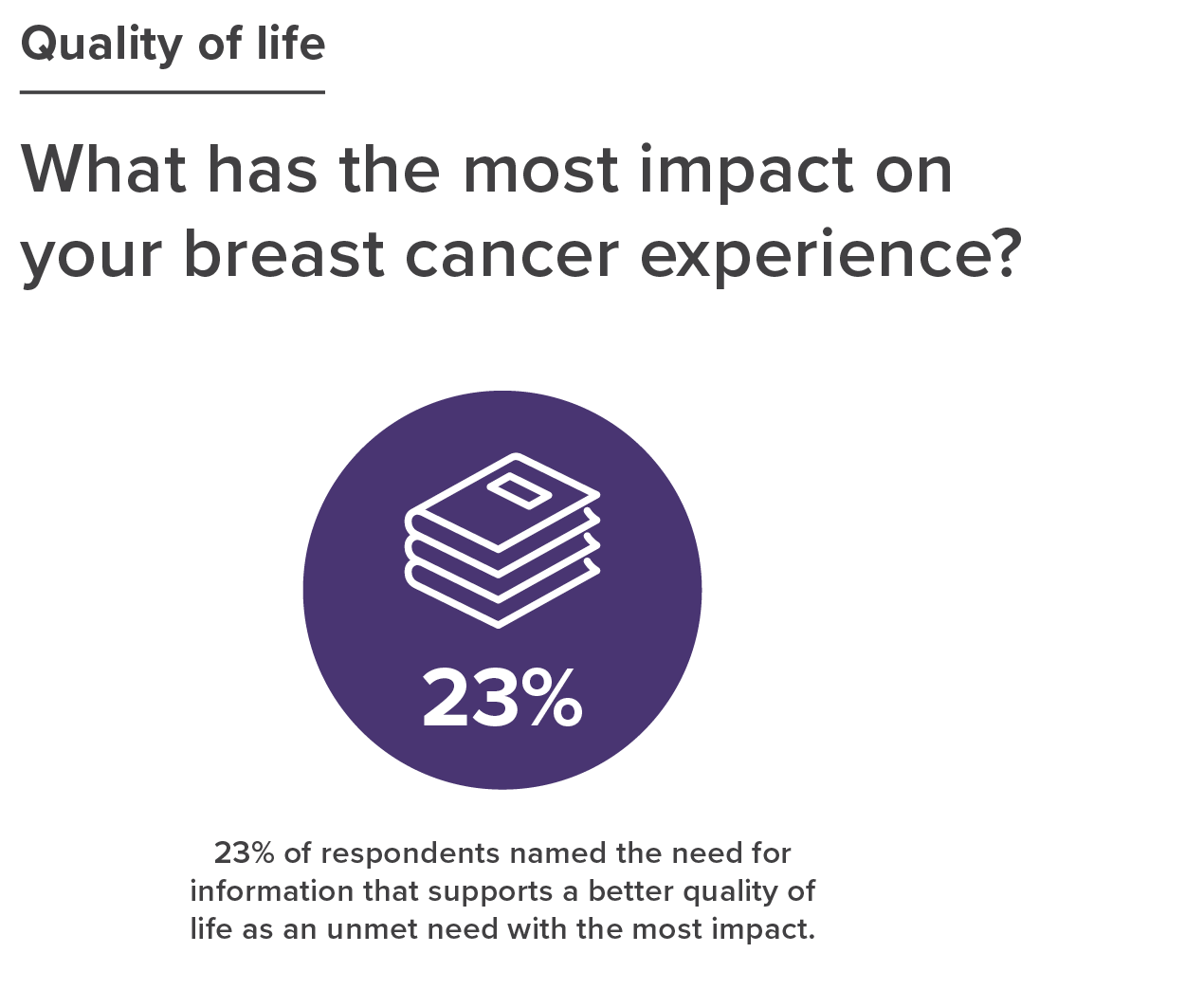
Respondents called out emotional stress — particularly stress caused by complex healthcare and insurance systems — and the need for information to support a better quality of life as the other highest unmet needs for the community.
Many respondents reported feeling overwhelmed by paperwork, coverage questions, and administrative hurdles at a time when their energy and health were already strained.

“People going through treatment spend much of their time trying to access care they should get but can’t access because of a range of barriers,” says Ashley Dedmon, vice president of mission and strategy at LBBC. “They learn along the way that getting through this labyrinth is, as one of our respondents said, like another full-time job.”
“I don’t have the energy to fight insurance things even when I know I should get it.”
LBBC’s needs assessment survey combined small focus groups with a large-scale survey of 1,001 respondents. Most respondents (87%) were people diagnosed with breast cancer, and the remaining participants were caregivers or healthcare professionals who work closely with people with breast cancer.
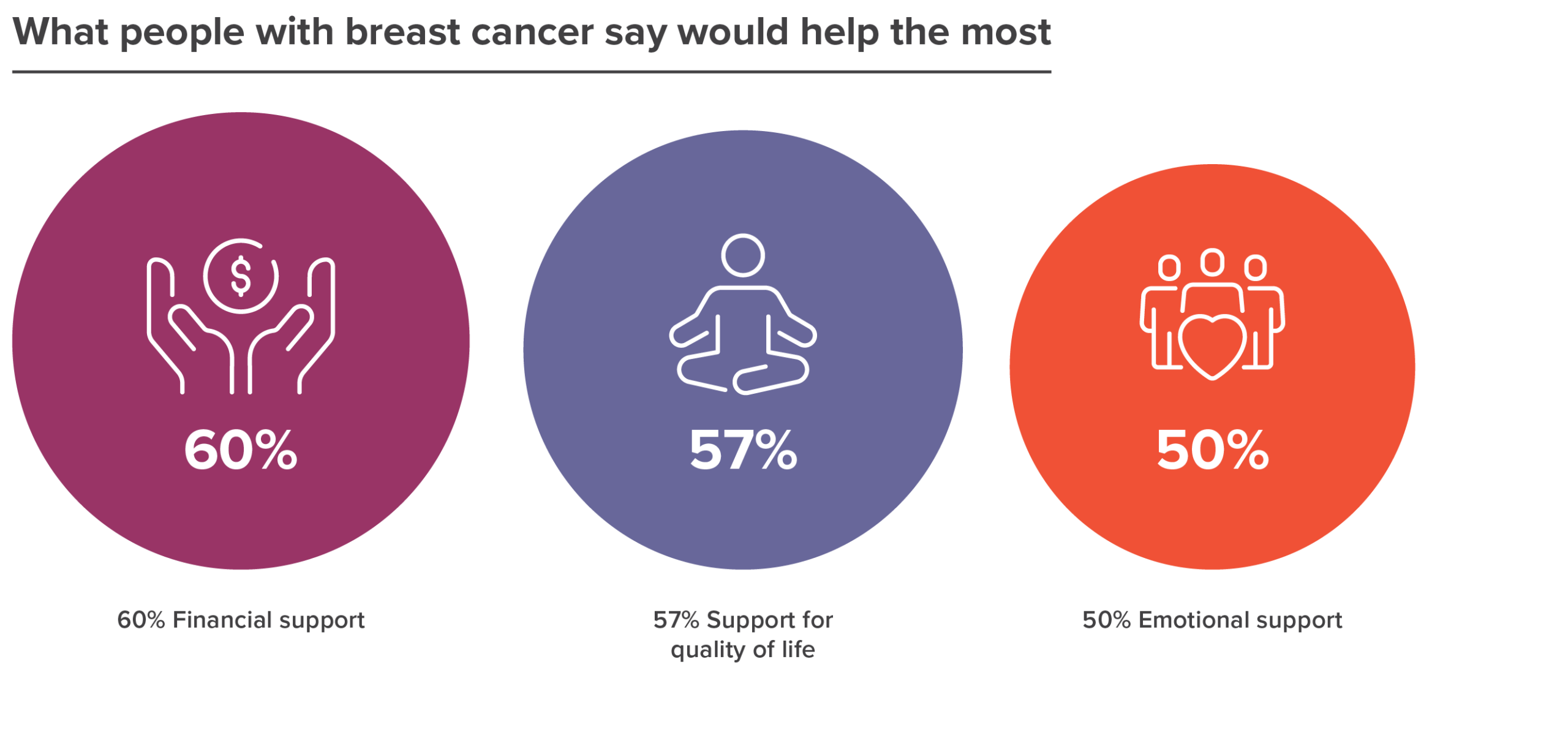
The survey also asked participants to share solutions they feel would best meet the unmet needs they reported. Most (60%) said direct financial support and coordinated access to financial resources would be most helpful. Solutions that ranked second and third were support for services and programs that improve quality of life (57%) and emotional support resources (50%).
“Patient needs are so intense. You never feel like you are doing enough.”
Breast cancer provider voices
Healthcare providers were also asked about their experiences. They identified the same unmet needs as people with breast cancer, but at higher rates.
In response to questions about provider burnout, 38% said they felt like they were not able to do enough to meet patients’ needs. Provider respondents also said they didn’t have the financial resources to fully support their patients, had too many patients to attend to all of them well, and had a general feeling of being overworked.
Meeting the need
In response to these findings, LBBC reaffirmed its commitment to providing direct financial assistance, trusted educational resources, and peer-to-peer emotional support. Now celebrating the 35th anniversary of its founding in 1991, LBBC offers programs such as the Breast Cancer Helpline, online support groups, in-person and virtual education programs, and a training program to encourage those diagnosed with early-stage and metastatic breast cancer to have their voices heard.
The organization also emphasized the importance of sharing real stories from the community to reduce isolation and help others with practical advice on navigating similar challenges.
“Understanding what people with breast cancer need most helps us focus our work where it matters,” says Sachs. “This report reflects the voices of our community and guides us as we look to the future.”
Stay connected
Sign up to receive emotional support, medical insight, personal stories, and more, delivered to your inbox weekly.
- Has worked at LBBC since 2025
- Nearly 20 years of nonprofit and higher education communications experience
- Thriving after an early-stage breast cancer diagnosis in 2015 and metastatic diagnosis in 2021
- Advocate for emotional well-being tools and participation in clinical trials
Tagged:

Living Beyond Breast Cancer is a national nonprofit organization that seeks to create a world that understands there is more than one way to have breast cancer. To fulfill its mission of providing trusted information and a community of support to those impacted by the disease, Living Beyond Breast Cancer offers on-demand emotional, practical, and evidence-based content. For over 30 years, the organization has remained committed to creating a culture of acceptance — where sharing the diversity of the lived experience of breast cancer fosters self-advocacy and hope. For more information, learn more about our programs and services.