
Updates by subtype: HER2-positive, hormone receptor-positive, and triple-negative MBC
- 04/18/26
In this keynote session from Living Beyond Breast Cancer’s 20th Annual Conference on Metastatic Breast Cancer, Virginia Borges, MD, MMSc, and Dave Cescon, MD, PhD, provide treatment updates, suggest what to look for in the future, and discuss how far we have come. Watch the video, listen to the audio recording, read the transcript, or download the presentations below.
Transcript
Virginia Borges, MD, MMSc (00:00:13):
Hi, everyone. I’m always very honored to be here. I think this is probably one of the most important conferences I ever speak at because you’re my people. I have learned the most from the people who have been my patients and entrusted me with their care and their lives over the years because you are the ones living this experience. And so you have a lot to teach us about what it looks like and what it should look like and what it needs to look like.
(00:00:41):
I knew I had been here before and spoken at this conference in this hotel before. I didn’t realize it was 20 years ago. I have been thinking about metastatic breast cancer actually for a little bit closer to 30 years because I started my oncology training in 1996. So very honored to be here.
(00:01:02):
My topic today will be updates on hormone receptor-positive metastatic breast cancer as you know. And I wanted to start off with just some of the kind of basics of the terminology so that as you’re speaking with your clinicians or you’re reading about things or you’re at the major meetings and these terms are all being thrown around, what do they really mean and what do we need to think about them. I know some of you have been living with your breast cancer for a very long time, but others less so. So hopefully it’ll be important for you to know these things.
(00:01:32):
When we talk about metastatic breast cancer, you’ll hear doctors use words like de novo disease. That means at diagnosis it had already spread to elsewhere in the body. It was stage IV. Technically if somebody is diagnosed with stage I, stage II, or stage III breast cancer and it returns as metastatic disease, we don’t actually call that stage IV. It’s just a metastatic recurrence. But de novo means it was there at the beginning.
(00:01:58):
Oligometastatic means when it does show up as metastatic disease, it’s only in a few spots, like two or three, and sometimes depending on the disease subtype, we can take a more aggressive approach at that. I have some patients who came to me with de novo oligometastatic disease, and I have grown up with them. I have taken care of them my entire career. Like those of you who are standing up with the 20-some-odd years, that’s what we’re talking about.
(00:02:28):
When breast cancer shows up, it matters a little bit where it is in the person’s body in terms of are we seeing it only in the bones or maybe the bones in the lymph nodes or are we seeing it in sites that we call visceral disease. So that’s the soft parts — the lungs, the liver — and that can matter. And that’s what we mean by the sites of metastasis when you’re seeing that in your clinician’s notes, since most of you now get those sent directly to you after we sign them.
(00:02:56):
Tumor markers, as you guys know, are these blood proteins that we measured. We use them as sort of a surrogate of how the cancer is responding. I call it the poor man’s CAT scan because if somebody has a tumor marker that allows me to know it’s looking good or it’s rising that lets me space out the frequency for which I have to go ask them to do one of those nasty CAT scans, bone scans, PET scans, et cetera.
(00:03:20):
The important thing to know is tumor markers are normal proteins that exist in all of our bodies. I have a measurable level of these proteins too. And so you can’t get too wrapped up in them because in Colorado when the wildfires are going or when the seasonal bloom is happening, tumor markers can go up a little bit because these are really just measuring levels of inflammation in a person’s body. It does happen to also be proteins that can get produced by the cancer cells themselves. But for example, CA 27.29 or CA 15-3, which is measuring the same protein, that protein is MUC1. MUC1 is on the surface of every cell that lines an opening in every person’s body, even the caregivers in the room. From here to here, all the GYN organs, all the lungs. So if you’ve got something else going on in your body that’s causing inflammation in any of those areas, your body’s going to make a little bit more MUC1. And that level can kind of seesaw or vary.
(00:04:19):
Folks can get very upset if they see minor changes in their tumor markers. I just want to say how you are feeling and what the scans are showing matters way more than what that number is doing. And also the amount doesn’t matter. Some cancers like to make this protein in abundance. I have patients whose levels are in the thousands, and they are perfectly healthy and working. And I have others where their cancer doesn’t make much of this at all and they never have a really useful level that we can follow. So don’t get too wrapped up in them.
(00:04:53):
So ctDNA testing is the new promise on the horizon. Tumors express small amounts of DNA, particularly as they’re dying from treatment. And so we can measure that in people’s blood. The hope is one day that we could actually do that at such a level that we could eliminate the need for scans and really be able to tweak and improve how we do things. I know there’s going to be a session on that later in the conference, so I’m not going to spend too much time on that.
(00:05:19):
NGS or genomic testing is testing the tumor to get its deeper fingerprint.
(00:05:25):
And then evidence-based medicine, that is what doctors, like my colleague and I, do. Everything we recommend to our patient came from years of clinical trials, proof of how we use the drug, proof that this drug was better than what we were doing before. It’s level 1 evidence, which is a scientific term meaning hundreds of people agreed that this was the right thing to do at the start of the trial. Hundreds to thousands of people participated in the trial as our partners in research. And at the end there were thousands of people who reviewed that and agreed that it was worth putting out there and changing guidelines.
(00:06:02):
Real-world evidence is this cool thing that’s come about since we’ve started to have these enormous databases, and AI is helping us figure these things out. So this isn’t a clinical trial per se. This is looking at the thousands upon thousands of people who have been treated and using real world evidence of capturing their data in huge databases and saying, “Well, what was the true lived experience?” Because it is always a little bit different when you look at what happens to people as they’re being treated off of a clinical trial just as standard of care than what happened during the clinical trial. So it’s really important.
(00:06:38):
No evidence of disease, or NED. Your favorite friend, right? Everybody wants NED in their life. What that means is we can’t really see anything interesting on the CAT scan, the bone scan, or the PET scan anymore. Is the cancer still there? Yeah, probably, but that’s what we like to see in terms of the best responses. You don’t ever have to get NED to live a really long time with metastatic breast cancer. And the most important thing to know is if the bones have been involved when they heal, we will forever be able to see where those lesions were. So I like to use the term “no evidence of active disease” because the CAT scan and the bone scan might still talk about things, but if it’s not active, that’s NED with an “A.”
(00:07:31):
There was no medical oncologist on the federal board that made the decision that the second the radiologist signs that report, it goes to your portal. And so I have long conversations with my patients before I order their first set of scans because we all have the internal freckles of life: the pulmonary nodules that are not cancer, the cysts or the hemangiomas in our liver, our kidneys, the things. Also, I love my radiology colleagues, but they measure things in increments of 1 millimeter and if something has changed by 1 millimeter, they like to drop the “P” word in the report. And that’s not actually progression. That’s just you were breathing differently or laying differently in the scanner. So we really have to make sure that we understand what we’re getting ourselves into when we do these scans and that you guys are aware of all the anxiety and fraught issues with what those scan reports can read.
(00:08:32):
What does a care team look like in 2026? I can’t see my patients all myself every single time. I have a fleet of advanced practice practitioners, or APPs, or their PAs or NPs, and they’re fantastic. They help me see all the people who need to get seen in my clinic because I’m sure you’re maybe aware there’s a shortage of medical oncologists in the United States, and we have not been reproducing ourselves at the rate that we need.
(00:09:00):
Get to know that part of your team really well. I find that sometimes they’re the ones who listen better than some of the doctors. So they’re the ones who can really help advocate for you too.
(00:09:14):
In terms of patient-focused care, some of the most important things I’ll highlight and then I’ll just sort of skip towards the interesting stuff we’re going to talk about today.
(00:09:23):
The goals of care are what you guys tell us you want us to do and you need to make sure you are communicating that because it doesn’t matter what I can offer you. I’m the navigator. You’re the captain. You’re going to tell me what we’re going to do after I kind of present the dessert tray. What do you want from the tray?
(00:09:43):
And then I know you’re getting a lot of information at this meeting about diet and exercise. Diet and exercise matter. Exercise is the far more important thing. If you ever doubt what you need to do for yourself, put your phone down, get off the computer, and go outside and take a walk. That is what has been shown to be one of the most life-prolonging things for everyone, even myself.
(00:10:06):
Be a little bit careful about supplements and some of the stuff that is out there. If the person who is talking to you about it is going to make a profit by your choices in the matter, let the buyer beware. Academicians are salaried physicians. I will make the same salary whether a patient ever comes back to see me or not, whether they agree to my recommendations or not. So just be a little bit aware of that.
(00:10:29):
If you’re a woman with metastatic breast cancer, you should not forget about your vagina. Sexual wellness matters, and there is a rising crop of those of us in the field who recognize that. There are even sexual wellness clinics.
(00:10:49):
Obviously, mental health and resiliency, you’ll hear about a lot today too.
(00:10:56):
Those of us in the scientific side of the field think about breast cancer like this. There’s a cell and that’s what that blue kind of ribbony looking thing is, is the edge of the cell membrane. And we have both the estrogen receptor that sits there and also HER2, which you’ll hear about in a minute. The estrogen receptor is also inside the cell in the nucleus, and different drugs either attack it at the top or in the bottom. And there’s all these pathways that get turned on. So the cancer cell is constantly trying to divide so it survives. Cancer cells simply want to survive, and our job is to prevent that.
(00:11:31):
Where you see those red Ts coming in are the different ways that we can get there and block it. We can block hormone receptor breast cancer either by hitting it at the estrogen receptor itself or also preventing it from dividing directly, and that’s where we affect it with the cell cycle. That’s what these things called CDK 4/6 inhibitors are that I’ll tell you about. But there’s just some evidence of some of the drugs that currently exist and the newer ones on the horizon that are coming. Not all of these are currently FDA approved or available but are on clinical trial. I’m going to walk you through some of the ones that have recently been FDA approved and are readily available.
(00:12:09):
I love this slide because as you heard, I’m old and I’ve been doing this for a long time. But you can see that tamoxifen was created in the 70s and there was a 20 year gap before we had the aromatase inhibitors and the first SERD, or selective estrogen receptor down regulator, fulvestrant. It was actually one of the first drugs I ever did clinical trials on, and that was approved in 2002.
(00:12:33):
Then we had a 10 year dearth before we started getting these newer partners to the estrogen therapy, these things that block these other pathways I was just showing you to prevent the cell cycling. So that’s the drugs like mTOR inhibitors or the CDK 4/6 inhibitors, they’re blocking the cell cycle.
(00:12:51):
Now we also have a new target called PI3K. This is just another thing that’s in all of our bodies, but in a proportion of cancers, breast cancers, it’s mutated and gone wrong and it allows the cell to use that as a survival mechanism. So we had our first inhibitor of that, alpelisib, back in 2019. Now we’ve also had oral SERDs. So these are pills. If you have never had fulvestrant, it’s two great big shots in the ass once a month, not the most convenient of drugs. So obviously we could do better.
(00:13:25):
There’s these oral SERDs now. Unfortunately at the moment they are locked into patients who have this thing called the ESR1 mutation, but that’s going to change. What I love is that you see that from 2024, 2025, we now have drugs coming every year, and in 2026 we’re expecting possibly three or four to get FDA approved. So it’s going to get to be a crowded slide.
(00:13:55):
How do we treat cancer? If it’s hormone receptor-positive, we must block the estrogen. We must block the hormone receptor because that is the fuel. It is the food source for the cancer. Then we also know, depending on the situation, that we can add in these cell cycle blockers, because the way you can think of it is if you are starving a cell that is dependent upon its estrogen, one of the ways it’s going to try and escape is to just start dividing. So if you’re also whacking it over the head and not letting it get into the cell cycle, you have a double whammy.
(00:14:27):
Unfortunately, these drugs work for a period of time. Some women incredibly long, some women not nearly as long as it needed to. Then we see resistance develop, and the cancer returns despite these drugs having worked for a while. And then that gets into the next steps, which are some of these newer targeted drugs. And this is where it gets really exciting.
(00:14:49):
Precision medicine is what we mean by knowing your tumor’s fingerprint. We no longer rely on ER, PR, HER2 as the sole answer. We do these deep dives into people’s tumors to figure out, do they also have something like the PI3K mutation or the ESR1 mutation.
(00:15:06):
Some mutations cancers are born with. So the PI3K is there from the beginning of time. You could even go back to that original breast cancer you might have been diagnosed with 5 years ago and test that tumor as opposed to needing to get a fresh biopsy. Same thing if you have never been tested for BRCA1 or BRCA2 because you might have been a bit older or without a family history and then develop metastatic breast cancer, we need to go back and test you for that because we have specific targets for it. That is a gene that you were born with courtesy of one of your parents inheriting it to you, but it is also possible that the cancer itself can mutate and develop changes that will allow us to target that pathway.
(00:15:48):
The mutation of the estrogen receptor or ESR1 emerges in the face of treatment. So that is one we have to constantly test for. At every time that we see the cancer catch its breath and progress again, we need to test for that. But in the modern era, we can do that using blood tests so we don’t always have to be doing biopsies.
(00:16:05):
And then HER2 low or ultralow is this new concept. We’ve been telling you you were either HER2 positive or negative from the moment you were diagnosed, and that’s classically positive, meaning very strongly positive for HER2. But HER2 is a spectrum, and you can actually have a lower amount of it present in your cancer cells that allows us to treat you with some of these newer drugs that we’re both going to cover today.
(00:16:30):
This is an old slide I made back in 2021, so just 5 years ago. And what you’ll love to see is in the algorithm where we used to say that if patients had evidence that they were getting very sick from their cancer, meaning visceral crisis, we would recommend chemo. That is yesterday’s news. We now have all these targeted drugs, and they actually work just as well or better. If you are targeting what is allowing the cancer to survive, you do better than something like indiscriminate chemo that just hits all the cells.
(00:17:01):
Here are some of the major FDA approvals. These drugs, I’m going to give you both their generic name and their trade name because both get thrown around out there. Inavolisib, which is a little hard to pronounce, is also called Itovebi or something like that. So this is one of these PI3K inhibitors, and this is a drug that had a breakthrough indication because we showed that if we partnered it with both the estrogen blocker and the CDK 4/6 inhibitor, it improved outcomes.
(00:17:32):
Then we also have elacestrant, which is the first oral selective estrogen receptor down regulator that got approved. If we see the ESR1 mutation developing, that’s a pill that women can take and you can take it alone, but we also now have evidence that we can partner it with some of the other drugs as well.
(00:17:50):
The antibody-drug conjugates are these smart medicines. So there’s Enhertu, which is trastuzumab deruxtecan so we call it Enhertu, and Datroway, which is datapotamab deruxtecan.
(00:18:01):
So there’s a target and a payload. The first name part of the name tells us the target. Trastuzumab is targeting HER2, and datapotamab is targeting this thing called TROP2, which is on everybody’s cancer cells so we don’t have to test for it. And then they’re delivering a payload. The payload is chemo, that’s the deruxtecan. But rather than the chemo floating around in the bloodstream and affecting all the cells equally, it gets there right to where the cancer is and then goes kaboom. So it is much more effective in the way that it works.
(00:18:33):
I want to highlight inavolisib for a minute. This is the first triple combination of oral — well, the Faslodex is a shot — but non-IV medicines that we are giving women getting at both the estrogen receptor, the cell cycle, and the PI3K at once. So if you can triple whack-a-mole cancer, you get better results.
(00:18:54):
Now, when we look at the results of the trial, I want to highlight something. Everyone in the audience is looking at that median overall survival saying, “You’ve got to be kidding me.” This study set the bar very high. They took women who had already been treated and were coming into their metastatic recurrence while they were still on their prior treatment or very shortly thereafter. This company said, “We need to help this type of breast cancer.” So the fact that it added 7 months of survival is really meaningful.
(00:19:26):
And of course, mean overall survival in a trial doesn’t mean anything for any single person. There are some women who are doing great for years, some women for whom it didn’t benefit them in both arms of every study. But when we make improvements like this, we’re saying, “OK, now we understand the concept that the triple threat really matters.”
(00:19:49):
These drugs come with side effects as you guys might know. And one of the things that I think it’s important for you to know is sometimes these drugs have side effects that your medical oncologists aren’t that great at taking care of. So these PI3K inhibitors cause hyperglycemia. I did diabetes training 35 years ago in my internal medicine residency. So we’ve had to adapt and figure this out as these new drugs come available and have to do things like figure out how to manage blood sugar again or very significant rashes and those sorts of things. So we are learning with you and that’s why it’s incredibly important for you to communicate with your care providers what you’re experiencing and what that real world evidence means for us.
(00:20:33):
There are some new hormone blocking drugs that are here today and are also on the horizon. Elacestrant has a competitor now, imlunestrant, that just got FDA approved, and that too is one of these oral drugs. Camizestrant is right behind it as are a fleet of others. Too many for me to fit on this slide.
(00:20:54):
PROTACs are a slightly different way of getting the estrogen receptor to go away. Vepdegestrant is an IV version, so it’s IV, not the greatest, but in this clinical trial, which we just got the results of last October, the VIKTORIA-1 study, it was a huge difference in how well this medication worked. So this is one of the ones we’re hoping we will see an FDA approval for this year.
(00:21:20):
And then there are also more complete estrogen blockers called CERANs and one like palazestrant, another one giredestrant have started to show really good results. Giredestrant might get approved this year as well. Palazestrant is a little further behind.
(00:21:34):
But you can see the number of drugs that we are already having out there far outpaces what I had to talk about when I was up here in 2006. And I can’t even show you everything.
(00:21:46):
What happens if somebody’s been on a hormone blocker and their CDK 4/6 inhibitor, what comes next? It’s still not chemo. That’s where we’re in this gemisch of figuring out: Do they have the PI3K mutation? Do they have the BRCA1 or 2 mutation in their tumor or in their bodies? Do we want to use an mTOR inhibitor? What other pill forms of therapy can we offer people?
(00:22:10):
There’s this new concept in clinical trials called time to chemo. We didn’t even think about that years ago, but now we look at how long can we prevent somebody from needing to be in that infusion chair with that port and getting treated that way. Even now in second line therapy, we are not reaching for chemo, and even later.
(00:22:30):
I’m not going to spend time on the antibody-drug conjugates because that’s also a lot of how we treat the triple-negative breast cancer. But I will just say that the datopotamab is the one that’s gotten a little bit specifically approved for ER-positive breast cancers after they’ve had all those pill bases of therapy. So we’re not going on to old naked chemotherapy anymore. We’re using these antibody-drug conjugates, and there are many, many, many more antibody-drug conjugates with novel targets and novel payloads in clinical trials right now.
(00:23:03):
When we see the promising results from these recent trials, there’s also other ones out there. There are combos of abemaciclib with these oral SERDs, and also we know that we can repurpose the CDK 4/6 inhibitors. If somebody’s had ribociclib, we can then put them on abemaciclib and get more mileage out of just targeting that pathway. There’s, like I said, newer ADCs, the sacituzumab tirumotecan is making good headway and should be available soon.
(00:23:35):
This isn’t all that’s in the pipeline. We’re starting to understand the role of the immune system better in ER-positive breast cancer. It’s been tricky because the ER-positive breast cancers kind of ignore the immune system and the immune system ignores them. So it’s taken us longer to figure out how to use immunotherapy, but that is coming. Also, there’s brand new novel targets in breast cancer. Something I work on in my lab with my colleagues has never even been heard of as a potential target, but hopefully we’ll have a drug in a few years.
(00:24:07):
There’s also this thing called the androgen receptor — the cousin of the estrogen receptor — and there are some novel targets coming along that might work there for the future. So all sorts of things that are words that I never even heard of 10 years ago when I was standing up here talking to everyone.
(00:24:22):
Here are questions to ask your doctor, and I’m going to make these available. We can make these available to everyone, right? Because I’ve run out of time. But these are the important things to make sure you are asking so that you are engaging as your advocate for yourself as well as those who advocate for you.
(00:24:40):
Don’t be afraid of clinical trials. They’re not necessarily experimental drugs we’ve never given to people before. Those trials exist, but most of the trials I run, these drugs have passed muster. We know the dose, we’re doing novel combinations, and it’s just ways of putting another tool in the toolbox. All the standard of care stuff will still be in the pharmacy, but we get to bring a drug that we think is hot and sexy forward in your treatment plan rather than waiting for it to be the potential standard of care.
(00:25:11):
And why are there reasons for hope? Like I showed you, we’re getting more and more FDA approvals of these hot new drugs, and they’re coming at an ever faster pace. Many of these drugs are pills. I think keeping people out of the infusion chair means I’m doing a good job, although I do have great drugs that require you go to the infusion chair for when that time is necessary as well. We’re seeing longer and longer survival benefits. Believe it or not, some of the drugs like fulvestrant improved survival by about 2 months and now we’re looking at 7 months or in some of the other studies that got these drugs approved a year or 2 years or 3 years.
(00:25:51):
We’re learning how to do things better so we’re not torturing you all. Liquid biopsies instead of tissue biopsies.
(00:25:58):
And most importantly, I can’t predict how long my patients are going to live. There’s the day you had the circumstance where somebody told you, “You have metastatic breast cancer.” That’s this bookend. And when I started my career, I could look at the situation and have a guesstimate. Was it going to be this length of time or this length of time? I can’t do that anymore because we have all these new drugs, all these new options. I can’t tell you who in the room is going first. It might even be me.
(00:26:38):
So please enjoy your session here and your conference here today. Living Beyond Breast Cancer is one of the best organizations I’ve had the privilege of working with for my entire career and so you guys have found your people. Thank you.
Dave Cescon, MD, PhD (00:27:02):
Good morning, everyone. A lot of information. Take a quick breath, and prepare to jump in to the second part here. I’m thrilled to be with all of you here today in really what’s a remarkable place with a remarkable group and a remarkable energy to talk about, in this case, some of the advances in HER2-positive and triple-negative breast cancer.
(00:27:35):
I’m grateful to Dr. Borges for really having set the stage here talking about many of these key principles that of course apply to all subtypes of metastatic breast cancer.
(00:27:45):
There’s a few things that I think we should emphasize starting out. Obviously these advances that we’ve heard and the advances that I will talk about are the consequence of research that begins in a lab and ends in the clinic, and it’s only possible because patients and their caregivers like all of you allow them to happen. And I think it’s critically important that for those of us doing this research and forming this research, that we really hear your voice so that the research that is done, the drugs that are tested, the strategies that are tested, the biomarkers that are tested, really reflect the needs of the patient community and the people with lived experience.
(00:28:27):
And obviously those needs are different for each individual in the room. To make sure that voice is heard from each and every person, not only the advocates who get to speak for larger groups of people, is critically important so that we can drive this research agenda, deliver the clinical outcomes that you care about. And there’s a lot of debate in the academic community and the drug development community about different outcomes — progression-free survival, how long is the disease kept under control by a different therapy; quality of life and these different quality of life tools that are measured; overall survival, is overall survival the only endpoint that matters — and what matters is what all of you think matters. So make sure that that is heard.
(00:29:14):
One theme that I hope will emerge from what I’m going to try and cover quickly today is that we have new options for HER2-positive and triple-negative breast cancer. And these are options. They’re like the menu that you heard from Dr. Borges. And it’s not one treatment path for every individual with triple-negative breast cancer or HER2-positive breast cancer. We have new therapies where there are choices to be made where those drugs have different impacts on quality of life, the time it takes to have that therapy, the degree to which it may control the disease, and understanding the likely outcomes is critically important for all of you to be able to make those decisions in consultation with your oncologist. And so making sure that you have the right information that you can ask the right questions to your oncologist is so very important. And at the very end, if you’re interested, there’s an opportunity to participate in a survey that might help us come up with a list of questions that drug regulators or those responsible for the funding of different therapies might be able to take into consideration.
(00:30:23):
So with all that said, I’m going to jump into these updates on HER2-positive and triple-negative breast cancer. I’m going to try and cover this quite quickly so that we can get to what I think is going to be the most interesting part of this morning, the opportunity for your questions and us to discuss them. Everybody ready? OK, let’s roll.
(00:30:42):
So first of all, just as we get into HER2-positive and triple-negative breast cancer, you heard about HER2-low breast cancer. HER2 low can be either hormone receptor positive or hormone receptor negative. It has lower levels of HER2 as you heard about. The HER2 positive that I’m going to talk about is the really HER2-positive breast cancer. So this was the HER2-positive breast cancer that was identified about 30 years ago. It’s really driven by that HER2 receptor and that’s what defines it. So that’s distinct from HER2 low, although some of the therapies that we do use are similar.
(00:31:15):
A few takeaways off the top. Historically, HER2-positive and triple-negative breast cancer tended to be more aggressive and tended to have a much worse prognosis than hormone receptor-positive disease. That’s no longer the case today. There have been many treatment advances that have created new options and have improved clinical outcomes. And one recent advance, and we’ll talk about some of those that have emerged even in the last year, are these antibody-drug conjugates that you have just heard about that have become really important treatments for metastatic disease and indeed in early breast cancer as well in an effort to prevent metastatic disease.
(00:31:55):
Triple-negative and HER2-positive breast cancer are obviously distinct entities. They have some shared features. They’re less common than ER-positive disease. They tend to be characterized by rapid growth. They tend to have a propensity for early spread, more likely to present with a type of de novo metastatic disease that you heard about, and they’re historically associated with poor outcomes. However, they’re clearly different in their biology, and that different biology results in different treatment approaches.
(00:32:23):
So again, HER2 defined by this target, the HER2 receptor on the surface of the cancer cells that really drives the proliferation of those cells. On the other hand, triple-negative breast cancer is defined by the absence of these targets, no ER expression, no PR expression, the progesterone receptor, and no overexpression of HER2. Again, there can be low levels of HER2 within the triple-negative breast cancer subgroup.
(00:32:50):
For HER2-positive disease, we’ve had decades of proven success of targeting the HER2 receptor, first with Herceptin, or trastuzumab, and then over the decades, many new therapies that have evolved from that.
(00:33:02):
On the other hand, for triple-negative breast cancer, really until about the last 5 years, the only treatment that we had was chemotherapy. And unfortunately, chemotherapy on its own was active, it could often result in a shrinkage of the cancer, but that was usually short-lived and often successive lines of chemotherapy were ineffective. That has changed. And a big part of that change in triple-negative breast cancer is that we’ve begun to understand the role of the immune system in this disease. We’ve incorporated immunotherapy for a subset of patients with triple-negative breast cancer based on features of their tumor, and that has really revolutionized the treatment and transformed outcomes for a subgroup of patients who can really have remarkable outcomes with immunotherapy.
(00:33:51):
So this is triple-negative breast cancer in 2025. And we’ll focus on some of the updates that have occurred since then. A number of key things we need to think about when we’re approaching the treatment of any individual with metastatic breast cancer, and those are highlighted here. One of the key things in triple-negative breast cancer, in addition to obviously confirming the diagnosis, is assessing this marker PD-L1. And that’s so important because the expression of PD-L1 in triple-negative breast cancer defines the utility of immunotherapy in combination with chemotherapy.
(00:34:23):
Then you can see there’s this split depending on whether a person’s cancer might be responsive to immunotherapy or not. If they’re PD-L1 positive, the standard first line treatment is pembrolizumab in combination with chemotherapy or chemotherapy alone if they’re not predicted to be responsive to immunotherapy. And then our second line treatment was an antibody-drug conjugate here, sacituzumab govitecan, or Trodelvy. And the reason why that was moved into the second line setting a few years earlier is that it was remarkably more effective than chemotherapy in the second or third line setting, doubling overall survival, markedly improving that progression-free survival and having much higher response rates.
(00:35:03):
And later lines of therapy, obviously incorporating clinical trials were appropriate, other chemotherapies and other therapies based on patient preferences and priorities.
(00:35:13):
HER2 positive, again, defining the HER2 positivity of the cancer critically important. First-line treatment for many years, over a decade, has been chemotherapy in combination with HER2 antibodies. So these block the HER2 receptor, Herceptin and pertuzumab, that’s Perjeta. And second-line therapy, recently evolved to be one of these antibody-drug conjugates, trastuzumab deruxtecan, in that setting much better than the previous second line therapies that were used. And we have additional lines of therapy in HER2-positive breast cancer, which tend to retain this focus on targeting the HER2 receptor.
(00:35:48):
Key in both of these 2025 algorithms is the use of an antibody-drug conjugate in the second line setting, and that is what’s changing and changing quickly in both HER2-positive and triple-negative breast cancer.
(00:36:03):
What are antibody-drug conjugates? Where are they heading? You heard again a bit about this, so I’ll just highlight with some images what these are. These are antibodies. So the antibody can go and bind specific markers on the cell. HER2 in the case of trastuzumab, TROP-2 in the case of the TROP-2 antibodies. And they are linked to very potent chemotherapy, chemotherapy that we can’t otherwise give in its free form because of the toxicity. And that’s achieved by using these special linkers, which help the cells to cleave off that payload chemotherapy after the antibodies are taken up into the cell in this fashion. So the antibody binds to the tumor target. The ADC is taken up into the cell. It’s broken down, that payload is released, that payload damages the cells. It may also damage the neighboring cancer cells to cause that antitumor activity. Because the normal cells that are susceptible to cytotoxic chemotherapy — the bone marrow, the gut, other tissues — don’t have those receptors to the same degree, they are less impacted by the toxicities of those payloads.
(00:37:14):
And this provides that what’s called therapeutic index. So there’s a greater effect on the cancer cells than on the normal cells, and that drives the tolerability and effectiveness of the treatment.
(00:37:26):
So in metastatic breast cancer, we’ve seen that antibody-drug conjugates have proven to be more effective than chemotherapy in most places where they’ve been tested. Obviously there have been many clinical trials, not all of them are positive.
(00:37:40):
Unexpectedly, these antibody-drug conjugates, especially in HER2-positive disease with trastuzumab deruxtecan, that’s Enhertu, have shown remarkable activity against brain metastases. And that’s one place where our systemic therapies historically have not been that effective. It’s surprising because we don’t think of these big molecules, these antibodies, getting into the brain because of what’s called the blood-brain barrier that’s intended to keep toxins out of our brains when we pick the wrong mushrooms to eat a thousand years ago.
(00:38:12):
Finally, these drugs have provided this balanced therapeutic index where they can be highly active against the cancer cells, have tolerable or manageable toxicities. Though importantly, they have introduced some new toxicities. So TROP2 antibody drug conjugates, for example, have different toxicities than our standard chemotherapies. And that’s one of these learning needs that has to occur. How do we manage these toxicities that are different from our standard chemotherapy? Ocular toxicity, or dry eyes, or stomatitis in the mouth.
(00:38:43):
So ADCs are not brand new. The first HER2 ADC was approved in HER2-positive disease more than 10 years ago, that’s T-DM1, or Kadcyla, which is now actually used in early breast cancer. But we’ve seen then more recently in the last 5 or 6 years, the approval of these ADCs in HER2-positive and triple-negative disease. So again, that standard second-line therapy for Enhertu in HER2-positive metastatic breast cancer approved in 2019, and we’ve seen those therapies be repurposed in HER2-low disease as you heard about.
(00:39:17):
And then in triple-negative breast cancer, that ASCENT study there 2020, which really established sacituzumab govitecan or Trodelvy as that second line therapy that’s much more effective than chemotherapy in that second-line position.
(00:39:32):
Now in 2026, what has happened, there’s been a series of clinical trials that have looked at moving these effective therapies earlier into treatment. And indeed we have seen multiple clinical trials where those TROP-2 ADCs, either Trodelvy, sacituzumab govitecan, in combination with immunotherapy seems to perform better than chemotherapy in combination with immunotherapy. And for those patients whose tumors are PD-L1 negative or they’re ineligible for immunotherapy because of a contraindication, we have two antibody-drug conjugates, both Trodelvy and as you heard, datopotamab deruxtecan, which was recently approved for ER positive, now showing a benefit versus chemotherapy in the first-line setting. So both of those were reported in the last year.
(00:40:18):
What these studies tested was these new antibody-drug conjugates, or not even that new, these existing antibody-drug conjugates, moving them up into the first-line setting for patients who had not had prior therapy for the metastatic disease and comparing it to the standard chemotherapy or the standard chemotherapy and pembrolizumab in case of this combination study. These are the highlights of those.
(00:40:44):
If you’re interested in the kind of information behind these trials, what I’ve taken here actually are some of the snapshots that often accompany the publications or presentations of these in the large meetings where there are intended to be patient-focused synopses of what was tested in the trial and what were the outcomes. How well those reflect your information needs is actually not well understood, but having a look at those and providing feedback to the companies who produce these could be very useful.
(00:41:13):
What else is under investigation in triple-negative breast cancer? There are more TROP2 antibody drug conjugates being developed. There are new antibodies targeting different proteins or targeting multiple proteins on the cancer cell, development of new payloads, so different chemotherapy linked to it, and new immunotherapies or new context for the evaluation of immunotherapy, including combinations of immunotherapy and antibody-drug conjugates in patients who would not currently be eligible for immunotherapy because their PD-L1 level is low.
(00:41:46):
How about HER2 positive? Moving these antibody-drug conjugates into the first line. This is trastuzumab deruxtecan, or Enhertu. Here, combining it with pertuzumab, so combining it with one of the other antibodies, which was known as active, and comparing that to the current standard, which is a taxane-based chemotherapy in combination with Herceptin and pertuzumab.
(00:42:07):
This study is interesting, it shows remarkable activity, disease control with trastuzumab deruxtecan and pertuzumab when it’s given continuously, but that’s compared to a strategy where with the normal chemo, Herceptin, and pertuzumab. We normally stop the chemotherapy after a period of time and those patients then go on to continue maintenance antibodies, which are extremely well tolerated. So here there’s a trade off, more intensive therapy over a longer period of time versus an initial upfront treatment followed by this maintenance treatment where one may be able to then use the Enhertu in a later-line therapy.
(00:42:40):
So that’s the kind of options or choices that really need to be understood when one is pursuing these paths.
(00:42:47):
What else is happening in HER2? This idea of maintenance has really been topical over the last year. The idea of an initial intensive phase followed by maintenance antibodies and perhaps oral therapy to go along with that. And we know that for hormone receptor-positive disease, adding palbociclib, one of those CDK 4/6 inhibitors that you heard about, can help to extend the durability of that maintenance phase, avoid disease progression, avoid the need for another line of therapy. And we saw more recently that tucatinib, one of these oral HER2-targeted therapies can also provide longer disease stability in a maintenance setting.
(00:43:23):
Now, of course, one of the big questions as well, is it ADC upfront for everybody and continuously, or perhaps is there’s a way to combine those strategies ADCs upfront followed by some type of maintenance strategy. The development of clinical trials testing these is underway, and we hope we’ll be able to provide some information so that individuals who are facing these treatment decisions can make them in an informed fashion.
(00:43:46):
There are other new treatments under investigation for HER2-positive disease, including some of the pathway inhibitors that you heard about, new generation ADCs, new HER2 inhibitors, all of which are designed to have improvements on the previous generation in terms of either their effectiveness, their tolerability, or perhaps the degree to which they can control disease in the brain, which is a major problem in HER2-positive disease.
(00:44:11):
To summarize, I hope I’ve given you a glimpse here that continued advancements are being made for the treatment of metastatic HER2-positive and triple-negative breast cancer. And certainly the individuals in the room really reflect this.
(00:44:23):
We know that a subset of people experience complete and durable disease control. In triple-negative breast cancer with immunotherapy, this certainly happens at a rate which is important. But we don’t know how to identify those people, and we don’t know what the role of stopping those maintenance treatments in HER2-positive disease, in someone who’s been on Herceptin and pertuzumab for many years and those things are being investigated. Ongoing efforts to really improve all of these things.
(00:44:51):
With these options comes a need to ask the right questions to have the right information so that informed decisions can be made aligned to individual priorities. And here are some questions very much like the questions that Dr. Borges described.
(00:45:06):
What I invite you to do, if you take out your phone really quickly, because we’re going to move to the discussion, is here’s a project which is being undertaken by one of my friends and colleagues at Queen’s University who is actually responsible for a randomized controlled trial of exercise that was presented at ASCO last year in colon cancer showing that this improves survival for early-stage disease. This is a project trying to identify and triage a list of the best questions to ask your oncologist. Your feedback is really helpful to drive this project. We welcome you to respond to this simple survey here, and your responses will matter and will help to shape both the approach to clinical management and decision making and also our research agenda.
(00:45:50):
Thanks to all of you for being here and welcoming us, and I look forward to our discussion.
Jean Sachs, MSS, MLSP (00:46:06):
All right. Thank you, both. We are going to go rapid-fire questions because there are a bunch. So do you want to start? Amy and Caroline are going to help. So go ahead.
Amy Russell-Parliman, MHA (00:46:21):
You discussed about doing tumor markers, but we’ve had several questions. Do you think that all MBC patients should have ctDNA testing?
Virginia Borges, MD, MMSc (00:46:34):
So it is a very complicated topic. The place where ctDNA testing has potentially shown a role in MBC is in the hormone receptor-positive subset where, if somebody is on therapy with something like an aromatase inhibitor or fulvestrant and we know that over time that ESR1 mutation may emerge, there’s been a clinical trial that used ctDNA to try and look for the emergence of that before there was evidence of progression on subsequent scans. And at the time that that emerged, it would be a shared decision of whether to stay on current therapy or switch over to one of these new specific oral selective estrogen receptor down regulators that can really target the fact that the ESR1 mutation has now shown up. And so that was the SERENA-6 trial.
(00:47:32):
There were some caveats about how that study was designed so that whether you and your doctor would consider that prime time today or maybe worth holding off on. The last thing we want to do is jump ship on a treatment that is still benefiting somebody because the goal is in Colorado there’s this marathon called the Leadville 100. You didn’t sign up for it but you’re on it and we don’t want to necessarily forgo benefits. I personally do that on clinical trials, not off of clinical trials right now. I’d love to hear what you think.
Dave Cescon, MD, PhD (00:48:09):
Yeah, thanks. Is this microphone working?
Virginia Borges, MD, MMSc (00:48:12):
Yeah.
Dave Cescon, MD, PhD (00:48:13):
Yeah. So this question is near and dear to my heart actually. We have a large research program focused on ctDNA and its use in different settings. Certainly we know that these tools can do what they’re supposed to do. They can measure the markers, they can give us information. What we’re missing in many cases is how exactly to use that information. So certainly in ER-positive breast cancer defining access to those targeted therapies, ctDNA is extremely useful and is a standard of care in that setting. But ctDNA allows us to also measure the activity in the cancer much, like those tumor markers that you heard about, but perhaps in a more precise way. Whether that might in the future allow us to deliver more individualized treatment, perhaps avoid the need for those scans, et cetera, is an I think very interesting question, but is one that requires careful study.
(00:49:05):
And so rather than having these measured as a standard of care, identifying opportunities to participate in research where we can really learn about these, where we can drive useful strategies that can benefit as many patients as possible.
Virginia Borges, MD, MMSc (00:49:21):
Yeah. But again, at the time that scans show progression, we absolutely want there to be an evaluation for whether or not that ESR1 mutation is emerging. And the ctDNA has really allowed us to prevent needing to go get biopsies of the tumor, which back in the day that was the only way we had to do it. So there’s the time where we know it’s the right thing to do, but then how to expand that use is where we’re still studying it.
Jean Sachs, MSS, MLSP (00:49:53):
Great. We have so many questions, so I’m going to try to do the rapid fire. So there’s a question, a HER2-positive question. If someone is doing well on Enhertu, is it ever possible for them to switch back to Herceptin for a lower side effect profile?
Dave Cescon, MD, PhD (00:50:10):
Yeah. So the clinical trials that tested Enhertu in the first-line setting, in fact, if patients had toxicity and they needed to stop the Enhertu, they could go onto those maintenance antibodies. The goal of these treatments is to deliver the best effectiveness for a patient while offering the best quality of life. And if a person needs to take a break from Enhertu and they have access to maintenance antibodies that might provide some ongoing clinical benefit, this is a very reasonable strategy. We need to, again, do the research to understand whether that might be a standard approach to use. Right now it wouldn’t be the standard approach to use, but would certainly be a very reasonable option to discuss.
Jean Sachs, MSS, MLSP (00:50:53):
Great. Go ahead.
Amy Russell-Parliman, MHA (00:50:54):
In the Black and Latina communities, women are often diagnosed with triple-negative breast cancer, younger age, and they’re more advanced. The question is, how have ADCs performed with these racial, ethnic groups adjusting treatments. And are Black women still having a worse overall survival rate?
Dave Cescon, MD, PhD (00:51:19):
So the understanding of the activity of these therapies in subgroups of patients, including Black women in particular who tend to be underrepresented in clinical trials — not who tend to be, who are underrepresented in clinical trials, especially in a U.S. context where many of these studies are done globally in areas where of course ethnicity varies.
(00:51:42):
We understand less about these therapies. There are ongoing efforts to make sure that there is representative participation in the clinical trials. Those things are now called out specifically when the studies are published. But in general, and certainly in my clinical practice, these drugs also work in that population as does immunotherapy.
Virginia Borges, MD, MMSc (00:52:06):
I would just add, so one of the statistics that always troubles me is how many people actually get to second-line or third-line treatment, and those are national or even global statistics. And it baffles me because in my clinic it is exceptionally rare that somebody isn’t on third or fourth or eighth or ninth line therapy. I mean, that’s the shared decision making in what they want to do. But I definitely think what’s really important about LBBC and all the advocacy groups that have that amazing section out there is raising the awareness that there are very effective treatments in the second and third line.
(00:52:46):
And it’s hard because, particularly with triple-negative breast cancer, it can really make people feel sick. And when people feel sick, they often think, “Well, I don’t know that I want to put myself through more treatment that’s just going to make me more sick.” But if the treatment works, which many of these second-line and third-line therapies work amazingly well, you feel better.
(00:53:07):
The reason you feel sick is the cancer, the treatment, although it can have side effects that we have to navigate, in general it makes you feel better because it reduces the cancer and it really is a meaningful prolongation of life. So I would love to see that in the hinterlands of the U.S. and across all of the U.S., people are taking advantage of these amazing advances and not being able to benefit from second- and third-line therapy. Because it is amazing that drop off that happens kind of across the board in oncology.
Jean Sachs, MSS, MLSP (00:53:42):
So there’s a lot of questions about clinical trials. So I’m going to try to just combine it into one question.
(00:53:47):
First, when is the right time to talk about a clinical trial? Is it when you’re first diagnosed or sort of at what point. And are there any trials that you’re excited about with the various mutations, whether it’s PIK3CA or anything you want to share? There’s also questions, are there any exciting triple-negative trials? It’s a big question.
Dave Cescon, MD, PhD (00:54:08):
So a great question, but also a complicated question because there’s a wide diversity of clinical trials that are out there. There are clinical trials for first-line therapy, as we heard about. So if you don’t talk about those from the beginning of the diagnosis, patients won’t be enrolled into those.
(00:54:27):
Understanding what it means to participate in a clinical trial is very important. It does take more time. There are more visits, there are more tests, et cetera, but it can potentially give one access to a new therapy that might be promising and of course it helps to drive the field forward. We couldn’t make these advances without that participation.
(00:54:44):
So I think for people who are interested in clinical trials, it always makes sense to ask about it. Any time a change in treatment is being discussed, “Is a clinical trial relevant or available to me?” I think is a question that can be asked at that time.
Virginia Borges, MD, MMSc (00:55:01):
When we run our research programs, our clinical research programs at our institution, we literally have these are the studies for TNBC or HER2-positive or ER-positive, first line, second line, third line, later line. Do they have a PI3K mutation? Are they HER2 low? These are all like the buckets in which we sort of select from the companies that are running all these studies out there which we think are the most promising and slot them in. So if you’re being seen in an academic institution, I would expect that at any given moment in time, if there’s a change needed in your therapy, that will be a part of the discussion.
(00:55:38):
Sometimes it just works out that where you are with your disease situation, the clinical trials don’t line up well, and that’s why there’s these great standard-of-care options.
(00:55:48):
There is never a clinical trial that we are running where there is not an effective therapy being offered.
(00:55:55):
If it’s a randomized study, if there’s a placebo, that’s not the only drug you’re getting. Sometimes we do studies where it’s the standard of care plus the third drug or the second drug and then the comparison is the standard of care with a placebo. But everybody is getting effectively treated because it would be unethical to do it any other way.
(00:56:16):
Outside of academic institutions, that’s not what we see happen. There are some community-based practices that are engaged in community-based oncology research and they will offer clinical trials, but many clinical practices just don’t have that opportunity. They have to take care of all of the cancers. And so if you’re being seen in one of those practices, that’s when it’s important to say, Should I be taking the time to go get that consultation at my closest academic center? And I live in Colorado, so sometimes people are coming on a plane to see me. But it’s important at some point in your cancer journey living with MBC to probably make that visit. Because even if I’m not the one treating my lady, I’m a part of her team and if she has progression, she sends me that through the portal and says, “Yo, doc.” And I say to my nurse, “Yo, nurse, get me those scans.” And then I look at the scans and then I say to my research coordinator, “What do we got?” And then I’ll tell her, “Hey, look, I do have something interesting. Get on the plane or make the drive and come see me.”
(00:57:21):
But if I don’t have something interesting, I’ll say, “I don’t have that right now. Here’s what would be the next top line of therapy for you.” We both do a lot of peer education, and our colleagues who are doing the yeoman’s job as general oncologists have to walk into one room and do pancreas the next room lung, you might be the one or two breast cancer person they’re seeing that day. And so it’s very hard for them to know everything. We often see that some of even these newer standard of care advances are not being taken into consideration in those lines of therapy, which is why we’re here educating you to know what you need to also be aware of for your treatment and spread the word to all your friends because once you get breast cancer, everybody tells you who they know who’s ever had breast cancer.
Dave Cescon, MD, PhD (00:58:08):
Just to add also, not every trial is about adding a new drug. There are trials looking at avoiding like those maintenance strategies that we talked about. There are trials looking at supportive care, there are trials looking at the role of biomarkers, et cetera. So there are many ways to participate in that research, potentially learn something about the management of your own cancer but contribute to the field through clinical trials. Obviously, whether or not you fly in a plane or in my case, drive through 2 hours of Toronto traffic to participate may depend on the type of trial that it is.
Jean Sachs, MSS, MLSP (00:58:39):
But very important clinical trials. Go ahead.
Amy Russell-Parliman, MHA (00:58:45):
The last question we have is like a two part. On the slide when you spoke about mutations, you really didn’t discuss anything about somatic mutations. And also patients are asking: Do you treat lobular versus ductal, difference? And then how do you combine your therapies by their hormone status versus their mutation? How do you decide therapies for your patients?
Virginia Borges, MD, MMSc (00:59:11):
So things like PI3K or the emergence of ESR1 are somatic mutations. There are many, many others that the cancer can decide to acquire over time, some of which are what we call actionable, meaning we have a drug that targets that mutation effectively, versus others that we know that can portend for whether we are as likely to see a benefit to a particular combination or not. The example of the ESR1 mutation. If that is present, there are now very targeted drugs that we know can benefit from it. But we also in the past simply knew that that was an indicator that certain types of endocrine therapy were not going to work and we had to make other choices.
(00:59:56):
Lobular is, of course, as those of you who are dealing with that know, a unique subset of estrogen receptor-positive breast cancer mostly. Not all lobular breast cancers read the textbook and sometimes they’re HER2 positive and sometimes they can even be triple negative.
(01:00:13):
In general, again, because it is just a less common subset, it is represented in all the clinical trials that we have done, but it is a lower proportion of people who are there. But in every clinical trial, there’ll be this table called the forest plot because it looks like a tree. They’ll often break out ductal versus lobular or other, and you’ll see did they benefit just as much. And with endocrine targeted therapy, the answer is usually yes. Lobular might emerge as having its own set one day of specific markers that we could target differently. But things like the PI3K inhibitors that we’re adding in or that mTOR inhibitor everolimus, or there’s a drug called capivasertib, which is kind of a pan target. It’s PI3K, AKT, and PTEN, which is just all these different alphabet soup of these somatic markers.
(01:01:11):
Even if you as a human was tested at diagnosis for those 11 genes that can cause you to get young-onset breast cancer or breast cancer in the first place, we even look in the tumor themselves, the ctDNA or the tumor, for could it now be starting to look like it’s more BRCA1 or 2 positive and therefore we can use drugs that are typically targeting that in somebody who isn’t germline.
(01:01:37):
So germline is your genes that you inherited from mom and dad. Somatic or genomic, which kind of mean the same thing, are your tumor’s genes, which are no longer the same as your genes.
Dave Cescon, MD, PhD (01:01:49):
And if I can just add to the point of actionability. The breast cancer subtype is very important. So those PI3K, ESR1, AKT, PTEN, those are all potentially actionable in ER-positive breast cancer, in combination with those hormone-based treatments. We know that these mutations can also happen at a lower frequency in triple-negative breast cancer, for example, but a PI3K mutation in triple-negative breast cancer is not currently actionable. We don’t have therapeutic strategies that successfully take advantage of that information. So the utility of those genotyping liquid biopsies, for example, depends on the subtype and the relevance of those mutations when they’re identified depends on the subtype. There are clinical trials that might be investigating those in triple negative or HER2 positive.
Virginia Borges, MD, MMSc (01:02:36):
And there was an earlier question saying, “What are you most excited about?” And I think we forgot to answer it. But I will say that in the HER2 space, the combo of targeting PI3K and HER2 looks quite, quite interesting. So if you are living with HER2 positive breast cancer, I would definitely ask your provider to say, “Hey, do you ever test my tumor for this?” And get it tested. And if both are there, contemplate looking around and finding one of those studies.
Stay connected
Sign up to receive emotional support, medical insight, personal stories, and more, delivered to your inbox weekly.
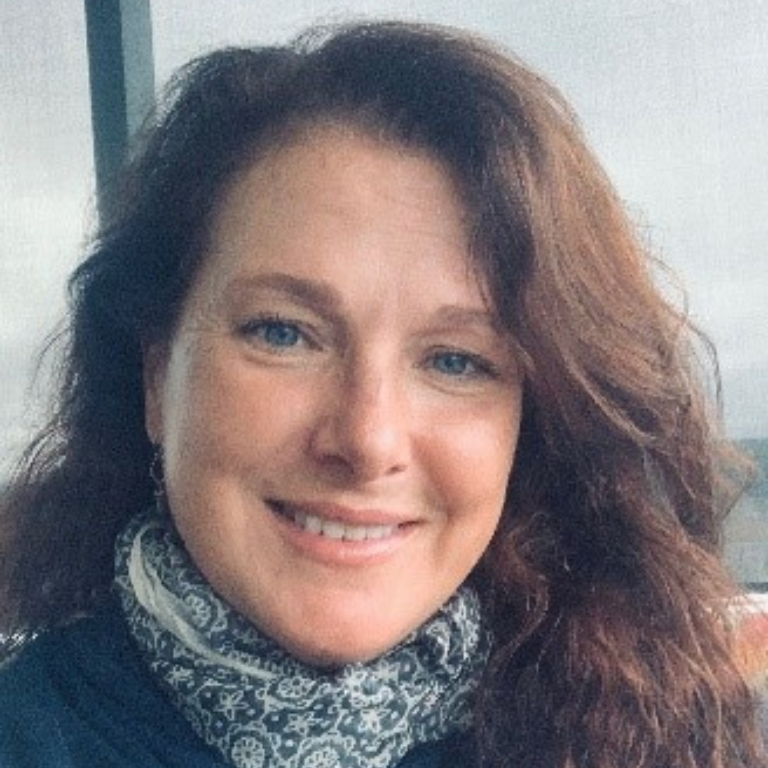
- Speaker, 2026 Conference on Metastatic Breast Cancer
- Speaker, 2023 Conference on Metastatic Breast Cancer
- Founder and director of the Young Women’s Breast Cancer Clinic at the University of Colorado Cancer Center
- Oversees research trials focused on breast cancer in young women
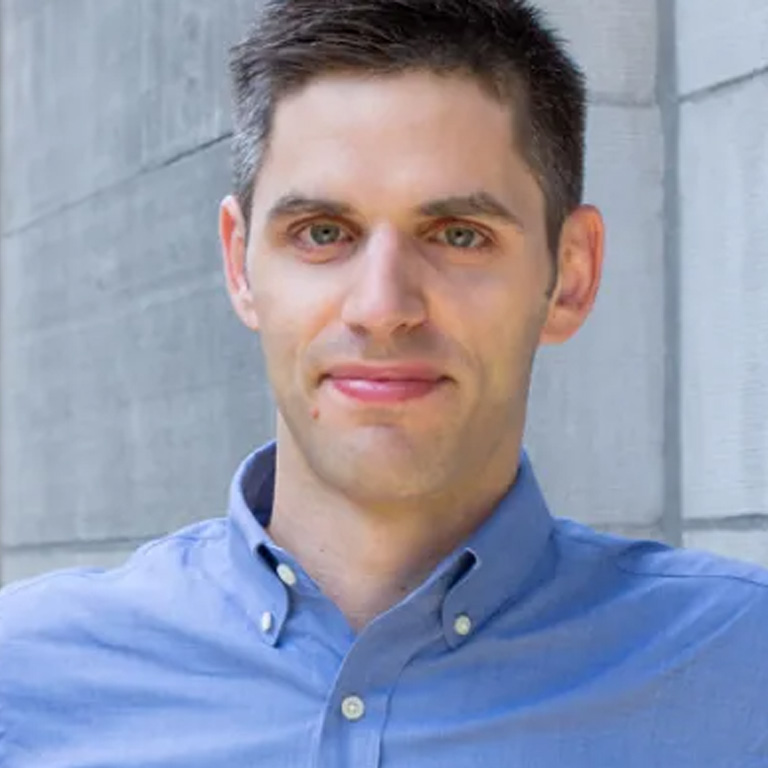
- Speaker, 2026 Conference on Metastatic Breast Cancer
- Chair, ASCO Breast Cancer Education Track for the 2026 Annual Meeting
Tagged:

Living Beyond Breast Cancer is a national nonprofit organization that seeks to create a world that understands there is more than one way to have breast cancer. To fulfill its mission of providing trusted information and a community of support to those impacted by the disease, Living Beyond Breast Cancer offers on-demand emotional, practical, and evidence-based content. For over 30 years, the organization has remained committed to creating a culture of acceptance — where sharing the diversity of the lived experience of breast cancer fosters self-advocacy and hope. For more information, learn more about our programs and services.