
Lighting a path from survival to healing after breast cancer
My story isn’t just about surviving breast cancer. It’s about the transformation that happens when the life you knew no longer fits.
- 01/23/26
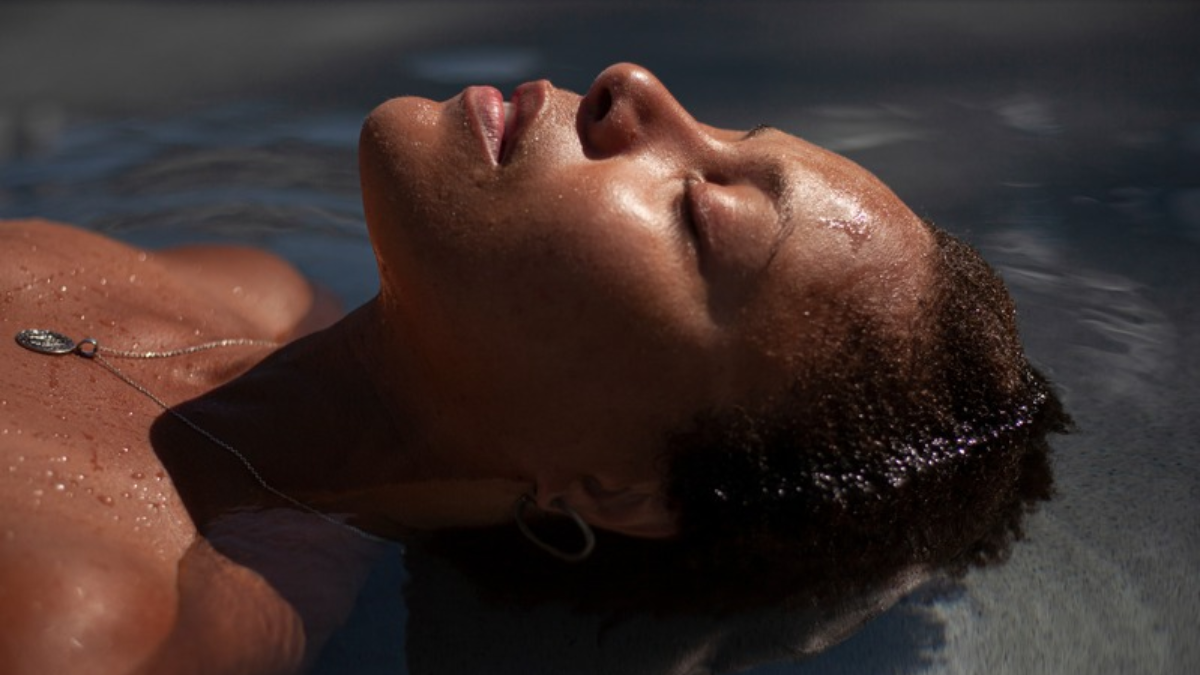
Before cancer, I was a master of pushing through. A lifelong perfectionist, I was rewarded for my ability to say yes, to perform, to make things happen no matter the hour or the cost.
As an executive assistant, my days were built around anticipation and execution: early-morning workouts, late-night calls, flights booked on the fly, problems solved before anyone knew they existed. I wore my reliability like armor. Saying yes was reflexive. Rest felt indulgent. And worth, for a long time, was something I earned by being useful, impressive, indispensable.
A crack in the foundation
When I was diagnosed with stage III ER+/HER2- invasive ductal carcinoma at age 38, everything collapsed at once. This wasn’t a slow unraveling; it was a tower moment. The kind that hits like a tidal wave and leaves no part of your life untouched. The future I assumed was solid was swept away with a single mention of the word cancer. The body I trusted became unfamiliar overnight. The identity I had built — capable, composed, dependable — cracked under the weight of a truth I couldn’t outrun.
Work stopped. Life narrowed to scans, appointments, decisions I never imagined having to make. The momentum I had relied on for decades disappeared, replaced by long stretches of waiting and a terrifying stillness. I could no longer perform my way through fear or organize my way back to control. Survival, as I had practiced it, failed me.
And in that collapse, something else surfaced. Without the armor of productivity or perfection, I was forced to confront a deeper truth: I had been living in survival mode long before cancer. The diagnosis didn’t create the rupture — it exposed it.
My providers guided me through the clinical path forward: chemotherapy, a unilateral mastectomy with reconstruction, radiation, and hormone therapy to treat my breast cancer. I trusted their expertise, and I followed the protocol. But alongside that, something else began to awaken— a quieter, deeper knowing. For what felt like the first time in my life, I started making choices based not on endurance or approval, but on what I felt in my body to be right. I started to choose me and trust my voice.
I worked closely with my healthcare team, but my care became a collaboration I had to actively lead and protect. I stayed deeply involved, informed, and engaged by asking questions, seeking clarity, and listening closely to my intuition. Healing, I learned, wasn’t passive. It required presence.
Presence of mind and body
As a young, health-conscious woman without genetic markers, at times I felt dismissed or questioned for wanting to understand the “why” behind my care. One of the first changes I made was giving up alcohol. During chemotherapy, I was constantly asking what I could do to support my body — how to replace what treatment was stripping away, how to protect my long-term health.
What confused me was the contradiction. In the same conversations where I was advised against basic supplements I had been taking as tea, I was told that alcohol was fine. Knowing that alcohol increases breast cancer risk, this didn’t sit right with me. That disconnect became a turning point. It taught me that I couldn’t outsource discernment. I had to trust myself.
There were moments of deep support from individual providers who respected my desire to blend traditional and integrative approaches. And there were moments when I had to advocate fiercely just to be heard. Both experiences shaped me.
I also pursued less conventional treatment, including proton radiation. Given my age and my goals for long-term health, I felt confident it offered better outcomes for my body. Because it isn’t considered standard of care, I had to fight my insurance company for months. Five months later, they were required to cover it. I know not everyone has that option. But that experience reinforced something essential: If there’s a path you want more information about, ask. You are allowed to choose what aligns with your body and your future.
My decisions were guided not only by science, but by alignment with what felt sustainable, protective, and true. I sought second opinions. I prioritized quality of life, hormonal balance, and prevention.
My doctors treated the dis-ease, but I had to take ownership of the healing. And that meant looking beyond the body, into the patterns that had shaped how I moved through the world long before cancer arrived.
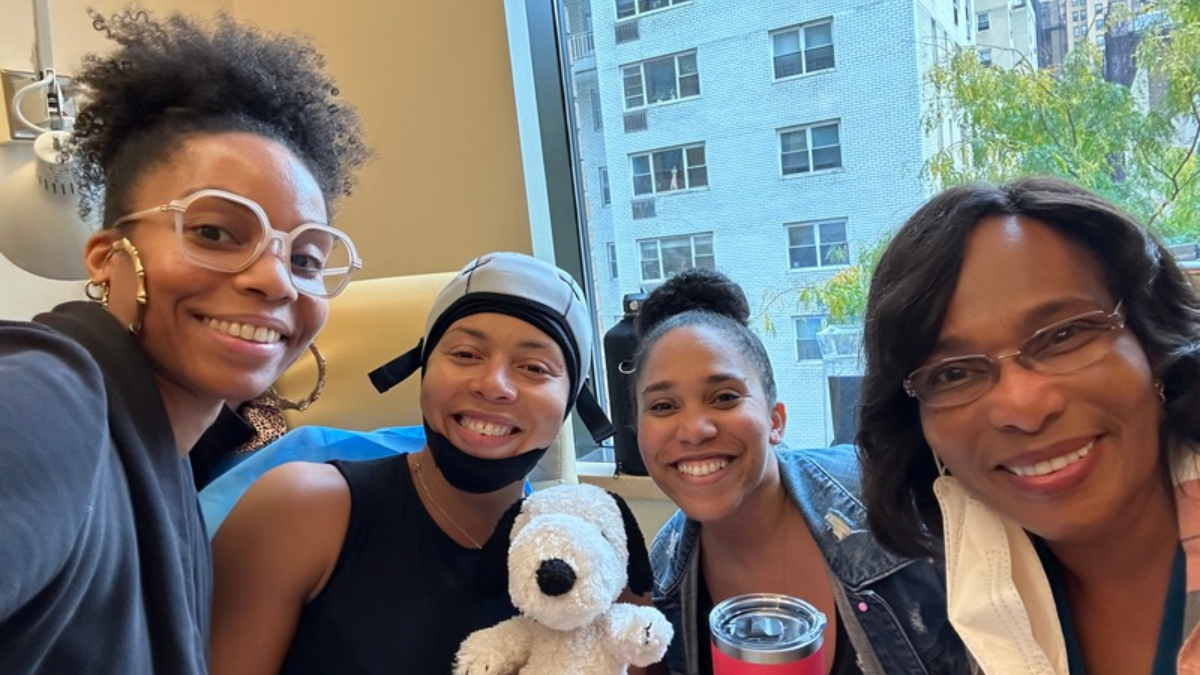
A sense of self without sacrifice
I grew up in a single-parent household, where responsibility came early and being capable was a kind of currency. Somewhere along the way, I absorbed the belief that if I was perfect, composed, high-functioning, and dependable, I would be worthy. That belief followed me into adulthood, quietly informing the relationships I chose and the work I said yes to. I gravitated toward places where excellence was praised, where perfectionism was rewarded, where my ability to endure was seen as strength.
And for a long time, it worked. I was a high achiever. There is nothing wrong with ambition or discipline, until they require you to abandon yourself. Until worth becomes conditional. Until your nervous system lives in a state of constant vigilance, mistaking performance for belonging.
Cancer stripped away the illusion that I could organize my way out of pain or prove my way into peace. It showed me, with startling clarity, that I no longer wanted to welcome chaos just so I could be the one to make order out of it. I didn’t want to survive by sacrifice anymore.
Healing asked something different of me. It asked me to stop betraying myself in the name of being needed. To recognize that no job, no role, no relationship — no matter how meaningful — could ever come before my own well-being again. Not my body. Not my truth. Not my life.
That was the deeper work. And it was mine to do.
Throughout treatment, I lost more than a breast. I lost the identity I had built around perfection, control, and relentless resilience. And in that loss, space opened. I began to slow down and to question, to unravel the choices I had been making on autopilot, and to live differently, with intention. From there, I began to rebuild.
Healing through movement and reflection
The hardest part wasn’t treatment. It was what came after. When the appointments ended and the noise fell away, I was called quietly, unmistakably to the ledger of my own life. Not a tally of accomplishments or survival, but a reckoning of how I had lived, what I had chosen, and what I had abandoned along the way.
During chemotherapy, I began to walk. Not for fitness. For truth. Mile after mile, I spoke my thoughts into the air, dictated fragments of knowing, carried them home and set them down on the page. I wrote as if my life depended on it. Because in some way, it did.
Each step loosened something. Each sentence stripped away another illusion. The ledger opened, and it asked me questions I could no longer avoid: Am I happy? Why am I not happy? What have I been choosing and why? What am I still carrying that no longer belongs to me? What am I willing to
release? And if I stop living in endurance, what might finally be possible?
This was not reflection. It was inventory. A sacred accounting. And once it began, there was no closing the book without answering honestly.
I knew I would have to return to the world after treatment. But I also knew I couldn’t return unchanged. Cancer forced me to face my deepest fears, the parts of myself I had silenced, and the truth that healing doesn’t happen through resistance. It happens through surrender. When the hospital visits slowed and the noise quieted, space opened. I found myself standing in a silence I didn’t yet know how to fill and that’s where the real healing began.
Writing a new story
Writing became my lifeline, a place to process grief, confusion, and the strange beauty of starting over. Over time, those journal entries became Lighthouse: The Path Through Cancer, The Power of Becoming, my memoir about unraveling, recalibrating, and ultimately reclaiming my light.
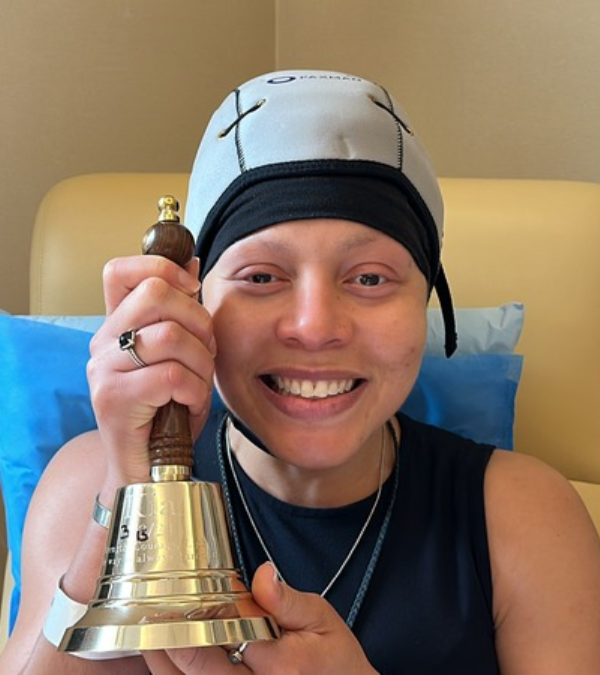
Today, my work lives where story and healing meet. I write to give voice to the parts of this journey that so often go unnamed — the emotions that surface when treatment ends, when the bell is rung, when the world expects you to be grateful, strong, and ready to return to who you were before. Through writing, I help other women return to themselves. To remember that healing isn’t about going back, but about learning how to carry who you’ve become.
I share my story because so many women believe the hardest part of cancer is survival. But the truth is, it’s what comes after. When the appointments stop, the team disperses, and the quiet settles in. The grief. The disorientation. The slow, private work of rebuilding a life that no longer fits the old shape. That is where power is found. Not in erasing what was lost, but in honoring what has been revealed. We are not broken by what we lose. We are revealed.
If no one has told you this yet, let me say it clearly: What you feel after cancer makes sense. The disorientation. The grief. What follows survival is not weakness, it is initiation.
You are not meant to go back. You are here to choose differently — with the clarity you’ve earned; with the lessons your body has taught you; with the awareness that came only through walking this path. Healing unfolds as you listen and then as you begin again, consciously, intentionally, on your own terms.
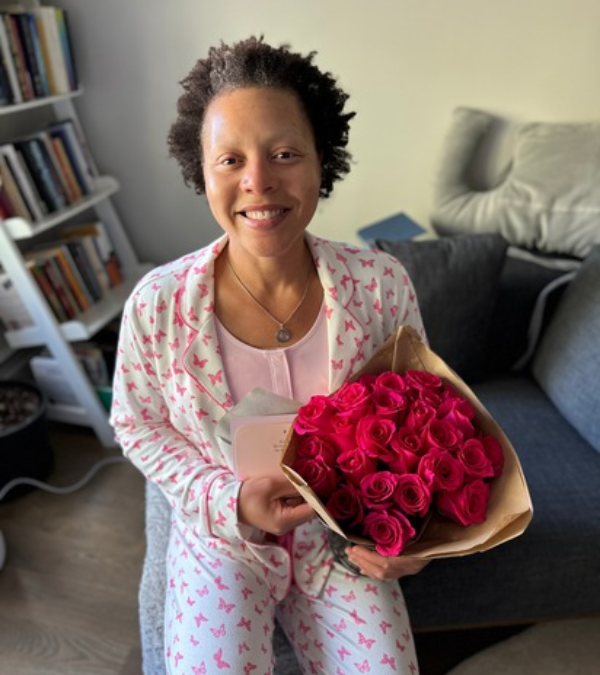
If you find yourself standing in the after, holding more questions than answers, know this: You are not alone, and you are not broken. You are being invited to build a life that reflects who you are now: aligned, awake, and self-honoring. There is light here. Not behind you, but ahead. And you get to create what comes next.
DISCLAIMER:
The views and opinions of our bloggers represent the views and opinions of the bloggers alone and not those of Living Beyond Breast Cancer. Also understand that Living Beyond Breast Cancer does not medically review any information or content contained on, or distributed through, its blog and therefore does not endorse the accuracy or reliability of any such information or content. Through our blog, we merely seek to give individuals creative freedom to tell their stories. It is not a substitute for professional counseling or medical advice.
Stay connected
Sign up to receive emotional support, medical insight, personal stories, and more, delivered to your inbox weekly.

Living Beyond Breast Cancer is a national nonprofit organization that seeks to create a world that understands there is more than one way to have breast cancer. To fulfill its mission of providing trusted information and a community of support to those impacted by the disease, Living Beyond Breast Cancer offers on-demand emotional, practical, and evidence-based content. For over 30 years, the organization has remained committed to creating a culture of acceptance — where sharing the diversity of the lived experience of breast cancer fosters self-advocacy and hope. For more information, learn more about our programs and services.