Blogs > Finding words for the unexpected: Allison Sweet Grant reflects on breast cancer

Finding words for the unexpected: Allison Sweet Grant reflects on breast cancer

image_row
A woman's hands write in a notebook propped by a laptop computer.
general_content

Allison, a mother of three children, was 40 years old when she was diagnosed with triple-positive breast cancer, just a couple months into the COVID-19 pandemic. Her treatment included surgery, chemotherapy, and radiation therapy.

Even with her background as a former psychiatric nurse practitioner, there were aspects of the experience she couldn’t have anticipated. From the physical side effects to the complicated emotions and everyday moments that can take on unexpected significance, Allison found herself navigating feelings that weren’t always easy to understand or explain. Through writing, she chose to explore the intimate things that can come with being a person living with breast cancer.

Finding words for feelings left unspoken

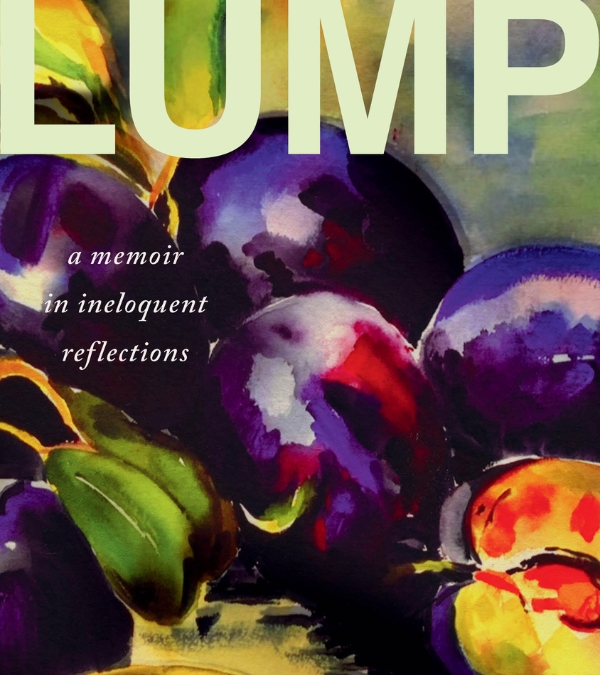
She would later publish her experiences in LUMP: a memoir in ineloquent reflections, a collection of short pieces of writing about the personal and sometimes difficult-to-describe realities she went through living with breast cancer.

As a self-described private person, Allison admits, “I certainly didn’t sit down and plan to write a book about cancer.” Even so, writing had been a creative outlet for Allison since she was a child. She says it’s always given her a way to sort out her feelings. Publishing wasn’t new to Allison either. Before LUMP, she’d written and co-written books and essays for children and adults.

When she finished treatment, writing gave Allison the time and perspective to look at each part of her experience “with empathy, in [her] own way, and in [her] own words.”

Because “when you’re going through [treatment],” she says, “there’s little time for anything else. A lot of emotions get pushed aside.”

Reflecting on the little things

Allison remembers a time before she found a lump in her breast, when a lump made her think of comforting things, like a lump of sugar in a cup of tea.

She recalls conversations and things she heard and thought and felt: The sound her paper gown made when she shifted on an exam table. The brain fog that made it hard to remember the punchline of a joke.

The process of writing offered Allison a way to reflect on those things: “Writing about standing in the shower, feeling the hair come out in clumps as it washed down my back, helped me understand the nuanced emotions that come with things that seem really little in the grand scheme of things.”

She acknowledges that no other book had prepared her for those seemingly small things that “to the person experiencing them,” she explains, “are huge.”


image_row
Allison Sweet Grant
The cover for Lump, a book by Allison Sweet Grant
general_content

Photo Credit: Abbe Forman

general_content

No bookmark required

Allison bought — and was given — many books about cancer when she was diagnosed that she says were helpful in different ways. She discovered during treatment, though, that side effects of chemotherapy and radiation therapy made reading anything long or involved a challenge for her.

She found it difficult to focus. “I could not read a 500-page book. Sometimes I couldn’t even read a chapter.”

Her own difficulty concentrating during treatment influenced the way she approached her writing. She could write a collection of a few distinct lines, a stanza, a mini-play, a review. As a lifelong poet, writing in that format felt natural to her.

Allison wanted readers to be able read “bite-sized” pieces in small chunks of time. It was important to her to make it easy to put the book down when they’ve had enough and come back to it later without having to remember where they’d left off.

Honesty, connection, and permission

Allison wanted to be honest about experiences and feelings that often go unspoken, but she also recognizes that many people with cancer find motivational support — “You’ve got this! You can do it!” — invaluable while undergoing the challenges of treatment. But her goal wasn’t necessarily to deliver a pep talk; it was to help readers feel less alone.

“I wanted to give people permission to feel the whole mix of emotions that can bubble up.” She continues, “There are so many of them. And our feelings can be conflicting and overwhelming and confusing.”

An alternate use (13 ounces)

Allison also finds room for humor. Sometimes, the thing a person affected by breast cancer really wants is a way to express frustration or anger: “If that’s the case,” she explains, “you don’t need my permission to turn this book into a projectile. It weighs exactly 13 ounces and will make a lovely noise as it hits the wall.”

disclaimer_box

DISCLAIMER:
The views and opinions of our bloggers represent the views and opinions of the bloggers alone and not those of Living Beyond Breast Cancer. Also understand that Living Beyond Breast Cancer does not medically review any information or content contained on, or distributed through, its blog and therefore does not endorse the accuracy or reliability of any such information or content. Through our blog, we merely seek to give individuals creative freedom to tell their stories. It is not a substitute for professional counseling or medical advice.

callout
A woman writes in a journal at a rustic table outdoors.

Writing as therapy

Writing as therapy

Writing used to release or understand emotions, to work through something difficult (like breast cancer treatment) is called expressive writing—research has shown that it’s especially helpful for people who’ve finished active treatment.

Learn more about expressive writing and other kinds of complementary therapy.

related_resources_article_carousel

Related resources

callout
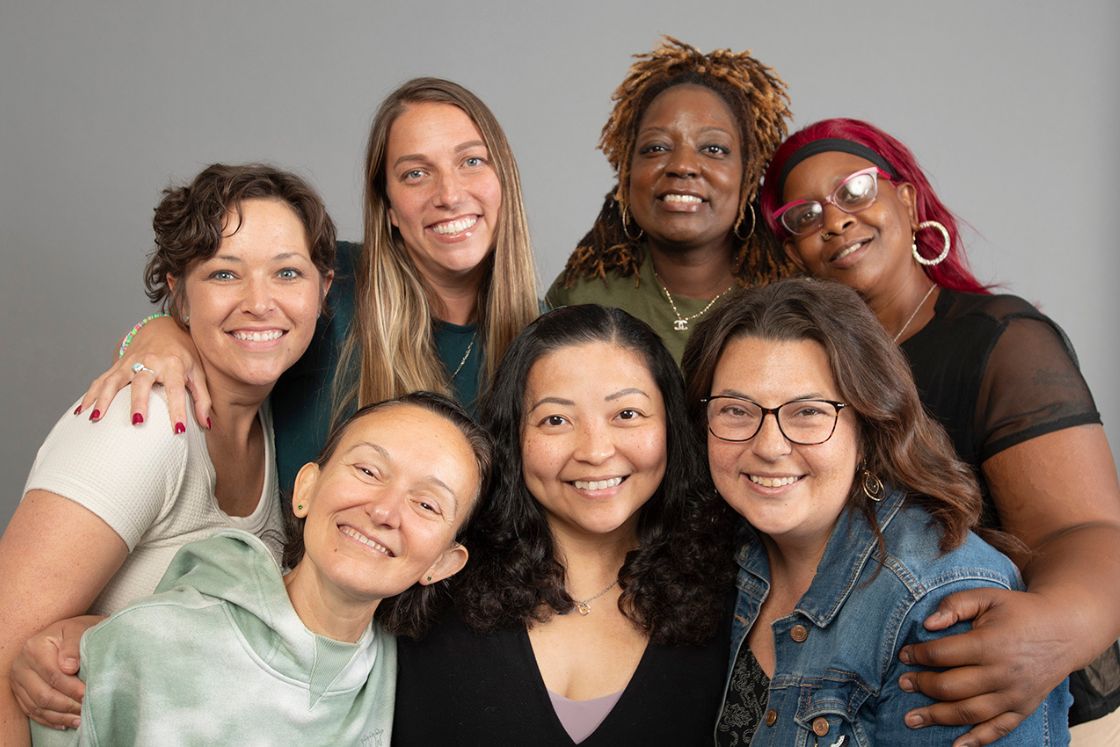
A group of diverse women, all who have metastatic breast cancer, hug and ham it up.

Lift up more voices

Personal stories can help people with breast cancer feel supported in ways that medical facts sometimes can’t. Support LBBC’s work to share lived experiences like Allison’s alongside trusted breast cancer information and free support resources.

Make a monthly gift here
stay_connected

Stay connected

Sign up to receive emotional support, medical insight, personal stories, and more, delivered to your inbox weekly.