
Bone health
- Medical Review: Kayla Kalbacken, RN, MSN, CES
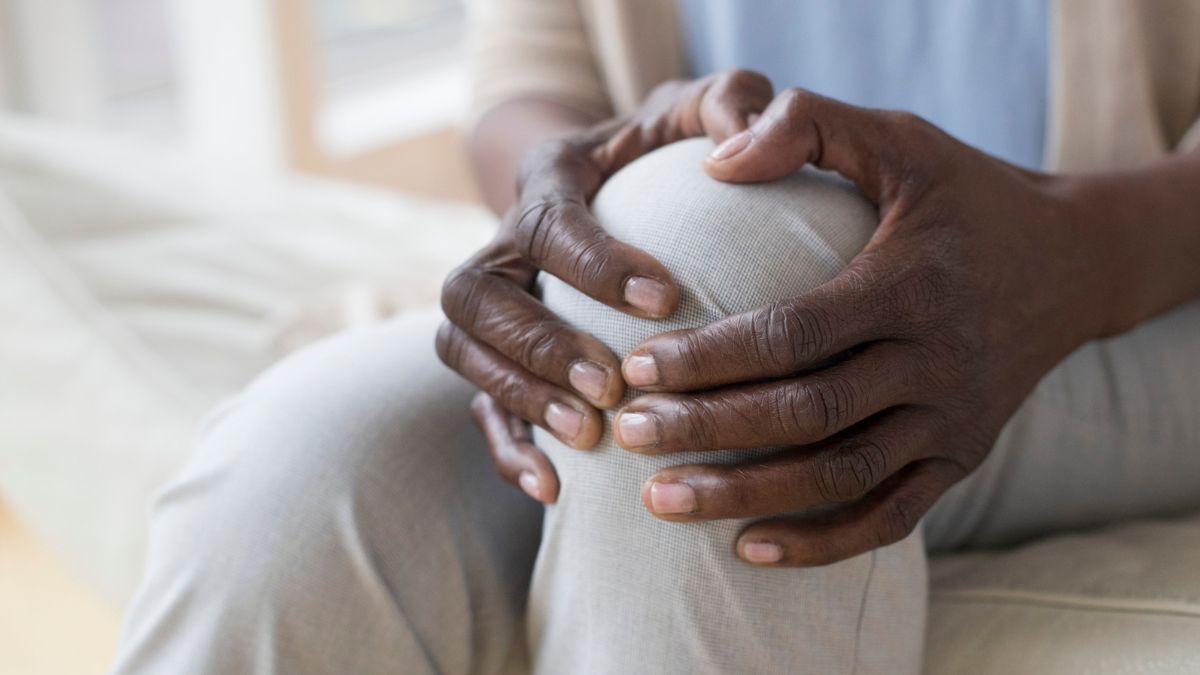
Keeping your bones healthy and strong requires more attention as you age. The hormone estrogen is important for keeping bones stable and healthy.
There are many ways to help keep your bones healthy during and after breast cancer treatment. Below, we’ll explain how bones change as you age, how bone loss can happen, and risk factors for bone loss.
What is bone mineral density?
Bone mineral density is a measure of minerals, such as calcium, in the bones. Bones that contain more minerals are stronger and less likely to break.
Bones are living tissue. Your body is constantly breaking down aging bone and creating new bone tissue to replace it.
Your body has three main types of cells that control bone mineral density:
- Osteoclasts, which break bones down
- Osteoblasts, which rebuild and repair bones
- Osteocytes, which are mature osteoblast cells inside the bone; most of our bone cells are osteocytes
When you are young, osteoblasts rebuild bone faster than it’s broken down, so your bones become strong and dense. But as you age, osteoblasts work more slowly, and your bones may become less dense. This is called bone thinning or bone loss.
Bone loss
For children and young adults, bones are built faster than they are broken down, allowing bones to grow denser and stronger. Bones are less likely to break or fracture.
But after age 30, the rebuilding process slows, and the cells that rebuild bones cannot keep up with the ones that break them down. This lowers bone density and the bones themselves become weaker. This gradual weakening is called bone loss.
Bone loss can lead to conditions called osteopenia and osteoporosis.
Osteopenia
Bone density that’s lower than normal is called osteopenia.
- Osteopenia usually does not have symptoms.
- Having osteopenia does not always mean your bones will fracture easily.
Osteoporosis
Osteoporosis means bone density is very low — lower than in osteopenia. Osteoporosis may not have any symptoms until a fracture happens.
- Bones can be brittle and more likely to break.
- A person who has never had a bone mineral density test may not know they have osteoporosis until they have a fracture.
- In postmenopausal women and in men, osteoporosis is the main cause of bone fractures.
- Fractures related to osteoporosis are most common in:
- Bones in the spine (vertebrae); this can cause back pain, a stoop or hunched posture, or a loss of height
- The hip bones
- Bones in the wrist
Women are at higher risk for osteoporosis than men, especially after menopause (when a woman has not had a menstrual period for 12 months). That’s because estrogen helps maintain bone density. When estrogen levels drop after menopause, bone loss can accelerate, sometimes leading to osteoporosis.
It’s important to know that there are lifestyle changes and medicines that can help improve bone density.
DEXA scans to check for bone loss
Bone density can be measured using a dual x-ray absorptiometry, or DEXA, scan. A DEXA scan uses low-dose x-rays to compare your bone density to that of a healthy young adult (typically a 20- to 30-year-old).
Who gets DEXA scans?
DEXA scans are usually recommended for:
- Women age 65 and older
- Women age 50–64 who have certain risk factors, such as:
- A parent with a history of hip fractures
- Low body weight
- Taking breast cancer treatments that can cause bone loss
DEXA scans may also be recommended for men being treated for breast cancer, depending on their treatments and individual risk factors.
A DEXA scan takes about 20 minutes. For this test, you’ll lie down on a table, and a technician will move a scanner over your body to capture images of your bones.
Your care team usually gets your results within a few days to a week and will review them with you.
Understanding DEXA scan results
DEXA scan results are usually listed as a T-score or a Z-score.
T-score
T-scores are for women who’ve gone through menopause or men over 50. Here’s what the scores mean:
- –1.0 or above: normal bone density
- Between –1.0 and –2.4: low bone density (osteopenia)
- –2.5 or lower: osteoporosis
Z-score
Z-scores are for premenopausal women or men under 50.
A Z-score of –2.0 or less means bone density is lower than average for your age and may suggest osteoporosis or another cause of bone loss, such as certain medicines or health conditions.
Bone loss risk factors
Everyone experiences some bone loss as they age. But there are factors that may increase the risk of osteoporosis. You have a higher risk for bone loss if you:
- Are female
- Are thin or have a small frame
- Have osteoporosis in your family history
- Do not exercise regularly
- Had your periods interrupted by treatments or started menopause early
- Do not get enough calcium or vitamin D in the foods you eat
- Smoke
- Regularly consume alcohol. This can weaken bones and raise cancer risk. Drinking three or more drinks a day increases the risk of bone loss and fractures, and even one drink a day may increase the risk of breast cancer. What is less clear: how lower levels of drinking affect bone health. It is safest to limit alcohol and talk with your care team about what’s right for you.
- Have or had an eating disorder, problems with your metabolism or any condition that affects the way your body absorbs vitamins
- Have taken steroids, certain breast cancer treatments, or other bone density-reducing medicines over a long period of time. Ask your doctors if any of your medicines have bone loss as a side effect.
- Have metastatic breast cancer that has spread to the bones
Some factors — such as genetics or recommended cancer treatments — cannot be changed. But focusing on what you can control, such as eating well, exercising, and avoiding smoking, can improve bone health and lower your risk.
Breast cancer treatment and bone loss
Estrogen plays an important role in keeping bones strong. It slows bone breakdown and supports bone rebuilding. Treatments for hormone receptor-positive breast cancer that lower or block estrogen can increase bone loss.
These treatments can include:
- Chemotherapy, which can damage the ovaries and reduce estrogen levels
- Hormonal therapy (also called endocrine therapy), such as aromatase inhibitors or ovarian-suppressing medicines
Talk with your care team about how breast cancer treatment may affect your risk for developing osteoporosis and whether you should have a bone mineral density scan.
Risk-reducing ovary removal and bone loss
Some premenopausal women at high risk for breast cancer — especially those with inherited BRCA gene mutations — may discuss surgery to remove the ovaries (oophorectomy) as a way to lower breast cancer risk.
If you are considering risk-reducing oophorectomy, it’s important to know that:
- This procedure greatly reduces estrogen production in the body before it would naturally happen, causing immediate early menopause.
- Having an oophorectomy before natural menopause increases the risk of osteoporosis.
Treatment-related bone and joint pain
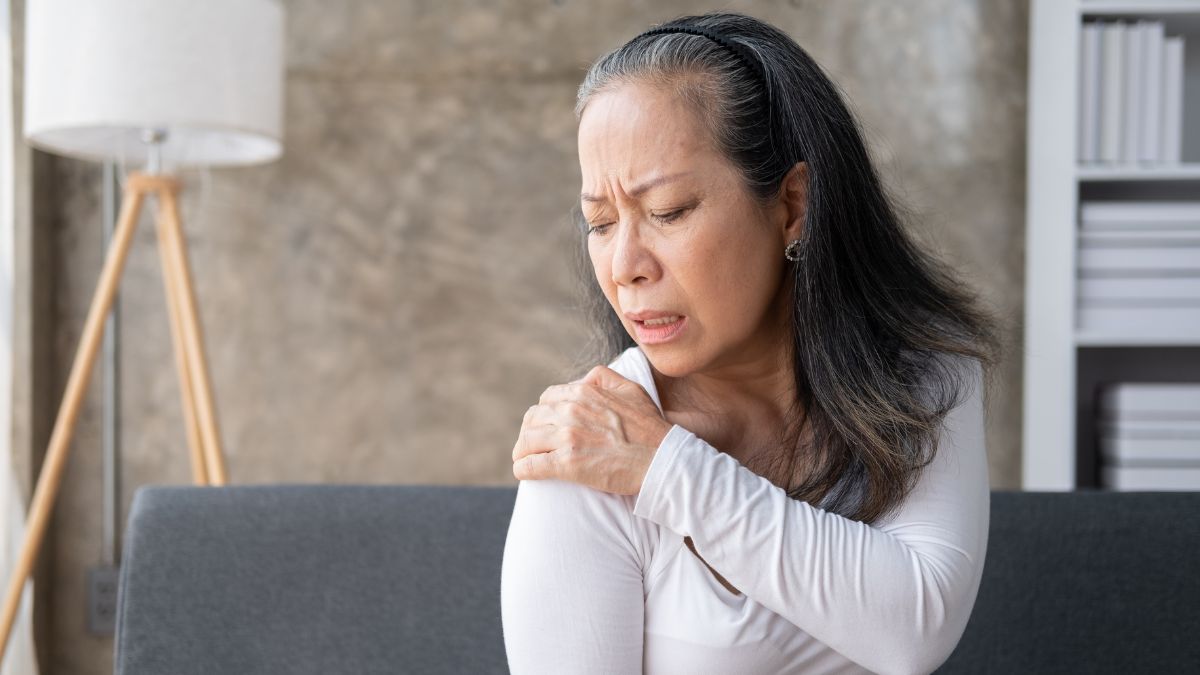
Bone loss can sometimes cause bone pain due tiny fractures in weakened bone. A fracture near a joint can also cause joint inflammation and pain.
However, bone or joint pain doesn’t always mean bone loss. Some breast cancer treatments — especially aromatase inhibitors — can cause bone and joint pain even without bone loss.
If you experience pain, tell your care team and describe your symptoms in detail. They can help determine the cause and suggest ways to manage it. Visit Bone and joint pain to learn more.
Metastatic breast cancer in the bones
Breast cancer that spreads to the bones (bone metastasis) can weaken bones and increase the risk of fractures.
There are several ways to protect your bones and improve movement and strength, including:
- Medicines to protect bones, such as bisphosphonates or denosumab
- A diet that includes calcium-containing foods, such as salmon, broccoli, spinach, and yogurt
- An exercise program guided by your care team, a physical therapist, or a cancer exercise specialist trained in helping people diagnosed with cancer
Exercise has been shown to improve quality of life in people with metastatic breast cancer. Learn more about exercise and metastatic breast cancer.
How to protect your bones
There are many ways to protect and strengthen your bones, including:
- Eating foods that contain calcium, such as yogurt, fish, and green leafy vegetables
- Getting enough vitamin D; ask your care team about getting your vitamin D levels checked
- Doing weight-bearing exercises, such as walking, strength training, stair climbing, or dancing. If you have been diagnosed with osteopenia or osteoporosis, always consult with your doctor before starting an exercise program. While there are many exercises you can do safely, some, such as running, jumping, or twisting, can increase the risk of fractures in people with low bone density.
- Avoiding smoking
- Limiting alcohol
- If recommended, taking medicines to protect your bones
Talk with your care team about all the bone-protecting steps they recommend for your individual risk and situation.
If you have been diagnosed with osteopenia or osteoporosis, also focus on preventing falls to reduce the risk of fractures.
Avoiding falls and fractures
For people with osteopenia or osteoporosis, bones can fracture more easily when falling down. Falls can happen for many reasons, such as:
- Bumping into something
- Losing your balance
- Carrying more weight than your bones can handle
There are ways to reduce the risk of falls, collisions, and other physical impacts that could result in a fracture.
You can reduce your fall risk by:
- Doing weight-bearing and balance exercises (such as walking, stair climbing, or gardening)
- Asking your care team about a safe exercise plan
- Seeing a physical therapist or cancer-certified exercise trainer
Other helpful fall-prevention tips:
- Make sure you have good lighting and easy access to light switches
- Keep floors free of clutter
- Avoid slippery surfaces; walk on grass if sidewalks are icy
- Wear supportive shoes with rubber soles
- Have regular eye exams, since clear vision helps prevent trips and falls
If you notice new balance issues or changes in how you walk, let your care team know. These can sometimes be caused by medical conditions or medications.
Learn more about keeping your bones strong
Visit Improving bone health and Medicines to protect bones for more information.
Stay connected
Sign up to receive emotional support, medical insight, personal stories, and more, delivered to your inbox weekly.
Reviewed and updated: October 28, 2025
Reviewed by: Kayla Kalbacken, RN, MSN, CES
Tagged:

Living Beyond Breast Cancer is a national nonprofit organization that seeks to create a world that understands there is more than one way to have breast cancer. To fulfill its mission of providing trusted information and a community of support to those impacted by the disease, Living Beyond Breast Cancer offers on-demand emotional, practical, and evidence-based content. For over 30 years, the organization has remained committed to creating a culture of acceptance — where sharing the diversity of the lived experience of breast cancer fosters self-advocacy and hope. For more information, learn more about our programs and services.