
Changemakers:
Advocates
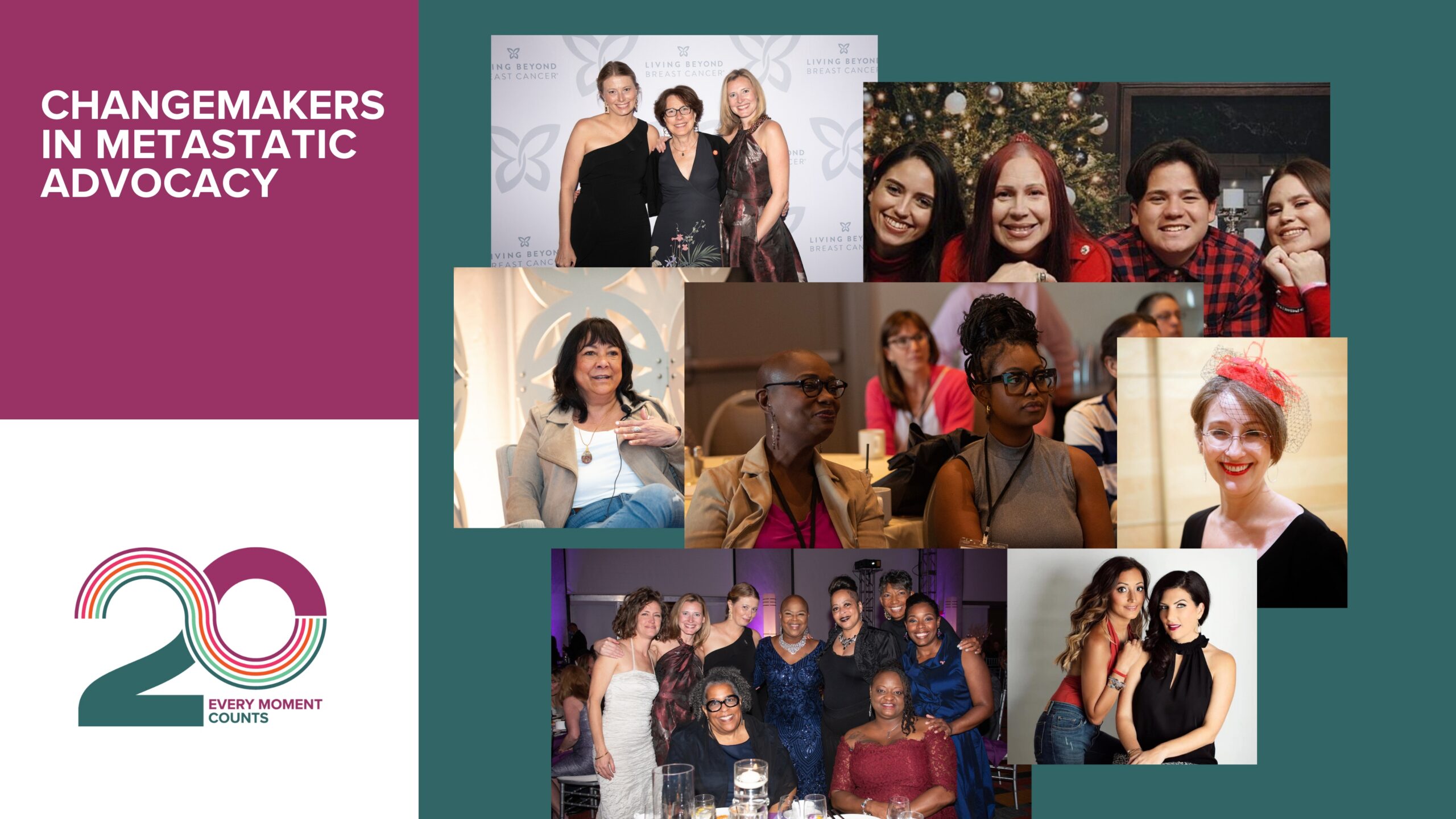
Join us in celebrating just a few of the remarkable changemakers who built on their advocacy work at LBBC and went on to have an outsized impact on the community. We hope their stories inspire you to make every moment count.
Celebrating 20 years of people, progress, and connection at the Conference on Metastatic Breast Cancer
Twenty years ago, metastatic breast cancer (MBC) was not something people talked about. Stage IV was referred to as “advanced breast cancer” and represented a fearful, lonely place.
While other groups focused predominantly on early-stage breast cancer, Living Beyond Breast Cancer leaned into difficult conversations. That early work laid the foundation for our Conference on Metastatic Breast Cancer, now the longest consecutively running and most well-attended of its kind in the U.S., with more than 10,000 attendees over two decades. People with MBC have found connection, information, and support in this space for 20 years.
To celebrate the 20th anniversary of Living Beyond Breast Cancer’s Conference on Metastatic Breast Cancer, we want to recognize a few of the highlights, shared history, and remarkable changemakers that have had an outsized impact on the metastatic community. We hope these stories inspire you to make every moment count.
Following LBBC’s founding in 1991, we sensed that urgent needs among the metastatic community weren’t being met. In 2005, we conducted the first survey to understand people living with MBC and received nearly 700 responses. Elyse Spatz Caplan, director of educational programs and partnerships at the time, says: “It was clear from our survey that people with metastatic disease felt alienated, isolated, and alone.” Janine Guglielmino, former vice president for mission delivery, remembers, “They had a deep desire to connect with one another in person, to share stories and talk about really hard things.”
LBBC Chief Executive Officer Jean Sachs adds that there was a “desperate need for reliable medical information.” LBBC published the survey results, a white paper known as Silent Voices, for the entire breast cancer community and presented them at the San Antonio Breast Cancer Symposium (SABCS) in 2006. “We had all this data that no one else had. We felt obligated to share it” with anyone who could contribute solutions, says Elyse.
In 2007, LBBC stepped up to the challenge and held the first in-person conference on metastatic disease with about 100 participants. Attendees ranged from those in wheelchairs with oxygen to the newly diagnosed. Jean notes, “We had to build a pace that worked for people’s lives — starting later in morning, providing more breaks and extra hydration.” Elyse emphasizes that LBBC did not want cost to be a barrier to attendance, so fundraising for travel grants began with the very first conference. Partners and caregivers were always welcome, and specific breakouts for them were added in 2009.
“The positive response was overwhelming,” says Janine, “and the emotion in the room was palpable.” Post-conference surveys included comments such as: “I feel more empowered to beat this disease and to have a long life.” “I am not alone.” “A life-changing conference.”
Elyse says early surveys also showed widespread interest in palliative care information, but no place to find it. LBBC added this to future agendas and created a brochure on the subject. Feedback also highlighted attendees’ desire to participate in conference planning. Therefore, in 2019 the Patient Advisory Committee was added to the planning process for the 2020 conference.
This conference was a wonderful experience for me. I so needed to be in the company of my “sisters” as I have felt completely isolated in these 2 years since diagnosis. There is no support where I live and certainly nothing for stage IV like me.
Jean explains that “around the time of our early metastatic conferences, trastuzumab (Herceptin) was approved by the FDA, which changed everything for people with HER2-positive tumors.” Many other advances followed. Researchers developed increasingly effective tools like biomarker testing to identify specific breast cancer types, allowing for targeted therapy and other more personalized treatments. The community saw the advent of new hormonal therapies, CDK4/6 inhibitors, immunotherapies, antibody drug conjugates, and more, leading to more lines of treatment, longer disease stability, and extended survival for many people with MBC.
As knowledge about breast cancer subtypes grew and treatment algorithms became vastly more complex, LBBC balanced presentations of new clinical information with the supportive information attendees needed. Topics such as self-care, helping children understand cancer, participation in clinical trials, and tools for talking to partners were added. Experiential sessions such as yoga, sound baths, and even a joyous dance party entered the agenda.
I feel more empowered to beat this disease and to have a long life.
Leaders in breast cancer research from prestigious institutions came to speak at early conferences without any honorarium fees. They often stayed to answer questions from long lines of participants who were having their very first opportunity to speak with a specialist in the field. Both Jean and Elyse recall how Julie Gralow, MD — currently chief medical officer and executive vice president of the American Society of Clinical Oncology (ASCO) and founder of the Women’s Empowerment Cancer Advocacy Network — took the red-eye flight from a family vacation near Seattle, showered quickly at the hotel, gave her talk, and flew back. Olufunmilayo I. Olopade, MD, director of the Center for Clinical Cancer Genetics and Global Health at University of Chicago Medicine, flew to Philadelphia directly from work in Africa.
People with MBC also had a fervent commitment to learning and sharing their knowledge. To leverage this passion and expand its impact even farther, LBBC launched Hear My Voice (HMV) metastatic advocacy leadership training in 2015. Thirty-one people from 18 states spent the day before the conference learning about metastatic disease and how to share their personal stories, as well as the larger story of MBC. Since then, hundreds of HMV advocates have reached millions of people across the nation, with a special emphasis on reaching out to people who were traditionally ignored.
Many people recall the year that longtime HMV volunteer Sarita Joy Jordan — who blogged about her experience as a Black woman with metastatic hormone-positive breast cancer — wanted to join the “Learning From Each Other” panel at the end of the conference. Sarita came directly from the hospital with her son, and LBBC provided a motorized wheelchair. She sat on the panel and answered questions, knowing it was one of the last things she would do in her life.
Today, the vibrant, varied community of stage IV advocacy includes numerous champions and organizations that trace their origins back to LBBC’s metastatic conference and HMV training. Jean says: “I’m so proud of the way these people took up the charge and expanded our reach, especially efforts to include everyone, regardless of race, age, ethnicity, gender, gender identity, income, or geography.”
New advocates have taken on issues such as the continuing need for diverse participation in clinical trials, patient-centered dosing, and FDA approval of more than one starting dose for medications. Twenty years ago, very few patient advocates attended SABCS, the world’s largest scientific gathering on breast cancer. In 2026, not only were over 500 patient advocates present, but advocate perspectives were included in every panel.
Catherine Ormerod, former LBBC executive vice president for strategy and mission, emphasizes the role of social media in magnifying the influence of MBC advocates across the nation. Facebook and Twitter were new platforms taking off with the public around the first LBBC metastatic conference. Ardent attendees and HMV alums launched blogs; Facebook pages; Twitter streams; and later, podcasts.
“The isolation of individuals living with MBC was beginning to break down, thanks to the internet’s ability to virtually connect individuals and organizations,” says Catherine. “By 2013, the voices of people living with MBC were silent no more. They communicated their feelings, thoughts, demands and criticisms of available services, research funding levels, and more, via social media.” This not only contributed to improving individual quality of life, “it also informed and enriched the nonprofit services and research communities that served people living with metastatic disease.”
The single most valuable experience was in meeting others and learning from them how to live with the disease.
While the landscape of diagnosis and treatment has changed vastly and continues to evolve, Janine asserts that “LBBC’s commitment never wavers.” When the COVID-19 pandemic forced the last-minute shutdown of the March 2020 conference, LBBC quickly reconfigured the entire event and held it online. Jean points out that the first budget for travel vouchers in 2007 was $5,000; this year it is over $80,000. Nearly 400 people will attend in person, with hundreds more participating via livestream.
The 20th anniversary theme, Every moment counts, honors both the sense of urgency and the gratitude experienced by attendees and staff. As Janine puts it, “It’s not how long you live, but what you can do to find meaning in the time that you have. Living Beyond Breast Cancer has been able to unlock meaning for thousands of people with metastatic breast cancer who might have not been able to find meaning before.”
In the words of HMV advocate Janice Cowden, recognized this year as a Changemaker honoree for her contributions to MBC advocacy, “The connections I’ve made through Living Beyond Breast Cancer and the broader MBC community — especially the close friendships with other patients and advocates — are truly among the greatest gifts I’ve received since my metastatic triple-negative diagnosis. I treasure those relationships deeply. They fuel my passion to stay connected and to keep doing this work, not only for those I’m still fortunate to walk alongside, but also in honor of the dear friends we’ve lost along the way. In the beginning, I did this for myself. Now, having been fortunate to live longer than anyone expected, I do it for them.”
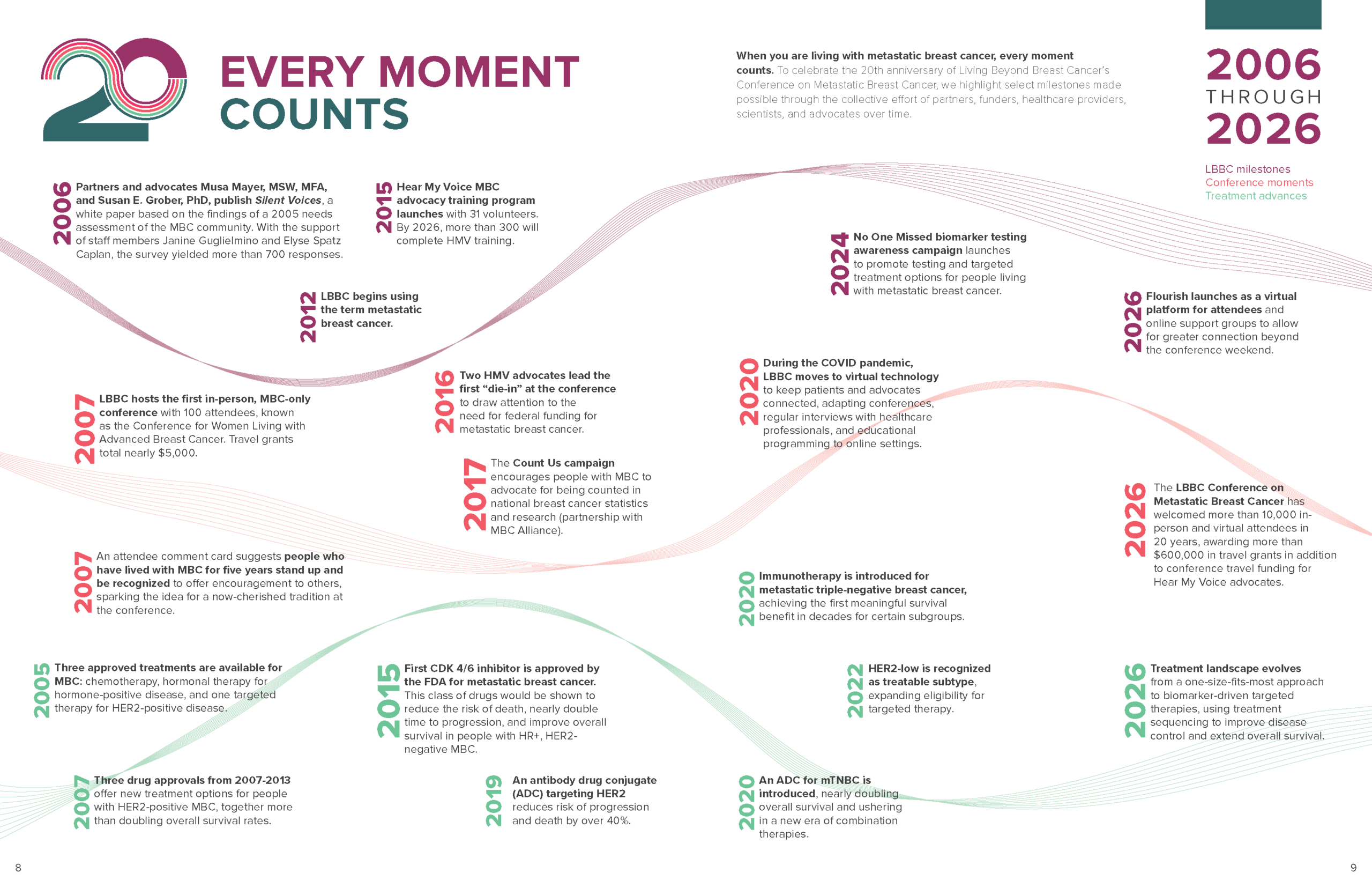
On mobile? Click here to zoom in on the timeline image below.
Changemakers:
Join us in celebrating just a few of the remarkable changemakers who built on their advocacy work at LBBC and went on to have an outsized impact on the community. We hope their stories inspire you to make every moment count.
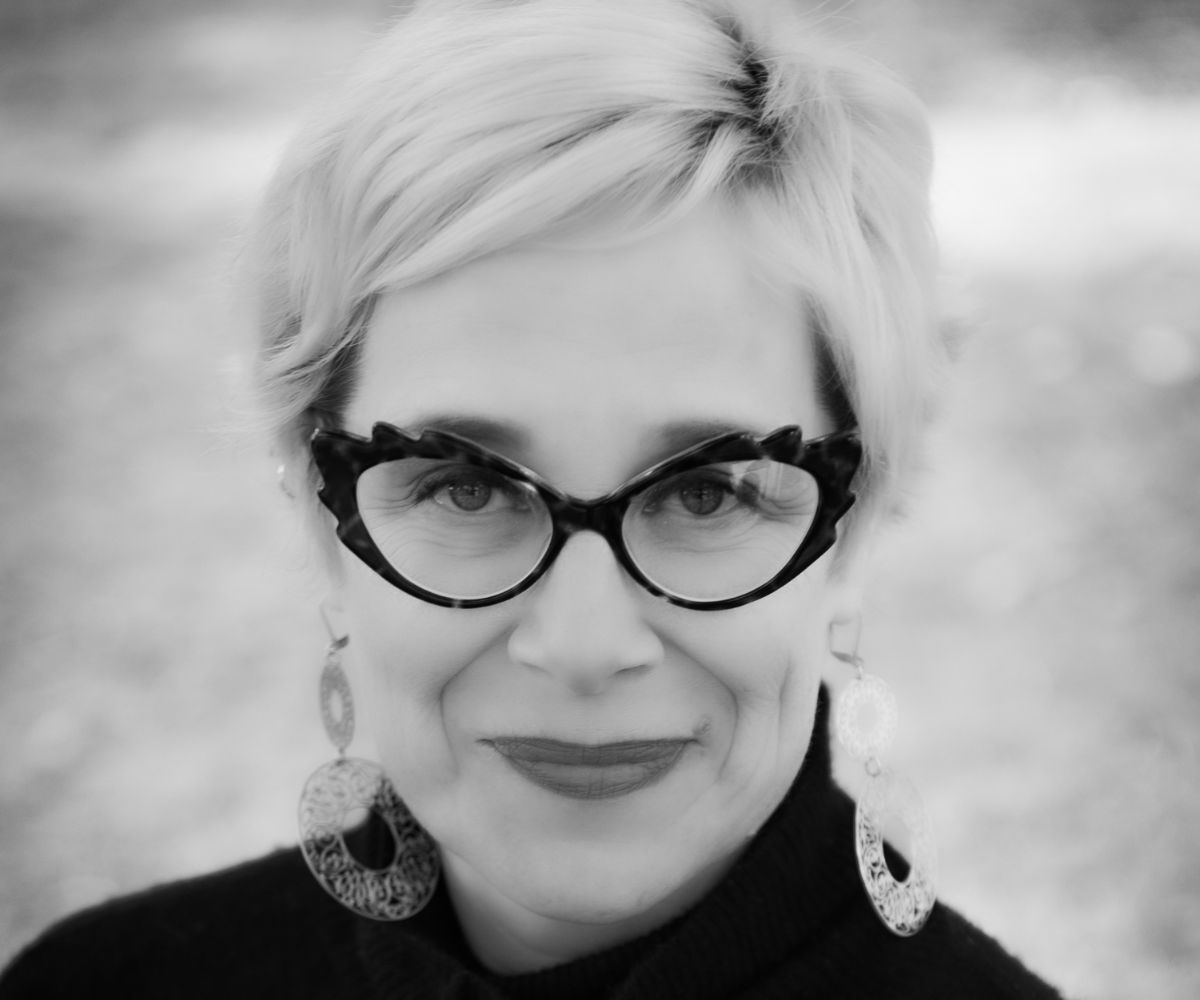
Jenny Burkholder
Helpline Volunteer 2014
Hear My Voice Advocate 2022
Living with MBC since 2019
A writer, English teacher, poet, and yoga instructor, Jenny was first diagnosed soon after her 40th birthday and with MBC about eight years later. Determined to share her story, amplify the voices of other women, and pay homage to her “wildly HER2-positive” MBC, she started her blog Overexpressed. In 2023, with her friend Roseanne Liberti, an ovarian cancer survivor, they created “OVERexpressed & OUT,” a podcast that amplifies Philadelphia-area change agents, activists, artists, and pioneers – women transforming their communities.
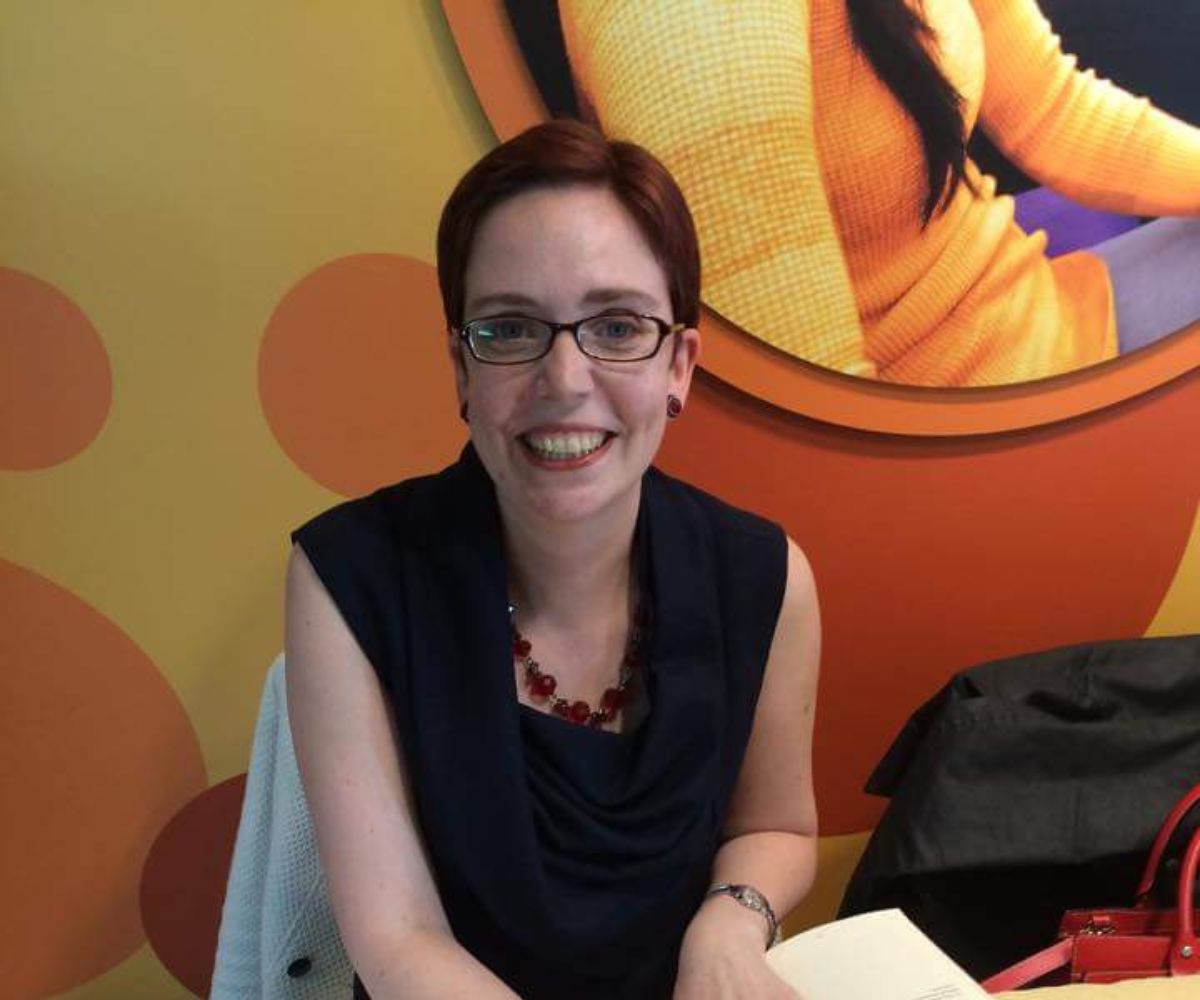
Beth Caldwell
Hear My Voice Advocate 2015
Lived with MBC 2014 to 2017
Upon her diagnosis, this civil rights attorney turned her blog about working mom issues into a vehicle for her burgeoning MBC advocacy. “The Cult of Perfect Motherhood” became a very popular account of Beth’s experience as a patient, wife, and mother, as well as her impatience with learning how few resources were available to those living with MBC. Together with Jennie Grimes (HMV 2015), Beth founded MET-UP, a nonprofit aimed at drawing attention to how many women and men die from MBC each year.
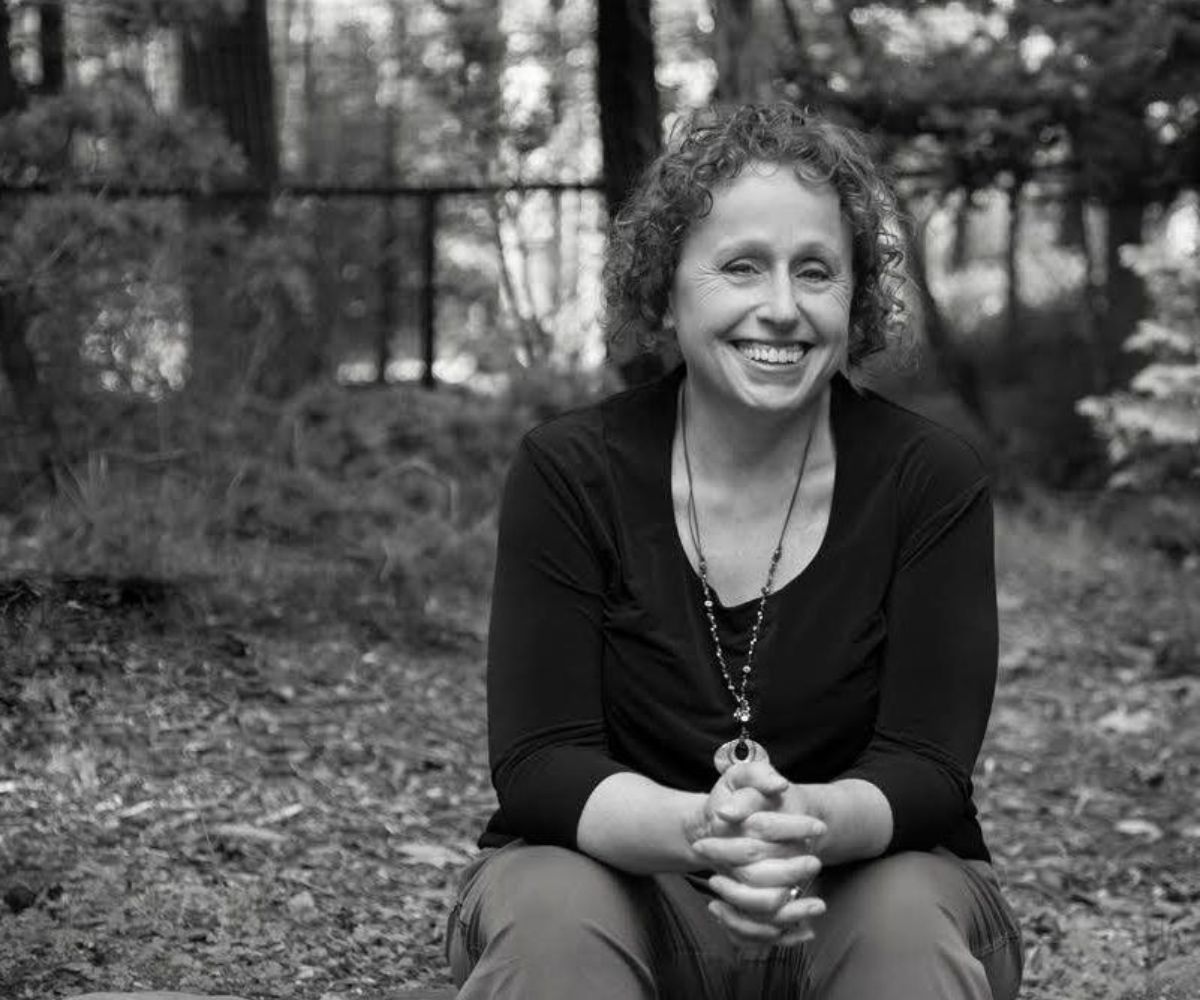
Linda Lancaster Carey
Hear My Voice Advocate 2018
Living with MBC since 2006
When Linda was diagnosed with breast cancer, her husband, Bob, a commercial photographer, started taking photos of himself wearing a pink tutu for the world to see. What began as a way to bring humor into their lives became a project to raise funds and awareness for the breast cancer community. The Tutu Project of the Carey Foundation was launched in 2012 with the goal to cover expenses that health insurance won’t: mortgage payments, food, childcare, wigs, and transportation to medical appointments. The foundation has raised hundreds of thousands of dollars to support the breast cancer community, donating over $300,000 to LBBC, and Linda has been the driving force.
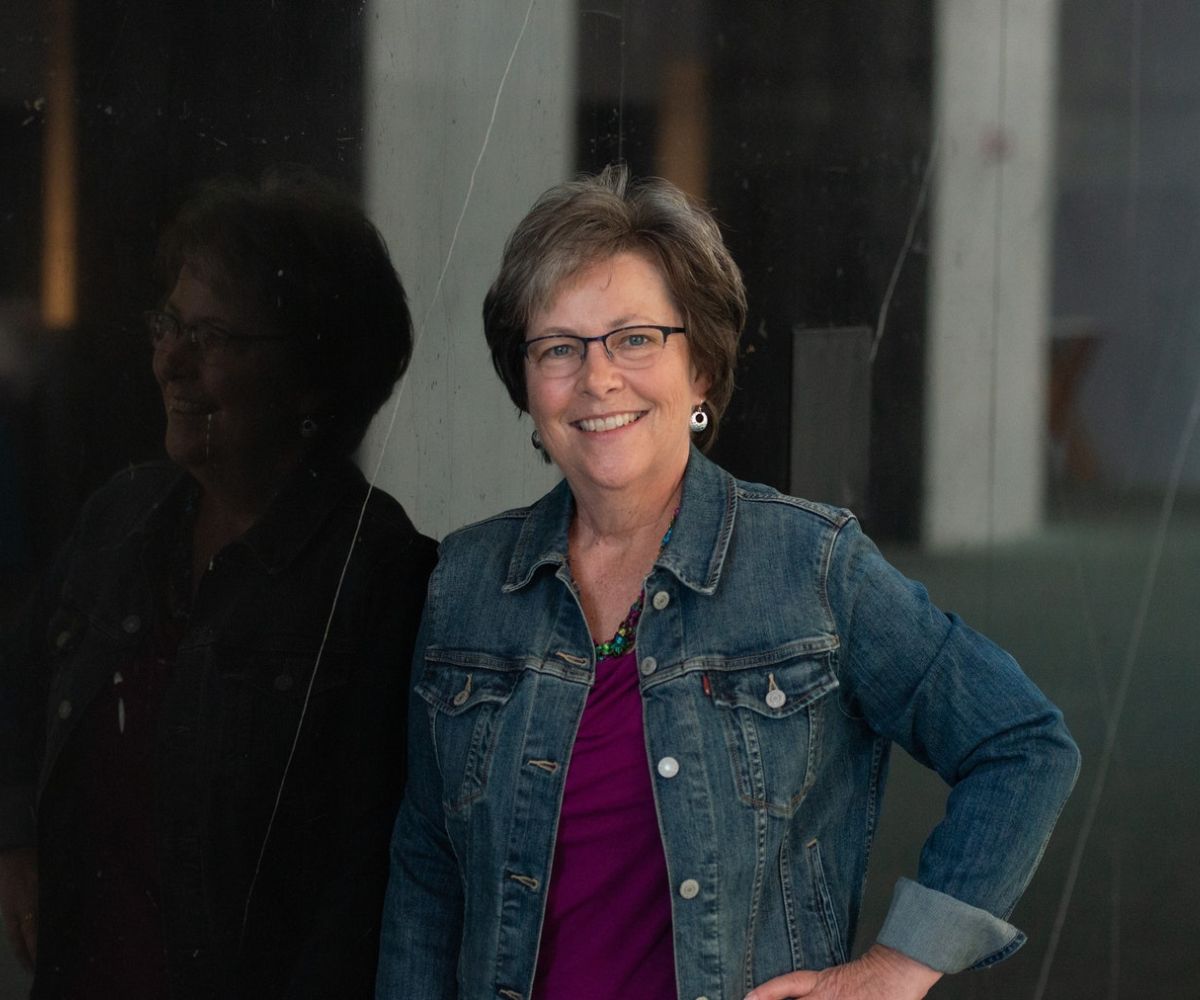
Janice Cowden
Hear My Voice Advocate 2017
Living with MBC since 2016
A retired pediatric nurse and former pharmaceutical sales representative, Janice brings a wealth of scientific and medical knowledge to her advocacy. Deeply committed to supporting and educating others living with metastatic breast cancer, Janice shares the most up-to-date information on MBC research, treatments, and clinical trials to help them make informed decisions about their care. She collaborates with researchers and is active in several patient-founded and led organizations, including GRASP, PCDI, and Project Life MBC. She also serves on the board of directors for METAvivor Research and Support, Inc., and the advisory board for Project Life. As a peer support advocate, she founded and manages an international online peer support group for newly diagnosed MBC patients. Janice regularly attends scientific breast cancer conferences to expand her knowledge and better serve the MBC community.

Shontè Drakeford
Hear My Voice Advocate 2020
Living with MBC since 2015
A working nurse practitioner and farmer, Shontè meshes her provider knowledge with her patient advocacy. She works to promote inclusion and representation in breast cancer care, advocacy, and research. In addition to many advocacy roles with Tigerlily, METAvivor, Project Life, GRASP, The Chrysalis Initiative, and Touch, she is a grant advisor for Georgetown University’s Lombardi Cancer Program. Refusing to let cancer stand in the way of her aspirations, Shontè lives by her motto: “Enjoy life as much as you can, while you can, until you can’t.”
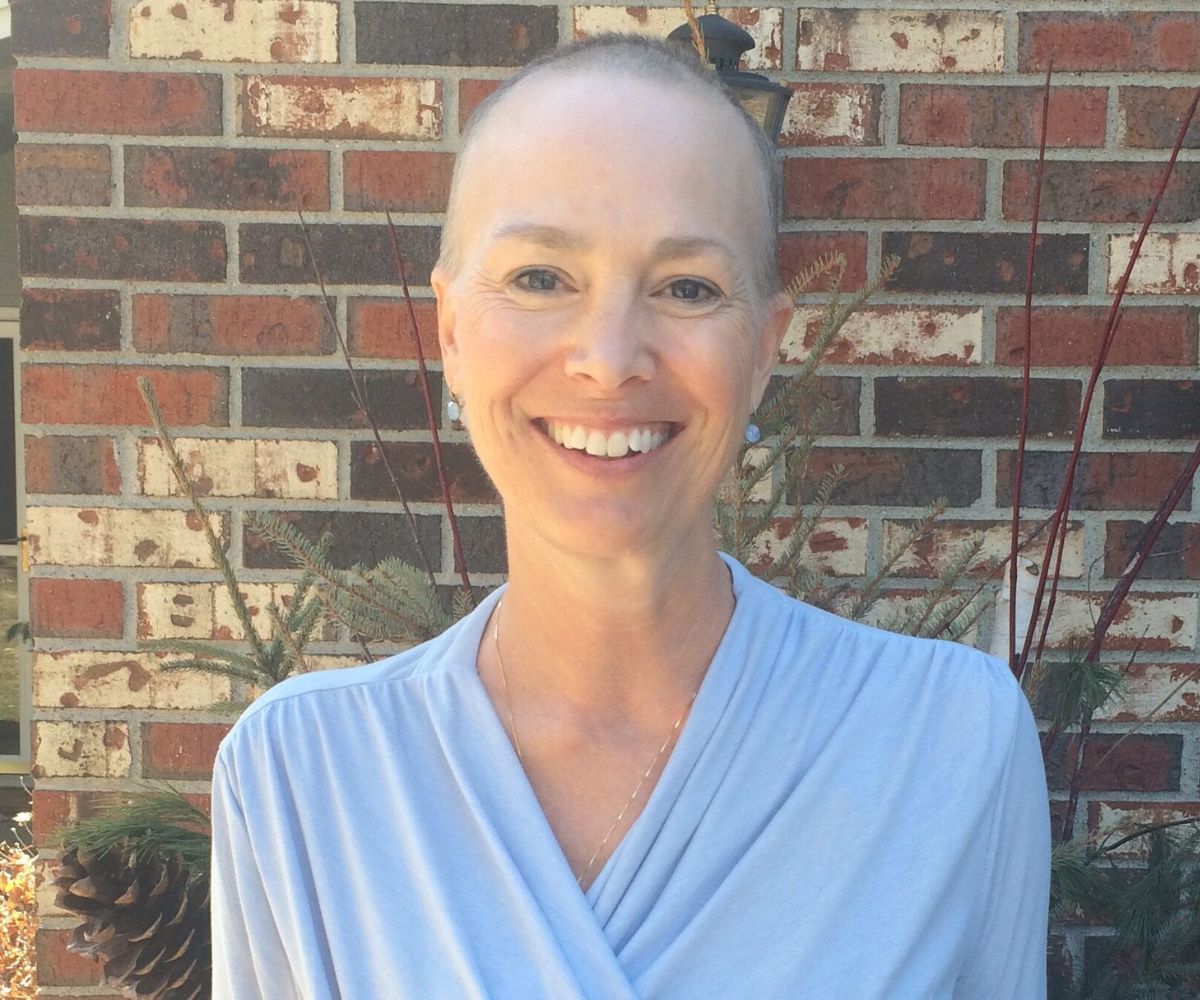
Judy Erdahl
Hear My Voice Advocate 2016
Lived with MBC 2011 to 2019
Judy used her personal experience to advocate for better treatments, better detection, and care that attended to the social and emotional side of living with terminal cancer. After her Hear My Voice training, Judy worked with LBBC, Komen Minnesota, and the Masonic Cancer Center at the University of Minnesota to bring an MBC Conference to the Midwest. The conference was the first of its kind tailored to people with MBC in the Midwest. Judy partnered with her own psychotherapist, Kelly Grosklags, LICSW, to create a documentary about her experience in hospice. Created for health care providers, “Dying Is Not Giving Up” features conversations between Kelly and Judy to assist healthcare providers in having meaningful and difficult conversations with their patients as they are in hospice.
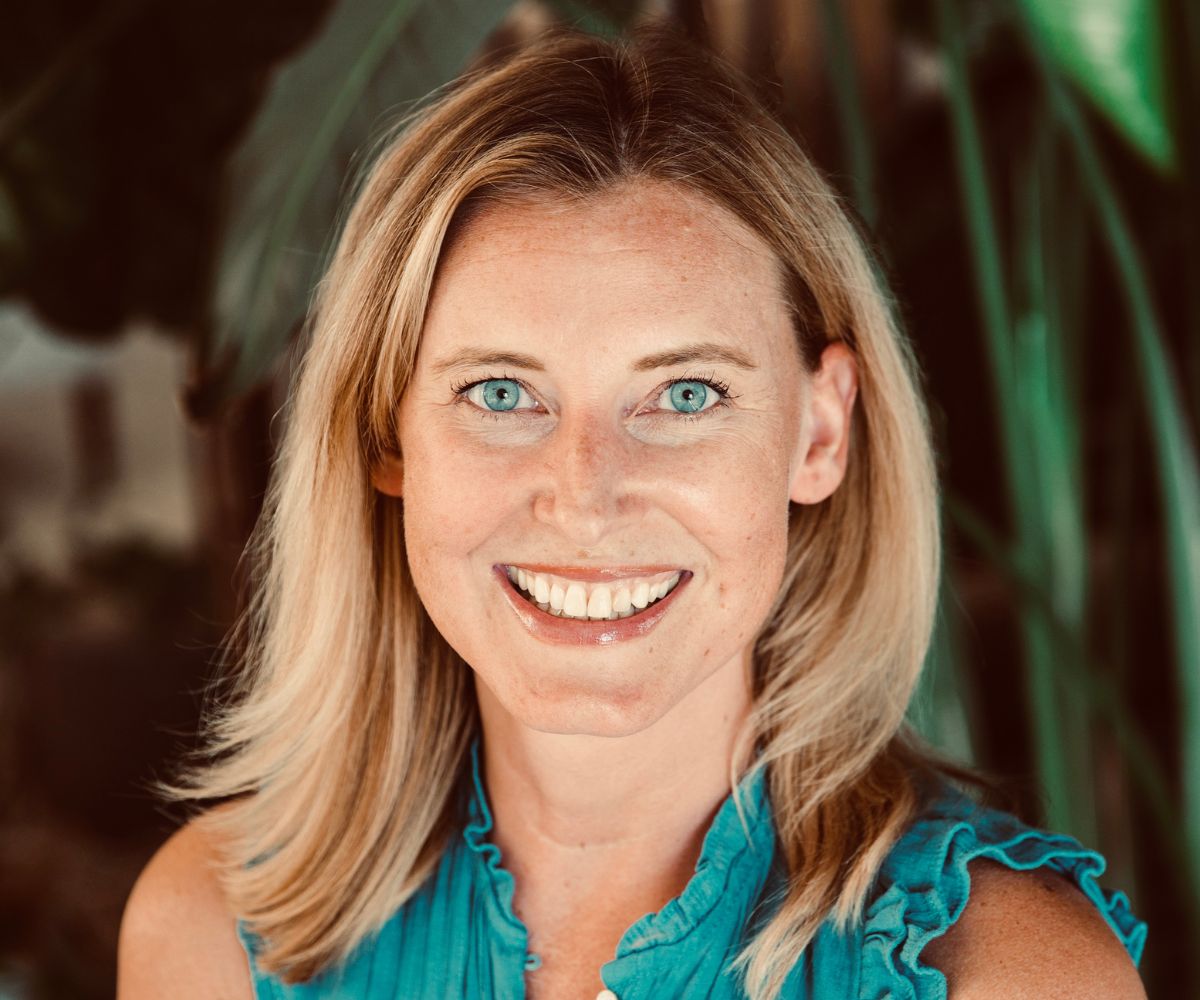
Christine Hodgdon
Hear My Voice Advocate 2018
Living with MBC since 2015
Christine Hodgdon is the Executive Director of GRASP (Guiding Researchers & Advocates to Scientific Partnerships). Her work champions advocate–researcher partnerships and includes spearheading national brain metastases initiatives such as the BCBM Initiative: Marina Kaplan Project and MBCBrainMets.org. Locally, she co-leads the Hopkins INSPIRE Research Advocacy Program and is a patient advisor on the rapid autopsy tissue donation program, Hope for OTHERS (Our Tissue Helping Enhance Research & Science).
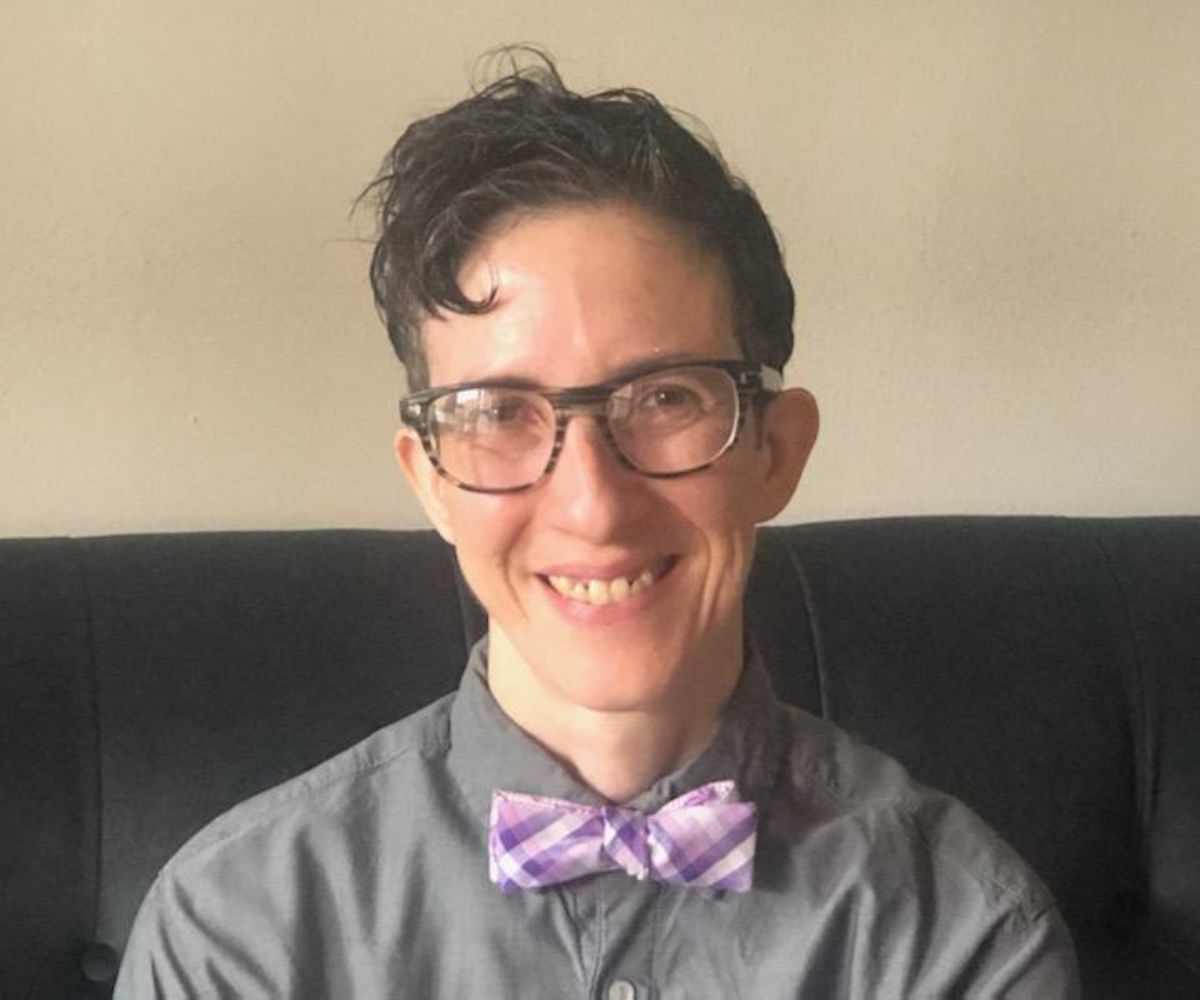
Rey Horowitz
Hear My Voice Advocate 2024
Living with MBC since 2022
As a queer, nonbinary role model in the MBC community, Rey is passionate about making cancer treatment and support settings more inclusive and competent for transgender and nonbinary individuals. A high school science teacher, Rey advocates for MBC research funding when not in the classroom inspiring students to engage in science. Rey shares their experience with staff working on LGBT issues at Memorial Sloan Kettering Cancer Center, and after completing LBBC’s Hear My Voice training, Rey went on to graduate from National Breast Cancer Coalition Project LEAD advocacy program in 2024.
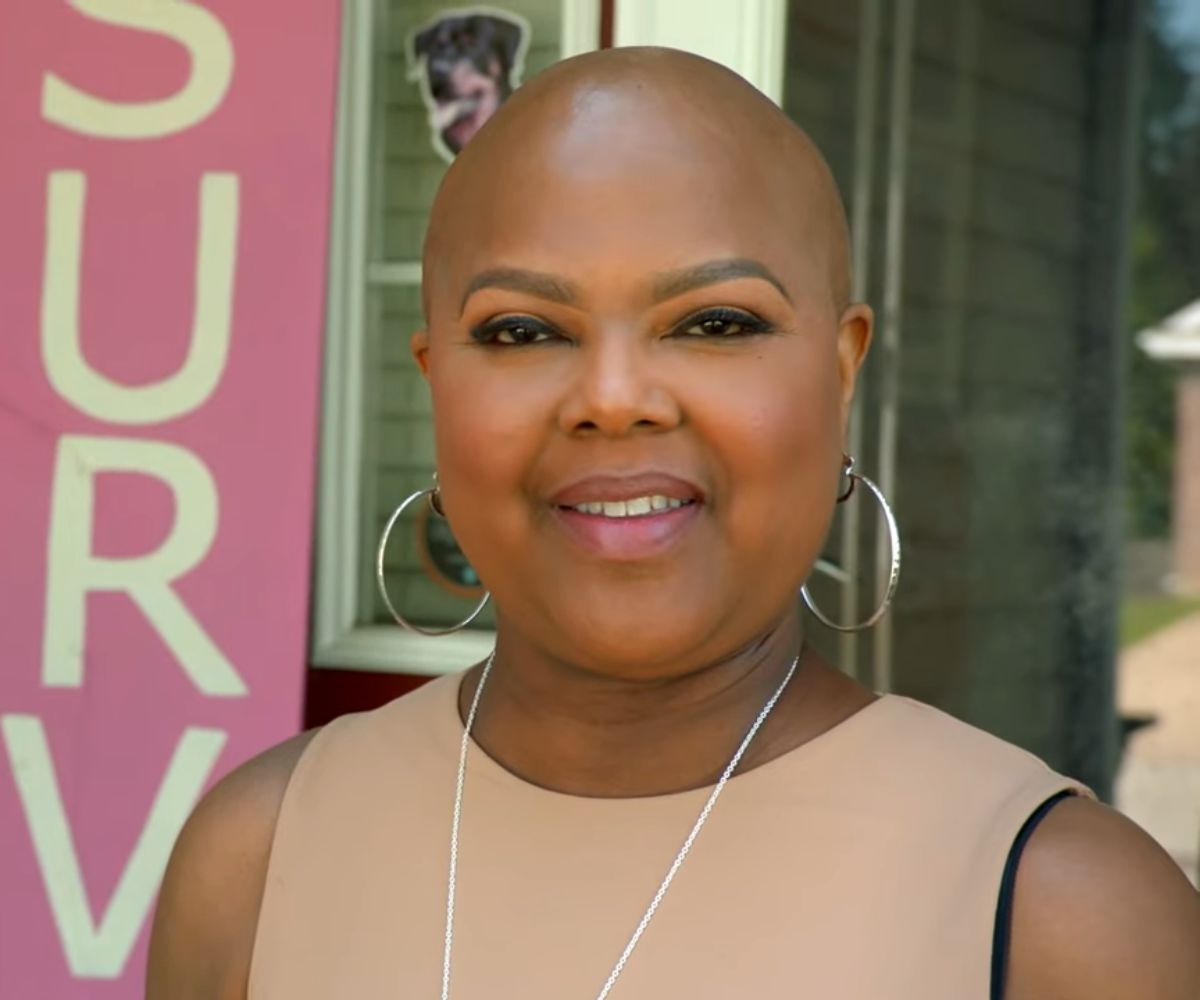
Sheila Marie Johnson
Young Advocate 2013
Lived with MBC 2009 to 2024
Sheila was diagnosed at 43 with de novo MBC, and just three years later lost her mother to MBC. Sheila was a fierce advocate for research, a writer, a motivational speaker, and a retired 25-year veteran of the U.S. Air Force. She shared her story of living with MBC for over 14 years, appearing in podcasts and videos, and as a public speaker all over the world. She wrote a book about her life, and a movie was made from that book, “God’s Grace: The Sheila Johnson Story.” She founded SWAGG (Survivors with a Good God) an advocacy group for Black women with cancer.
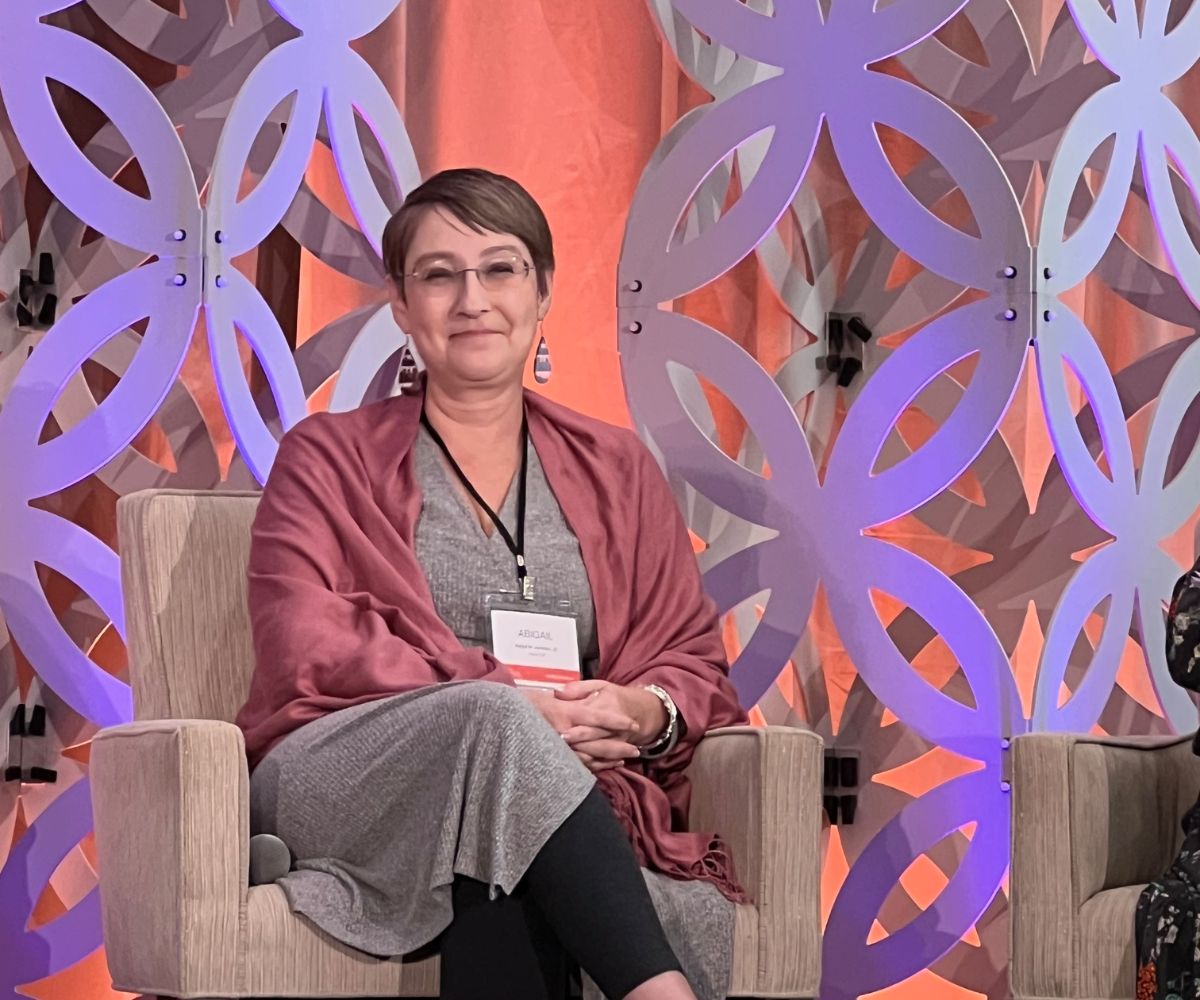
Abigail Johnston, JD
Hear My Voice Advocate 2019
Living with MBC since 2017
Abigail felt a lump while tandem breastfeeding her sons in 2017, then 1 and 3, and was diagnosed with de novo stage IV MBC. A lawyer by training, Abigail has focused her efforts on patient advocacy, sharing her legal expertise with people living with MBC. She currently serves as the Director of Mentorship and Legal Clinics at Project Life; is a founding member of the PIK3CA Pathbreakers; and volunteers with a variety of organizations including LBBC, the MBC Alliance, FORCE, METAvivor, and many others. She shares her story via her blog at NoHalfMeasures.blog.
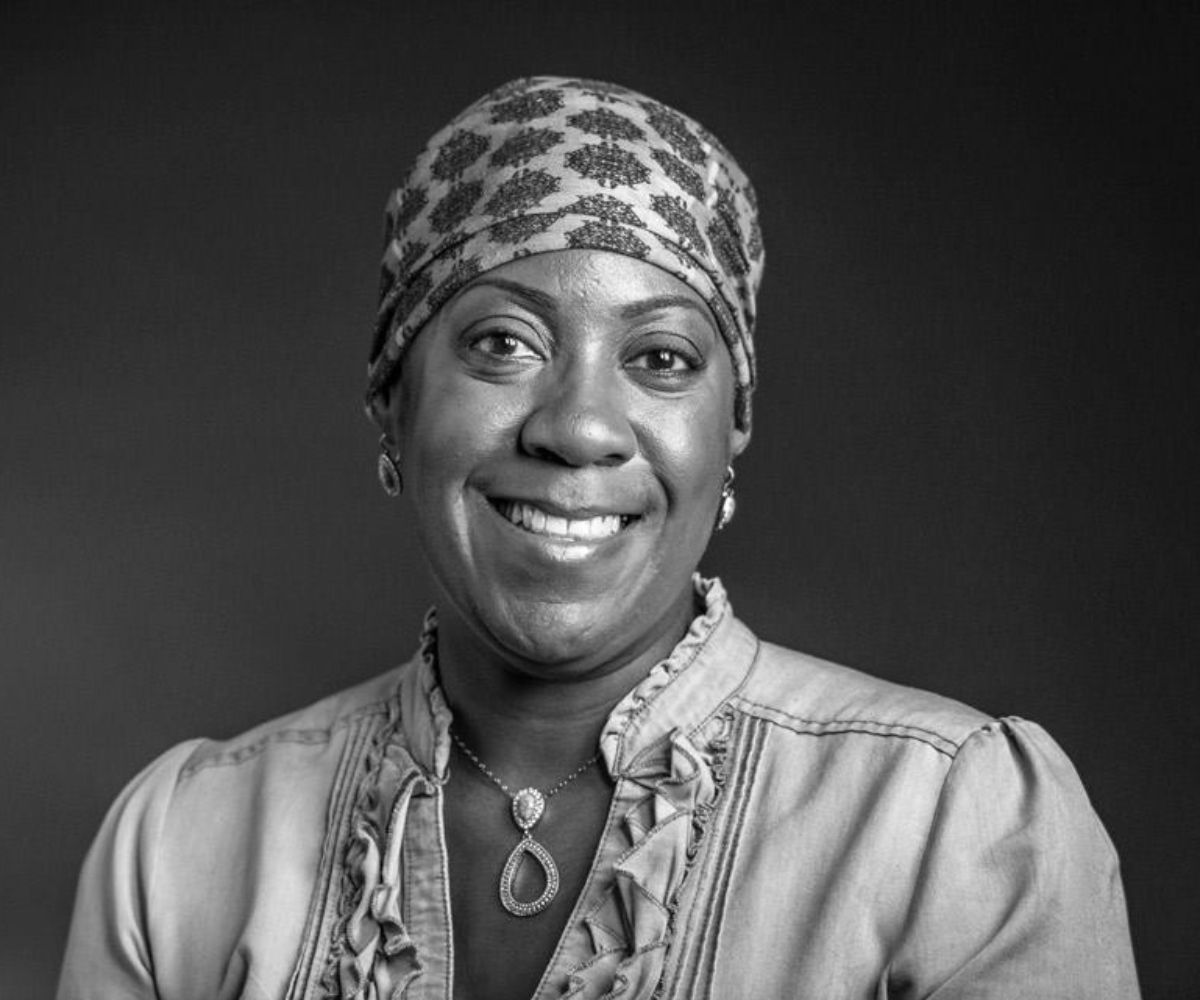
Sarita Joy Jordan
Hear My Voice Advocate 2015
Lived with MBC 2012 to 2016
A healthcare worker, marathon runner, and a mother, Sarita devoted her advocacy efforts to educating people about MBC. Proud to call herself a role model for other Black women diagnosed with MBC, Sarita was determined to receive fair treatment and resources from a flawed healthcare system. An effective speaker and networker, Sarita was a popular speaker for many organizations, appeared in many public awareness campaigns, and had her own Facebook account that recounted her experiences.
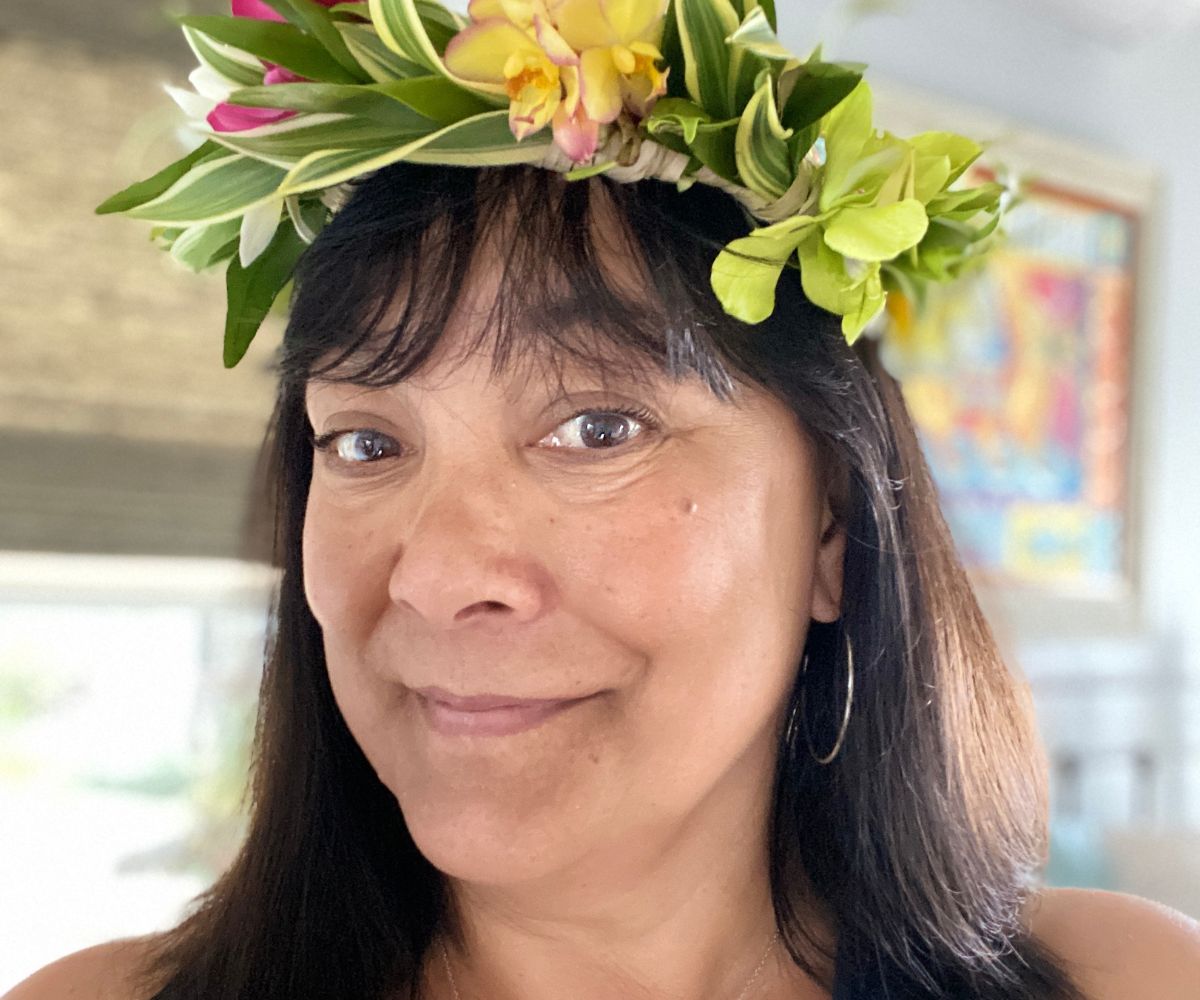
Lesley Kailani Glenn
Hear My Voice Advocate 2015
Living with MBC since 2012
Lesley began her advocacy efforts by raising funds for research and support through Climb for a Cure. She later moved her focus to research and advocacy. A peer reviewer for the Department of Defense Research Program and Komen, Lesley is the founder and CEO of Project Life, a virtual wellness house for those living with MBC and their loved ones.
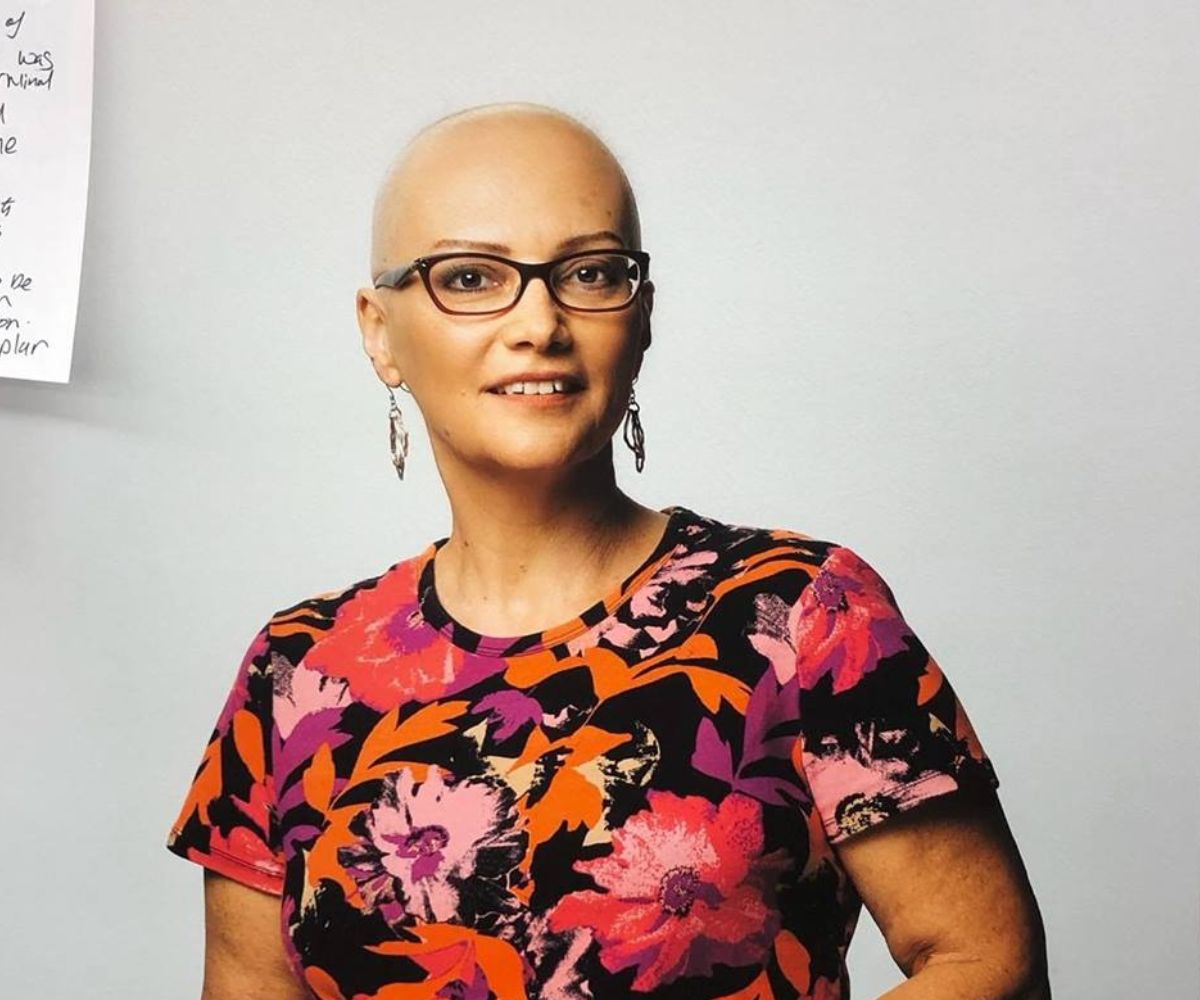
Marina Kaplan
Hear My Voice Advocate 2019
Lived with MBC 2014 to 2020
An epidemiologist who lived 6 years with metastatic TNBC, Marina turned her research skills toward bridging the gap between the patient experience and the research community. She created a survey and presented her findings at the 2019 San Antonio Breast Cancer Symposium with the poster “Hear our voices: Dear oncologist, this is what I need you to know.” Marina’s research and example inspired the founding of the Marina Kaplan Project for people living with brain mets, and the Metastatic Breast Cancer Alliance’s BECOME Project, a survey on the Black Experience of Clinical Trials and Opportunities for Meaningful Engagement.

Maggie Kudirka
Young Advocate 2014
Hear My Voice Advocate 2015
Lived with MBC 2014 to 2024
Maggie was diagnosed with metastatic breast cancer when she was only 23 years old. A professionally trained dancer, she continued to dance, teach, choreograph, and perform as she went through treatment, sharing her story as “The Bald Ballerina.” Despite initially disliking public speaking, Maggie grew as a speaker and an advocate reaching young women, dancers, and many others through her work.
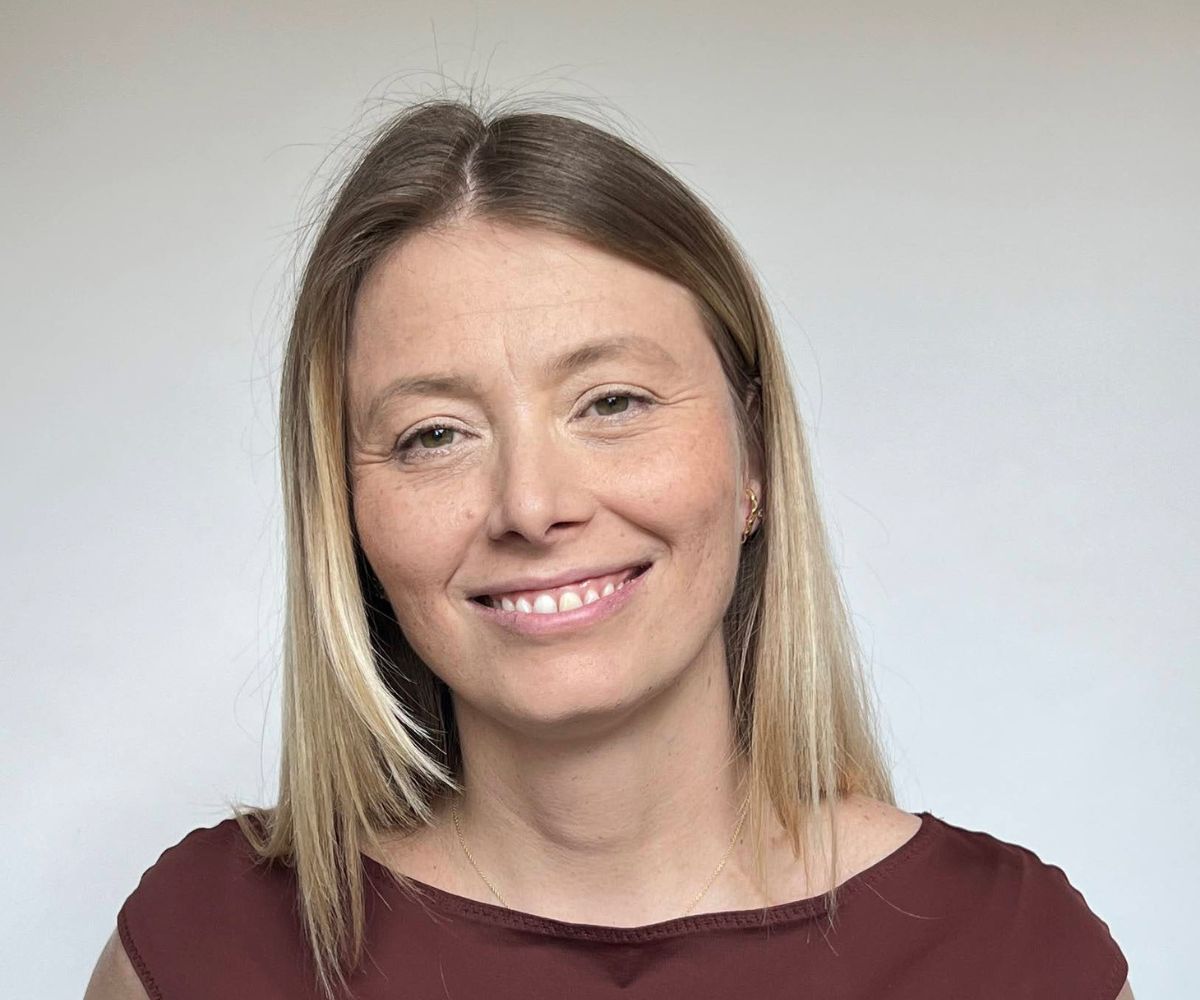
Julia Maués
Hear My Voice Advocate 2018
Living with MBC since 2013
Julia’s initial advocacy efforts focused on working with researchers and clinicians to ensure research is patient-centered, innovative, accessible, and inclusive. She co-founded GRASP (Guiding Researchers and Advocates to Scientific Partnerships) with fellow advocate Christine Hodgdon and leads the Patient-Centered Dosing Initiative (PCDI) which advocates for treatments that optimize both efficacy and tolerability. PCDI was founded by Anne Loeser, a patient advocate who passed away from MBC in 2023. Julia and others have ensured that Anne’s vision and passion are continued.
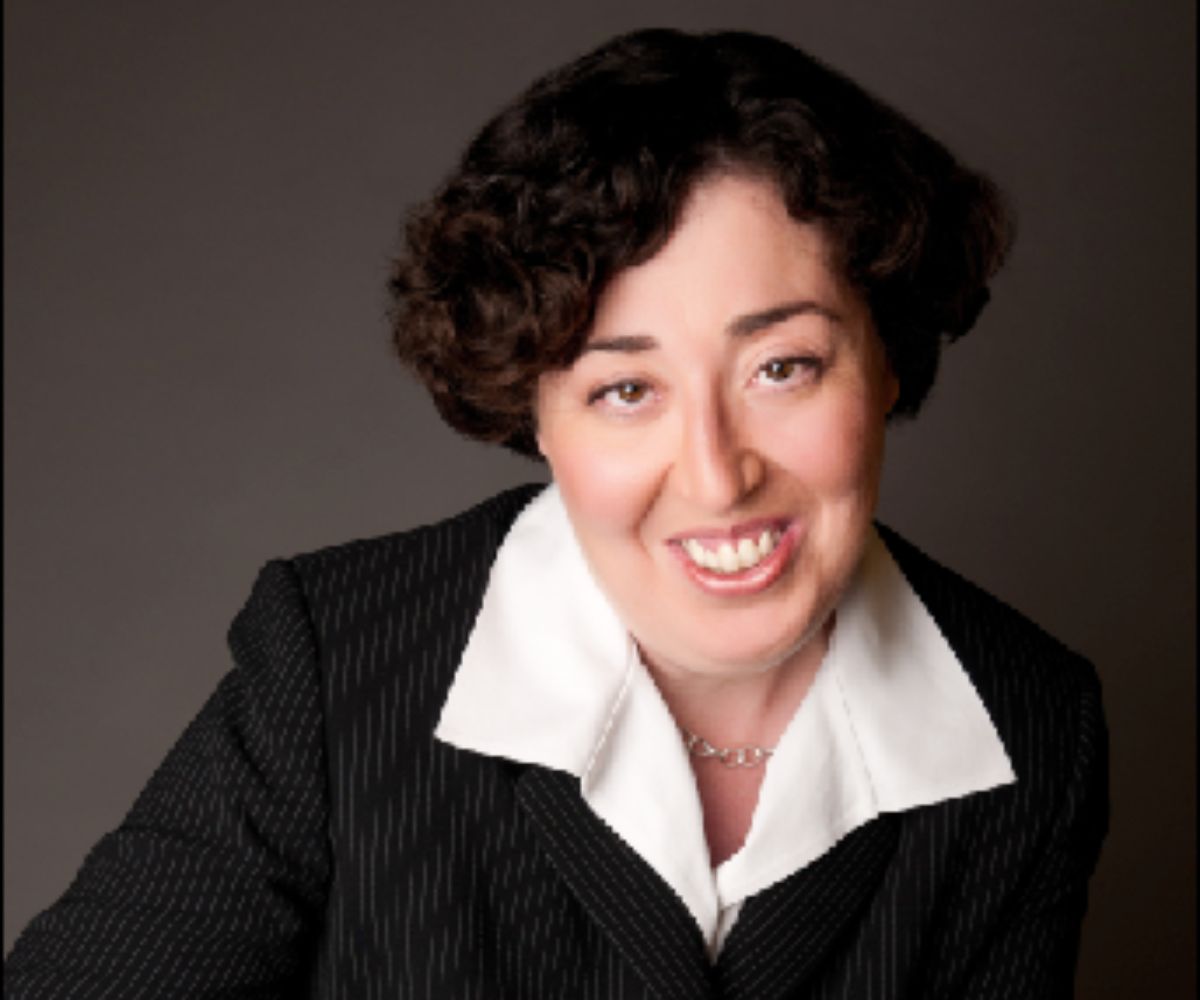
Katherine O’Brien
Hear My Voice coach
Lived with MBC 2009 to 2021
Diagnosed de novo MBC at the age of 43, Katherine devoted her substantial journalistic and communications skills to amplifying the voice of people living with MBC. An early social media blogger, Katherine’s extraordinarily honest thoughts on life with MBC as well as the inadequacy of research dollars for MBC were posted regularly under her ihatebreastcancer moniker. She also was a trusted online reporter for online medical news sites. A key member of the Metastatic Breast Cancer Alliance, she co-chaired a number of public awareness campaigns and launched a petition drive to change how the national cancer registries in the U.S. count the number of people who die from MBC.
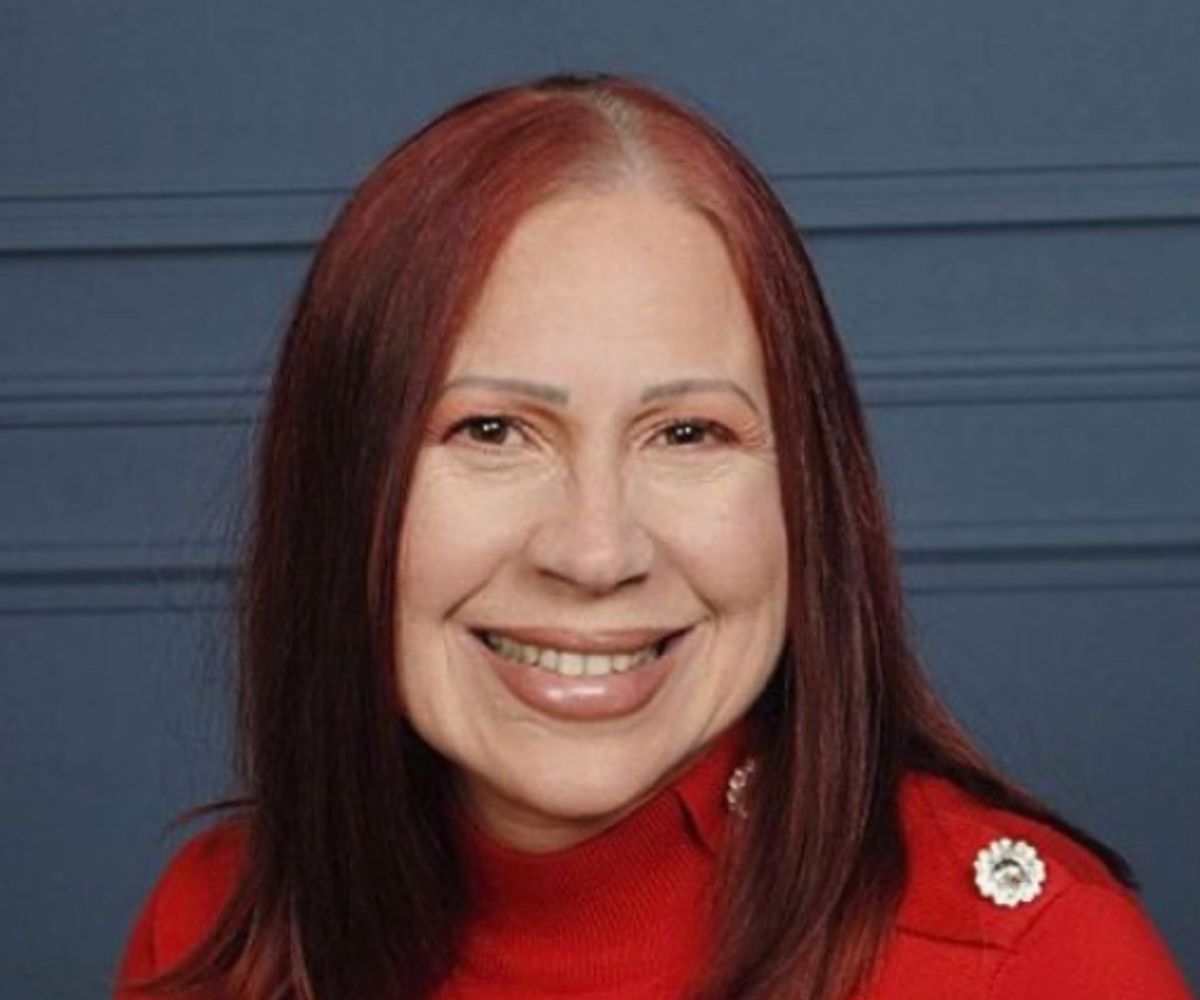
Natalia Padron
Hear My Voice Advocate 2018
Living with MBC since 2015
A single mother of three, Natalia connected deeply with others during her Hear My Voice training, and connection continues to be her advocacy focus. She is committed to speaking to Latinas diagnosed with MBC and breaking through the loneliness of the diagnosis. She raises her voice frequently online, as a speaker at conferences, and as a promoter of clinical trials.
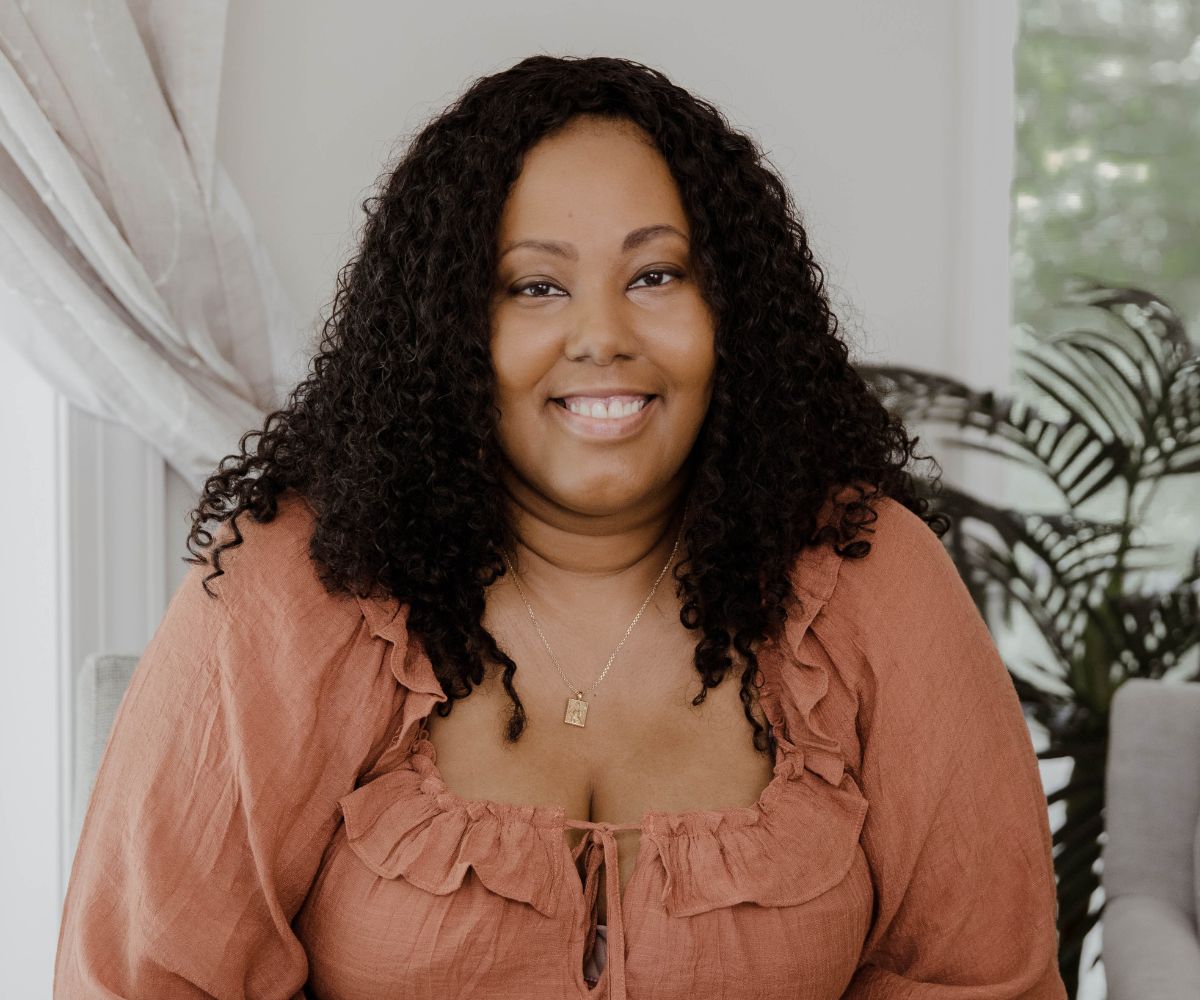
Jamil Rivers
Young Advocate 2018
Living with MBC since 2018
A nonprofit professional and mother of three, Jamil was diagnosed with MBC at 39 years old. She immediately sought to gain more knowledge about her disease. Through her advocacy, Jamil uses her knowledge base and experiences to help advance legislative policy and medical research, and to better meet the needs of people with breast cancer (particularly metastatic). She has focused on advocating for Black patients and other groups who face disparity in access to care. She served as advisory chair of the Knowledge is power: The Black breast cancer experience and is board treasurer and immediate past president of METAvivor. A board member of LBBC, Jamil founded the Chrysalis Initiative to disrupt outcome disparities within breast cancer, so every patient receives the care they deserve. Chrysalis provides both patients and healthcare providers with educational support and resources.
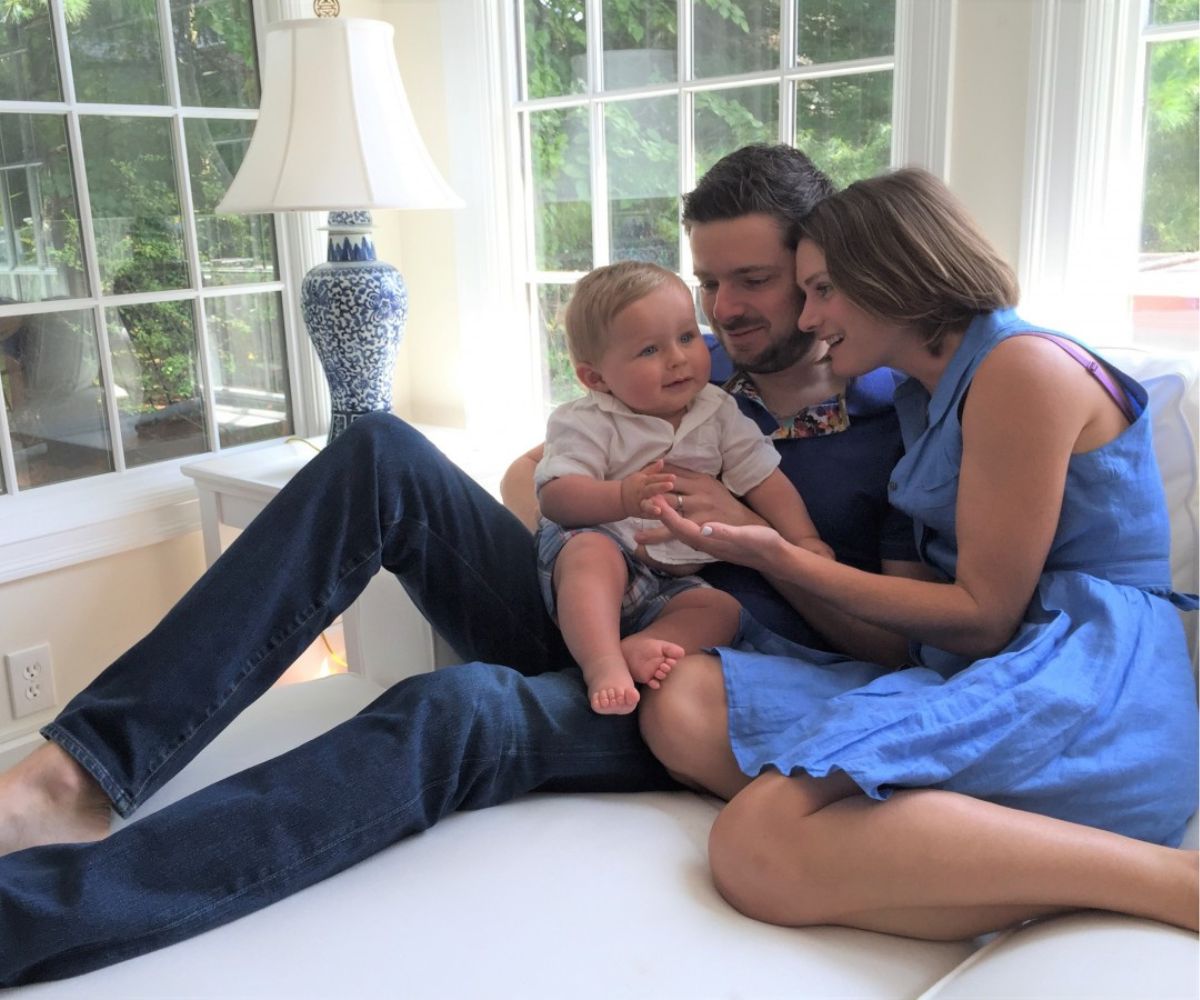
Trish Russo
Hear My Voice Advocate 2017
Living with MBC since 2013
A filmmaker from southern California, Trishcia was diagnosed first with early-stage breast cancer at age 30 and then a year later with MBC. She and her husband were determined to have a family, and through their experience with fertility, egg donation, and surrogacy, Triciash both found and offered support for other people with metastatic breast cancer wanting to build a family. Trish made a documentary titled “Love Always, Mom,” about their experience, inspiring hope for those who are or want to be parents.
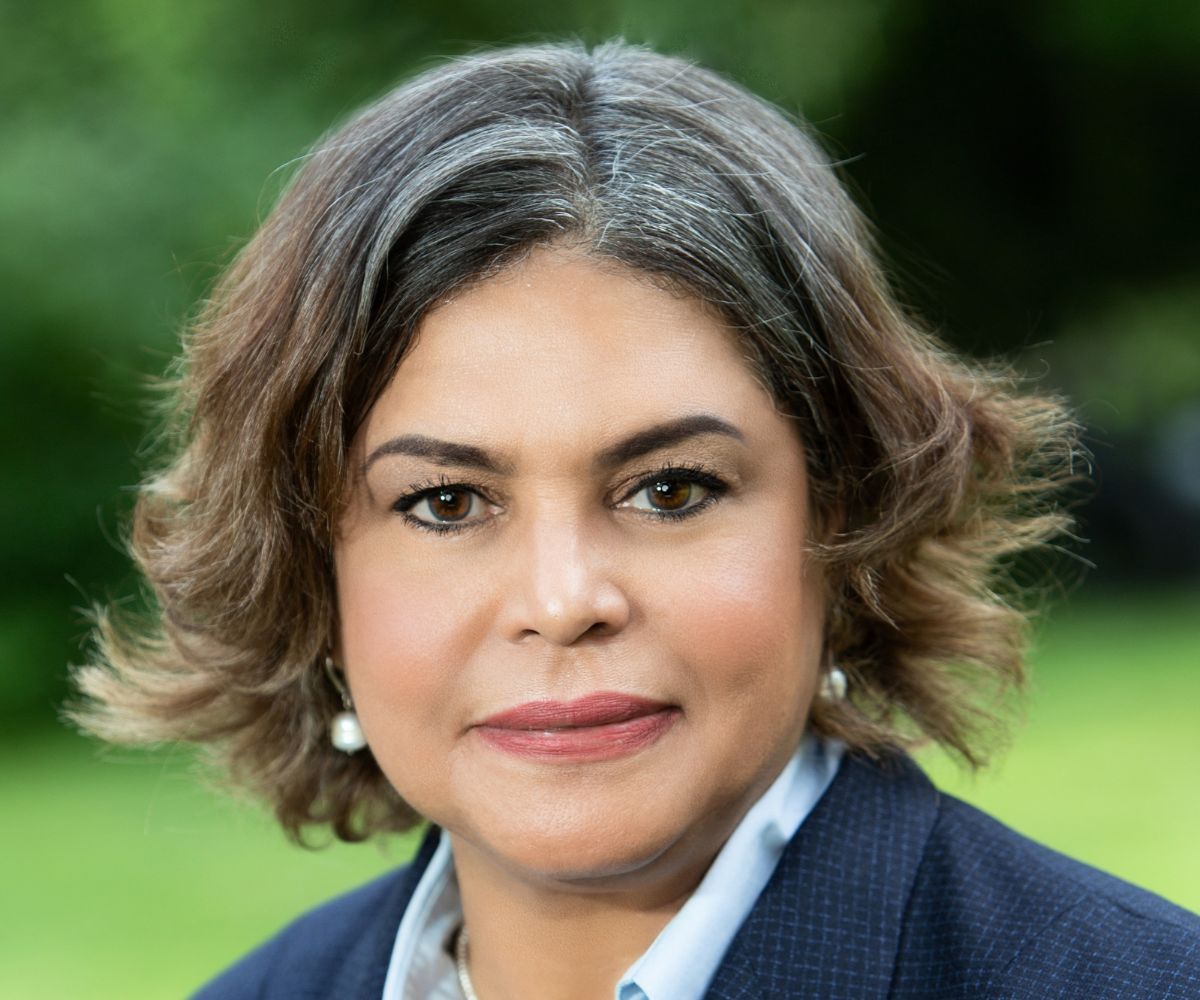
Betty Sanchez
Hear My Voice Advocate 2021
Living with MBC since 2016
After treatment for her de novo MBC diagnosis, Betty found the community and patient advocates she met helped rebuild her confidence and strength. Recognizing the health disparities for Hispanic and Latino communities, Betty developed a community breast cancer learning series near her parents in Puerto Rico. This annual series features bilingual medical experts, scientists, and advocates. A retired health care analyst and prior neuroscience researcher, Betty continues her research advocacy work as a member of the Metastatic Breast Cancer Alliance, a grant reviewer for the Department of Defense Congressional Medical Research Programs and METAvivor, an Alamo Breast Cancer Advocate Scholar, National Breast Cancer Coalition Project LEAD graduate, and SABCS Latina Cancer Advocacy Scholar.

Andy Sealy
Hear My Voice Advocate 2017
Lived with MBC 2017 to 2024
Andy was determined to live her life to the fullest. As founder and host of the podcast “Making the Breast of It,” Andy and her co-host Krysten Gentile spoke openly and honestly about living with MBC as women in their 30s. An advocate of “research not ribbons,” Andy was a spokeswoman for Penn Medicine and advocate for dying with dignity. Andy was fearless in sharing her story and in advocating for mental health.
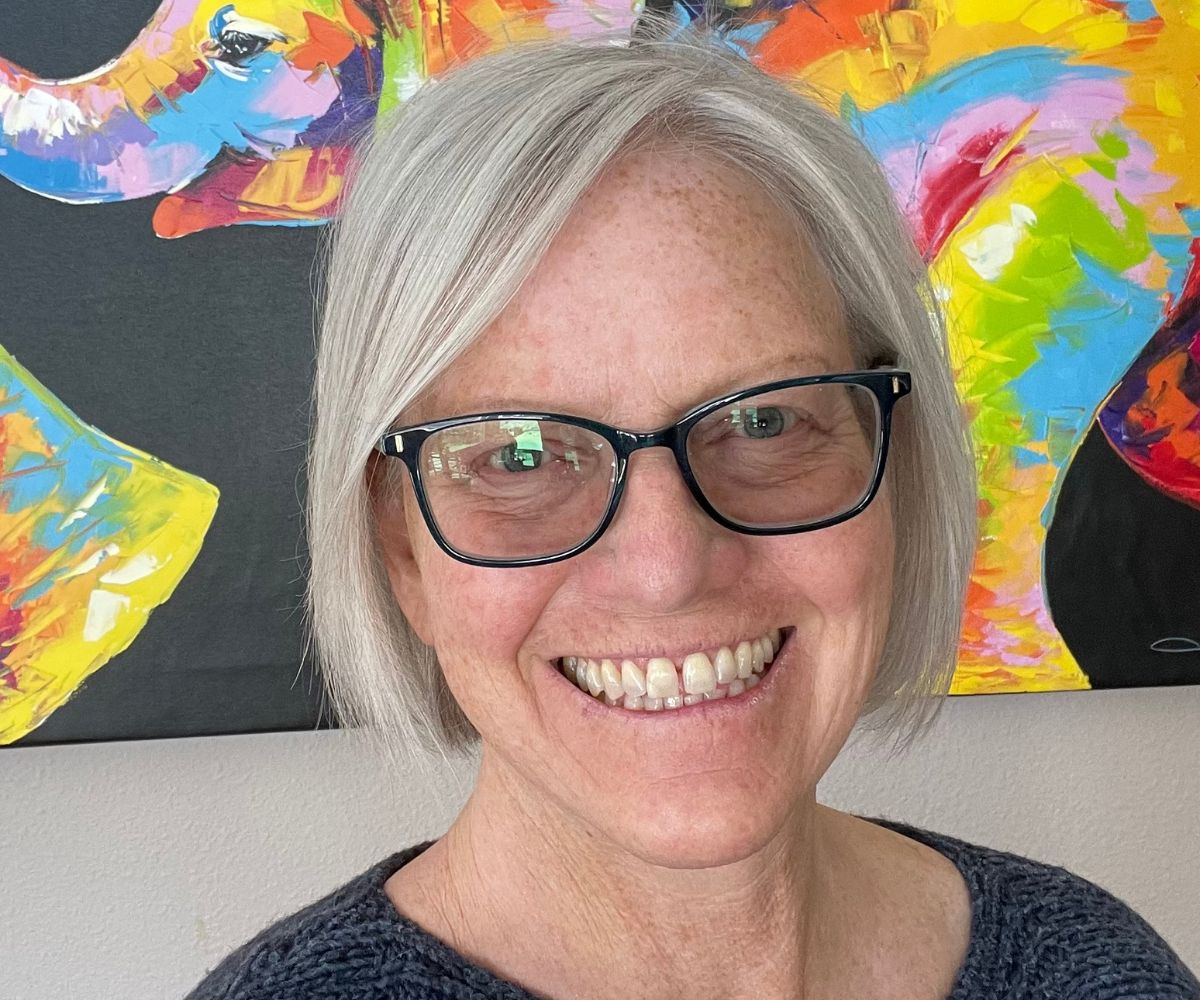
Kelly Shanahan, MD
Hear My Voice coach and Helpline volunteer
Living with MBC since 2013
Kelly has served as a mentor for newly trained Hear My Voice volunteers for many years. She was no longer able to practice medicine because of treatment-related side effects. Finding a new purpose in vigorous advocacy, Kelly is president of the board of directors of METAvivor, a member of the Patient Centered Dosing Initiative, and serves on the Alliance for Clinical Trials in Oncology cooperative group. She also reviews grants and is a strong MBC research advocate.
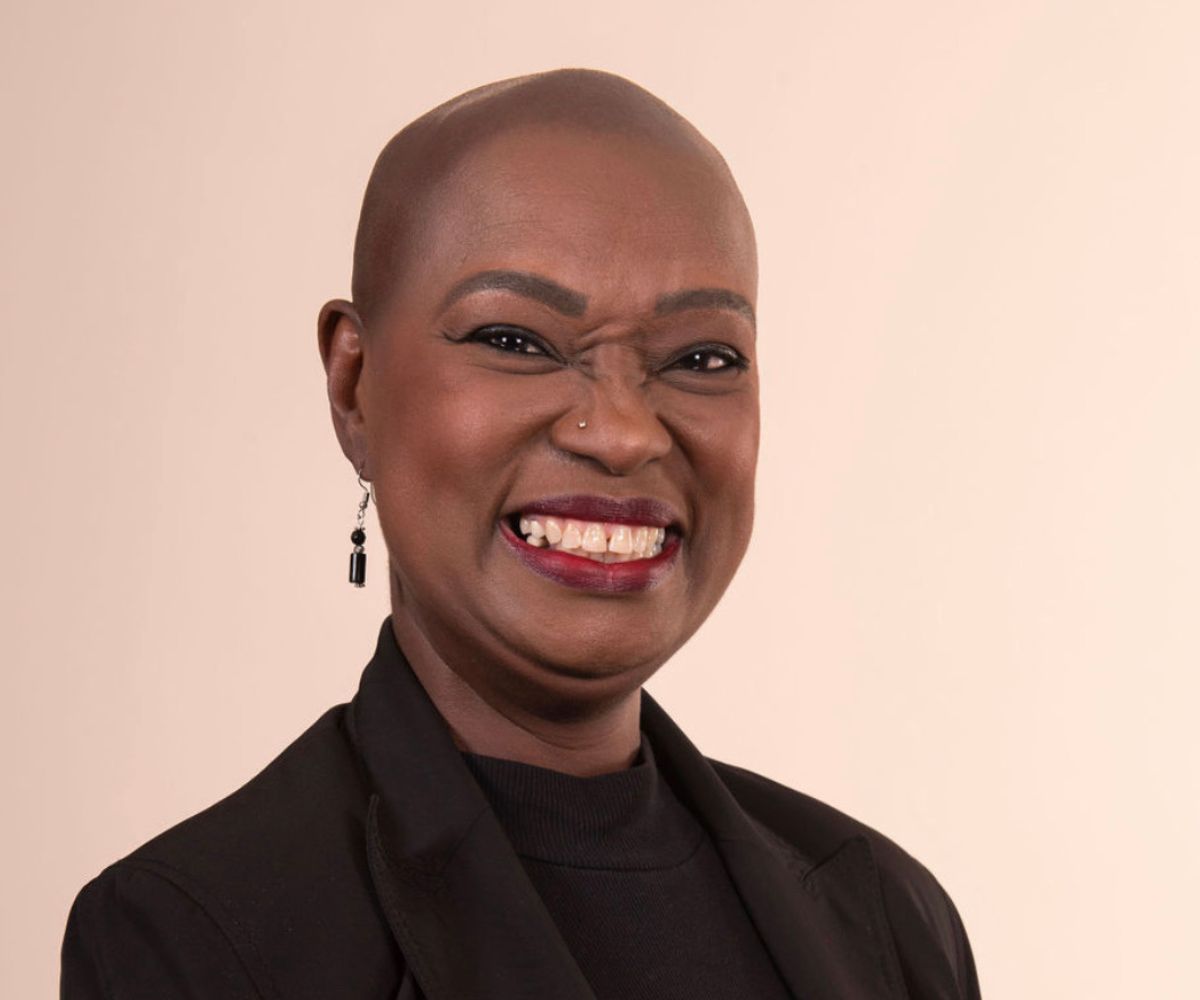
Terlisa Sheppard
Hear My Voice Advocate 2018
Living with MBC since 2001
A four-time breast cancer survivor and metastatic thriver for more than 25 years, Terlisa founded “Terlisa Fights Breast Cancer, Inc.” so that she could use her diagnosis and breast cancer journey to motivate, encourage, and inspire countless other survivors to push through their illness. A former board member with METAvivor, Terlisa has touched countless lives with her message: Live your best life, one day at a time.
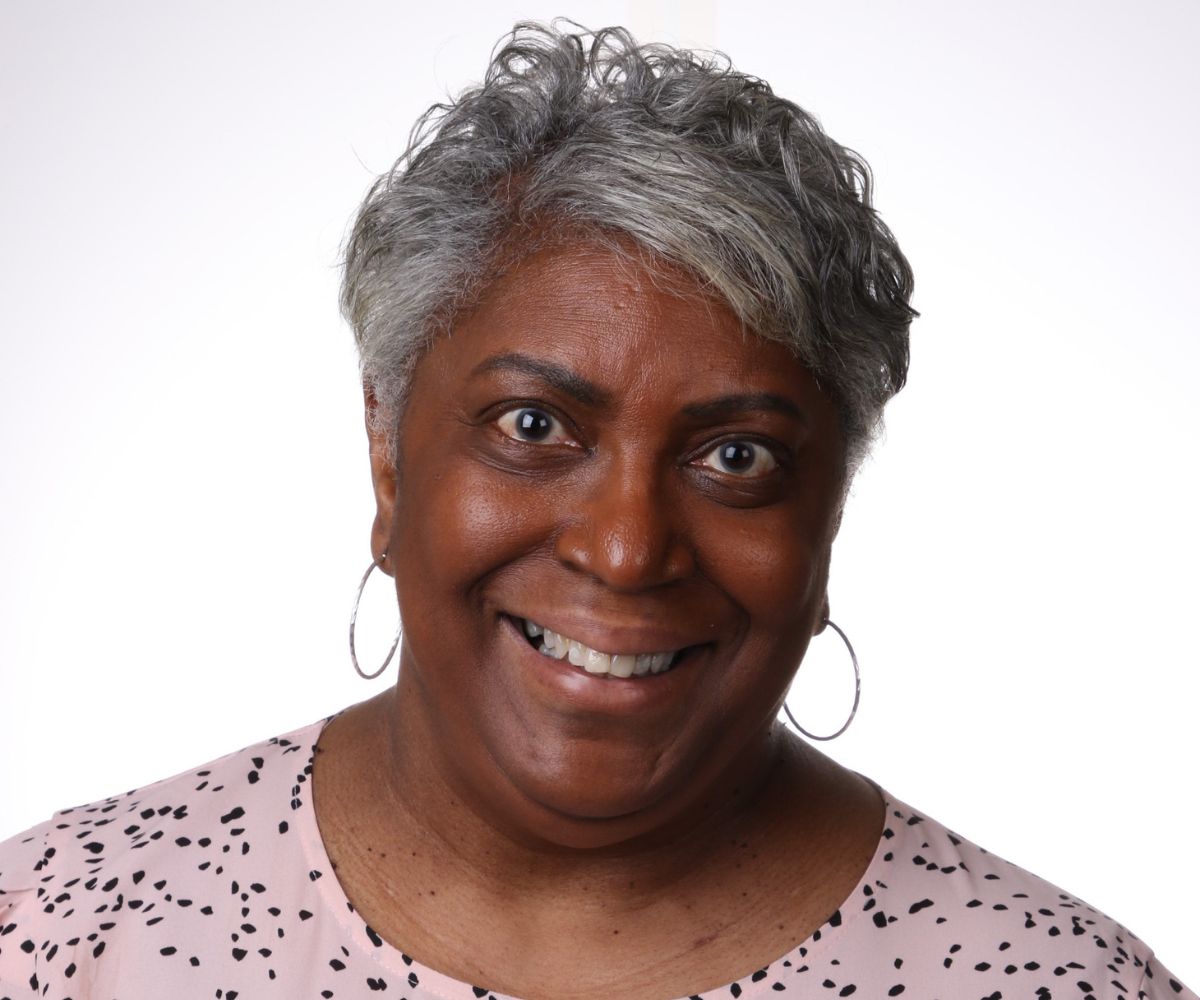
Stephanie Walker
Hear My Voice Advocate 2019
Living with MBC since 2015
A retired nurse living in rural North Carolina, Stephanie found her voice while attending LBBC’s Conference on Metastatic Breast Cancer in 2017. The next year, she was trained as an HMV advocate and has never looked back. Among her many advocacy accomplishments, Stephanie is currently chair of the Metastatic Breast Cancer Alliance (MBCA) and was the project lead for MBCA’s BECOME Project (Black Experience of Clinical Trials and Opportunities for Meaningful Engagement). That research inspired the Black Wo(men) Speak symposium, chaired by Stephanie, held at the San Antonio Breast Cancer Symposium in 2022.
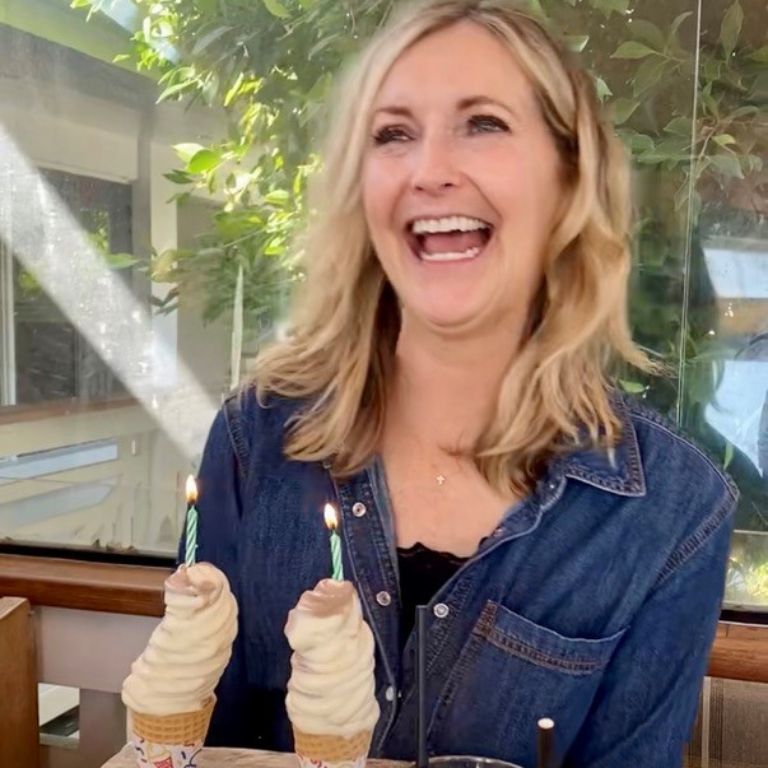
Lynda Weatherby
Hear My Voice Advocate 2017
Living with MBC since 2013
Lynda is the advocate co-founder of The Project to End Postpartum Breast Cancer (PPBC), working with Virginia Borges, MD, and other colleagues to elevate PPBC research funding and public awareness. She currently serves on the Board of METAvivor and the Internal Advisory Board of the Fred Hutchinson Cancer Center “Center for Metastasis Research eXcellence or “MET-X.” Lynda is also part of the production team for the “Live From Stage 4” Podcast for Metastatic Breast Cancer. She is passionate about making MBC “survivable” — especially for the young women and mothers experiencing rising rates of BC and PPBC and for people living with brain mets.
changemakers
When LBBC was founded in 1991, breast cancer awareness, education, and advocacy were increasing. A handful of national breast cancer advocacy groups existed that focused primarily on screening and early-stage breast cancer advocacy. Today, LBBC is proud and grateful to be part of a vibrant community of MBC advocacy organizations. Here we spotlight just a few of the hundreds of organizations that now include metastatic advocacy and education since LBBC’s first Conference on Metastatic Breast Cancer in 2007.
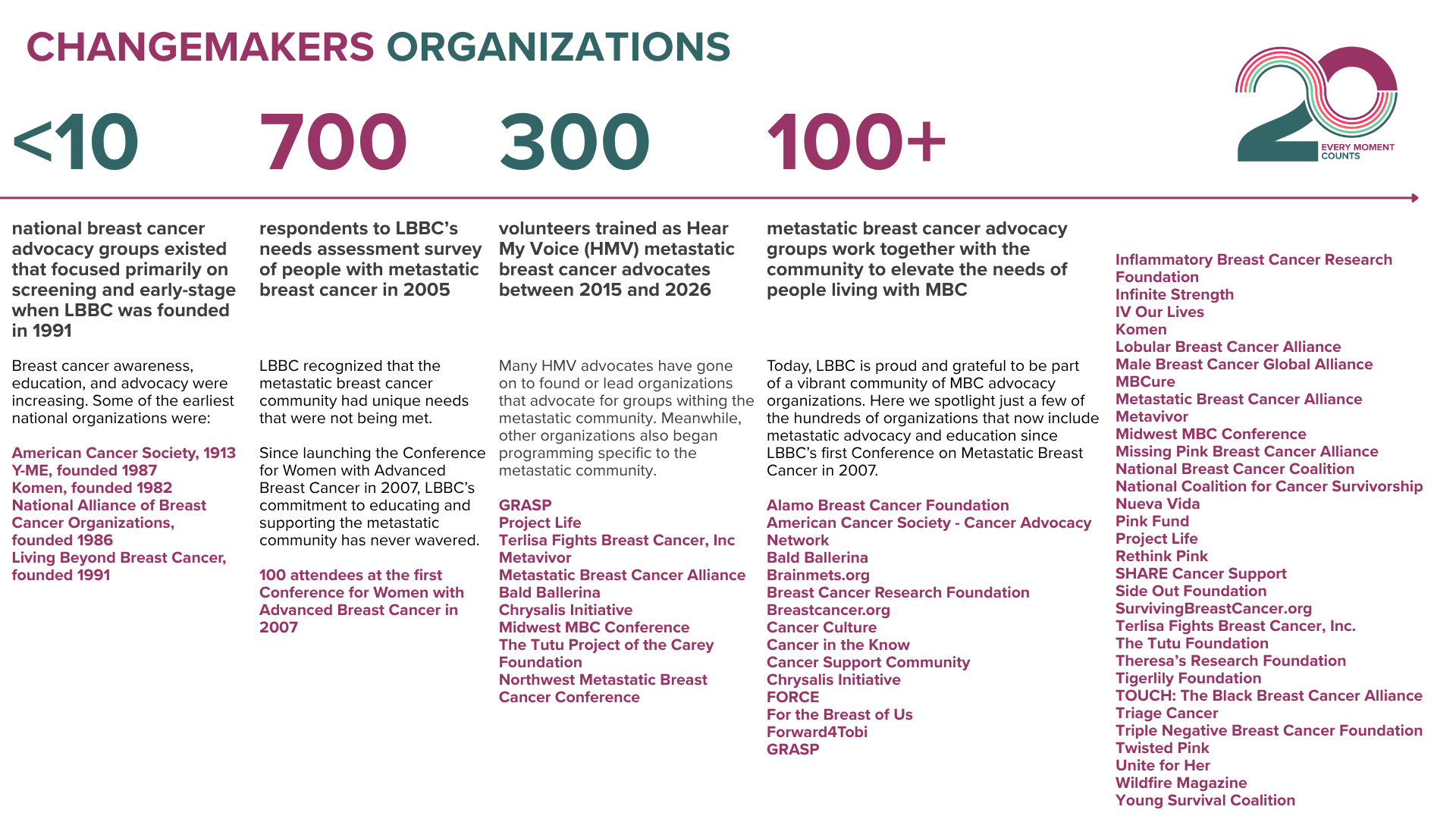
A few of LBBC’s Hear My Voice advocates have gone on to found or lead organizations that advocate within the metastatic community.
Together, a wide array of metastatic breast cancer advocacy groups work together with the community to elevate the needs of people living with MBC.
Alamo Breast Cancer Foundation
American Cancer Society – Cancer Advocacy Network
Bald Ballerina
Brainmets.org
Breast Cancer Research Foundation
Breastcancer.org
Cancer Culture
Cancer in the Know
Cancer Support Community
Chrysalis Initiative
FORCE
For the Breast of Us
Forward4Tobi
GRASP
Inflammatory Breast Cancer Research Foundation
Infinite Strength
IV Our Lives
Komen
Lobular Breast Cancer Alliance
Male Breast Cancer Global Alliance
MBCure
Metastatic Breast Cancer Alliance
Metavivor
Midwest MBC Conference
Missing Pink Breast Cancer Alliance
National Breast Cancer Coalition
National Coalition for Cancer Survivorship
Nueva Vida
Pink Fund
Project Life
Rethink Pink
SHARE Cancer Support
Side Out Foundation
SurvivingBreastCancer.org
Terlisa Fights Breast Cancer, Inc.
The Tutu Foundation
Theresa’s Research Foundation
Tigerlily Foundation
TOUCH: The Black Breast Cancer Alliance
Triage Cancer
Triple Negative Breast Cancer Foundation
Twisted Pink
Unite for Her
Wildfire Magazine
Young Survival Coalition
Practice-Changing
Since the first Conference on Metastatic Breast Cancer in 2007, the treatment options for metastatic breast cancer have evolved and grown. What was once a one-size-fits-most approach relying on chemotherapy, a couple of hormonal therapies, and a HER2-targeted drug, is now led by biomarker-driven targeted therapies. Further developments include using treatment sequencing to extend disease control and extend overall survival.
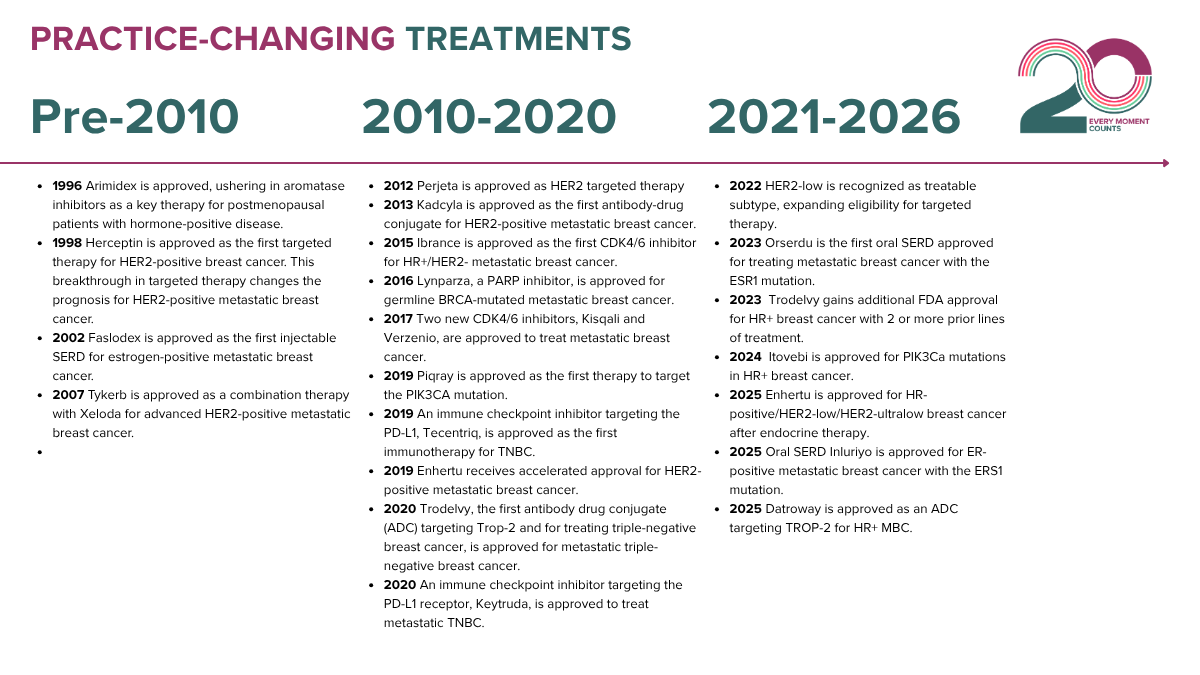
1996 Arimidex is approved, ushering in aromatase inhibitors as a key therapy for postmenopausal patients with hormone-positive disease.
1998 Herceptin is approved as the first targeted therapy for HER2-positive breast cancer. This breakthrough in targeted therapy changes the prognosis for HER2-positive metastatic breast cancer.
2002 Faslodex is approved as the first injectable SERD for estrogen-positive metastatic breast cancer.
2007 Tykerb is approved as a combination therapy with Xeloda for advanced HER2-positive metastatic breast cancer.
2012 Perjeta is approved as HER2 targeted therapy
2013 Kadcyla is approved as the first antibody-drug conjugate for HER2-positive metastatic breast cancer.
2015 Ibrance is approved as the first CDK4/6 inhibitor for HR+/HER2- metastatic breast cancer.
2016 Lynparza, a PARP inhibitor, is approved for germline BRCA-mutated metastatic breast cancer.
2017 Two new CDK4/6 inhibitors, Kisqali and Verzenio, are approved to treat metastatic breast cancer.
2019 Piqray is approved as the first therapy to target the PIK3CA mutation.
2019 An immune checkpoint inhibitor targeting the PD-L1, Tecentriq, is approved as the first immunotherapy for TNBC.
2019 Enhertu receives accelerated approval for HER2-positive metastatic breast cancer.
2020 Trodelvy, the first antibody drug conjugate (ADC) targeting Trop-2 and for treating triple-negative breast cancer, is approved for metastatic triple-negative breast cancer.
2020 An immune checkpoint inhibitor targeting the PD-L1 receptor, Keytruda, is approved to treat metastatic TNBC.
2022 HER2-low is recognized as treatable subtype, expanding eligibility for targeted therapy.
2023 Orserdu is the first oral SERD approved for treating metastatic breast cancer with the ESR1 mutation.
2023 Trodelvy gains additional FDA approval for HR+ breast cancer with 2 or more prior lines of treatment.
2024 Itovebi is approved for PIK3Ca mutations in HR+ breast cancer.
2025 Enhertu is approved for HR-positive/HER2-low/HER2-ultralow breast cancer after endocrine therapy.
2025 Oral SERD Inluriyo is approved for ER-positive metastatic breast cancer with the ERS1 mutation.
2025 Datroway is approved as an ADC targeting TROP-2 for HR+ MBC.
Funding for this content generously provided by:


Reviewed by: LBBC Staff
Tagged:

Living Beyond Breast Cancer is a national nonprofit organization that seeks to create a world that understands there is more than one way to have breast cancer. To fulfill its mission of providing trusted information and a community of support to those impacted by the disease, Living Beyond Breast Cancer offers on-demand emotional, practical, and evidence-based content. For over 30 years, the organization has remained committed to creating a culture of acceptance — where sharing the diversity of the lived experience of breast cancer fosters self-advocacy and hope. For more information, learn more about our programs and services.