

page_title_detailed
Managing stress in relationships with metastatic breast cancer
- Medical Review: Jennifer Barsky Reese, PhD, FSBM
image_row
general_content
Being able to talk about your feelings or fears with friends and family is an important part of feeling supported after a metastatic breast cancer diagnosis. But it can also be hard to know where to start.
It’s likely that people close to you will feel upset about your diagnosis. Some may feel uncomfortable with the topic or unsure about how to discuss it with you in a way that is sensitive and appropriate. At times, you may want to discuss your diagnosis and treatment, but at other times, you may feel like taking a break from talking about it.
It’s normal to have different feelings about discussing your diagnosis at different times. It’s OK to say, “I don’t feel like talking about this right now. I’ll let you know when I’m ready to discuss it.”
There may be people who feel so uncomfortable talking about your diagnosis that they can’t provide you with support, even if they want to be there for you. Still, most people will probably feel grateful if you explain in specific terms exactly what kind of support you need.
You might find that some relationships improve as old conflicts are set aside and bonds strengthen. It’s also possible that some relationships might feel more draining than supportive. You may decide to let those relationships go.
On this page, we’ll share tips for managing stress that can sometimes come up with different people in your life after a metastatic diagnosis.
on_this_page
general_content
Your spouse or partner
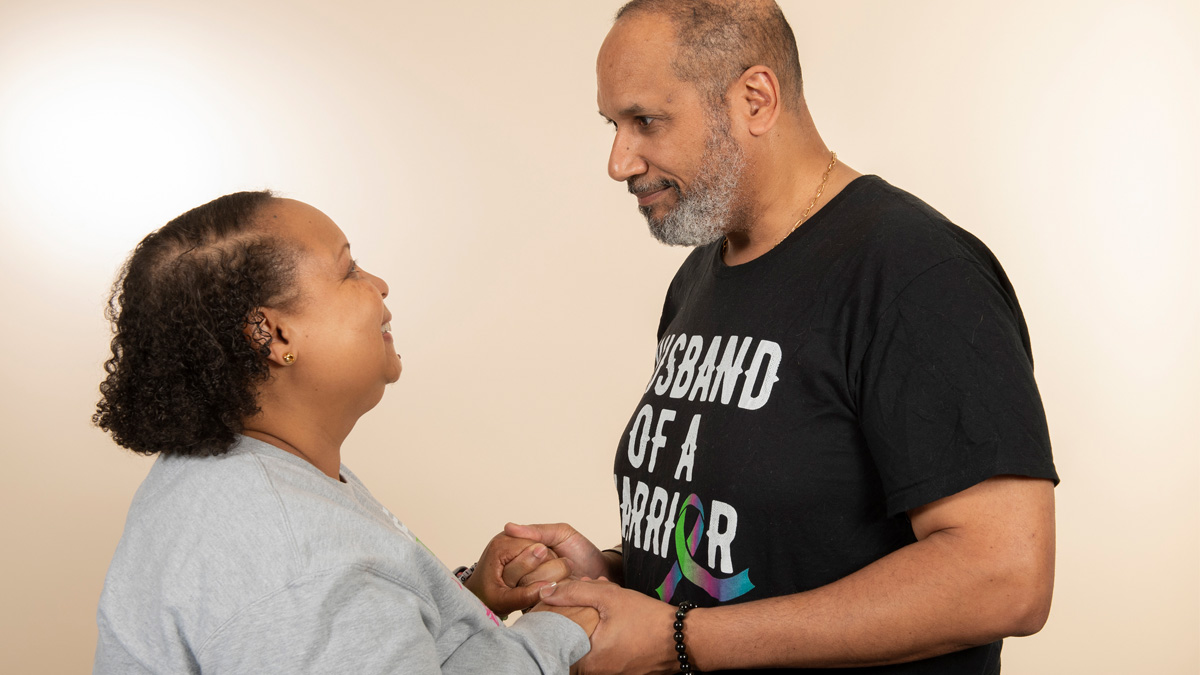
If you are married or in a long-term partnership, a metastatic breast cancer diagnosis can trigger stress about your relationship, your finances, and the future. Your personalities and the nature of your relationship before your diagnosis will play a role in the stresses you might feel going forward.
Because your treatment for metastatic breast cancer is ongoing, talking about it with your partner is important. You both may worry about the future you had envisioned together. Side effects, financial and insurance concerns and time off from work can increase stress. Your spouse or partner might try to “fix” things by taking charge of your care or withdraw because of feeling helpless. Just talking about worries can build closeness.
To lessen stress with your spouse or partner, you could:
- Ask friends for help so your partner does not always need to drive, clean and shop for groceries.
- Try to find even small amounts of time to do something enjoyable together, or to make the most of time you do spend together, such as sitting closer while watching a movie or taking a walk together and noticing how it feels.
- Take advantage of periods when you feel good to have time for physical closeness or intimacy.
- Talk to an oncology social worker for help if you feel stress about sex or intimacy, which many people do.
If your relationship has been rocky, a diagnosis of metastatic breast cancer may add to tensions. Couples counseling may help. Even if your relationship is good, counseling may help the two of you work through the tensions you feel as a couple facing metastatic breast cancer, together.
general_content
Children
You may feel a lot of anxiety about your children. Worrying about how to tell them about your diagnosis and what their reactions will be can cause stress. The stress can increase as you think about possibly not reaching milestones or not being there for them.
Consider what your children need and what you need, which will depend on their age and stage of development:
- Younger children should be given information appropriate to their age, understanding and emotional makeup. An oncology social worker may help with this. If you worry about missing milestones like birthdays and graduations, consider creating a keepsake letter, video or gift for a child’s life event.
- Older children may go online to learn more about metastatic breast cancer, so help them find trustworthy sites.
With adult children, you may feel stress from trying to keep your independence when they want to step in and take over. They may expect frequent updates about your health. Talk with them about what you need and how you can keep them informed. Plan visits that don’t include treatments or chores to help you enjoy each other’s company.
general_content
Parents
Parents respond in different ways when an adult child has a serious medical diagnosis.
If a parent tries to do more for you than you want them to, it can cause conflict and stress. Establish boundaries by telling them specifically how they can help.
If a parent wants to be there but feels uncertain about how to help, be specific in asking for what you need. For example, ask if they can go grocery shopping or help with laundry.
If your parents are elderly and you have been their main caregiver, this can be a complex situation made even more challenging by your diagnosis. It can require planning and discussions with family members and others who are knowledgeable about the situation. You may want to include discussions with siblings or other family members who may be able to take on more responsibilities while you are focusing on your diagnosis.
The social worker at your cancer center can also help by connecting you to caregiver support resources.
general_content
Friends and other family
Some of your friends and other family members may rush in to help after hearing about your diagnosis. Others may stay away because they don’t know what to say or do. Keep in mind that if someone backs away, it has to do with their own feelings of discomfort and is not about you, even if it feels personal. They may start to feel more comfortable as they get used to the diagnosis and what it means for you and your relationship with them. And as many people with a metastatic diagnosis have found, new and unexpected friends may appear.
If it feels right to do so, let others know that you value their presence without needing them to talk or entertain you. Sometimes, just having someone sit by your side can help you feel better.
If you are single or used to living on your own, it can help to have a friend or family member with you for doctor’s visits, day-to-day help, or just talking. You can also find local or online connection through a breast cancer support group.
Your circle of friends may include people with metastatic breast cancer. It can be sad and scary if a friend becomes ill or dies. It also can be affirming to see how she made choices about her care and how her community of friends supported her.
general_content
Healthcare providers
Your healthcare team may add to your stress by not acknowledging your feelings and experiences. They may be too focused on medical issues or be uncomfortable talking about your stresses. Providers are human, too. But you deserve a team that has a positive attitude and supports your emotional well-being.
Try these tips for managing stress with your care team:
- Choose providers you trust and can feel comfortable with in an ongoing relationship.
- Be direct when bringing up topics you want to discuss.
- If there is a sensitive topic you’d rather discuss with a professional other than your doctor, ask to speak with the nurse, social worker, or another care team member.
To gain access to a certain treatment you may decide to go with a doctor whose expertise is first-rate but who doesn’t have a warm personality. Remember that your healthcare team includes nurses, social workers and others who can provide emotional support. And if you are not receiving the support you feel deserve from your care team, it is usually possible to change providers.
general_content
Employers and co-workers
To reduce work-related stress, you may want to talk with your employer and co-workers about the challenges you face. But remember, you decide how much you want to tell people. You don’t have to share details of your diagnosis or treatment if you choose not to.
Your supervisor or employer will need to know if you need any work accommodations or are taking time off to focus on your treatment. Talk with your human resources manager about what health information you may need to disclose and what your options are.
It can help to tell your employer that you may be well for a long time, but that you’ll also be in ongoing treatment. If you want to, discuss reducing work hours or working partially from home. Be sure your health insurance will remain the same if you cut back on hours.
callout
About this page
About LBBC
Reviewed and updated: April 10, 2026
Reviewed by: Jennifer Barsky Reese, PhD, FSBM
Tagged:

Living Beyond Breast Cancer is a national nonprofit organization that seeks to create a world that understands there is more than one way to have breast cancer. To fulfill its mission of providing trusted information and a community of support to those impacted by the disease, Living Beyond Breast Cancer offers on-demand emotional, practical, and evidence-based content. For over 30 years, the organization has remained committed to creating a culture of acceptance — where sharing the diversity of the lived experience of breast cancer fosters self-advocacy and hope. For more information, learn more about our programs and services.