Blogs > Why Sonnetta Jones chose a clinical trial for triple-negative breast cancer

Why Sonnetta Jones chose a clinical trial for triple-negative breast cancer

More than a decade later, she reflects on what helped her decide and what she wants others to know.

image_row
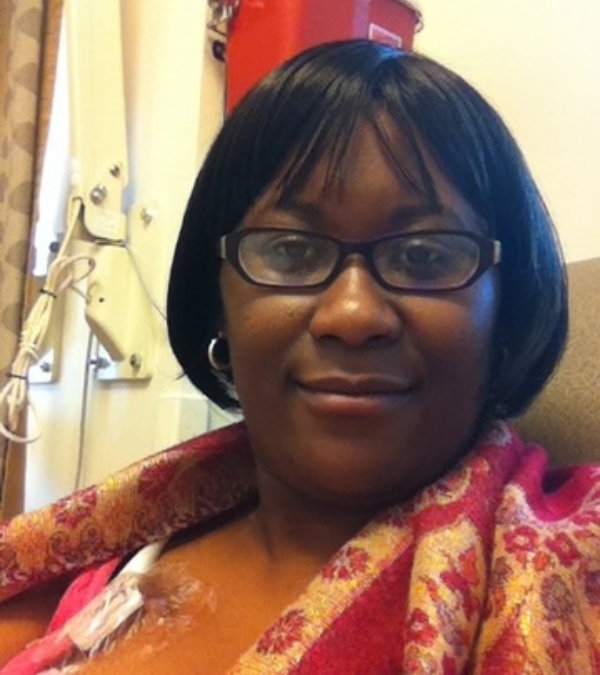
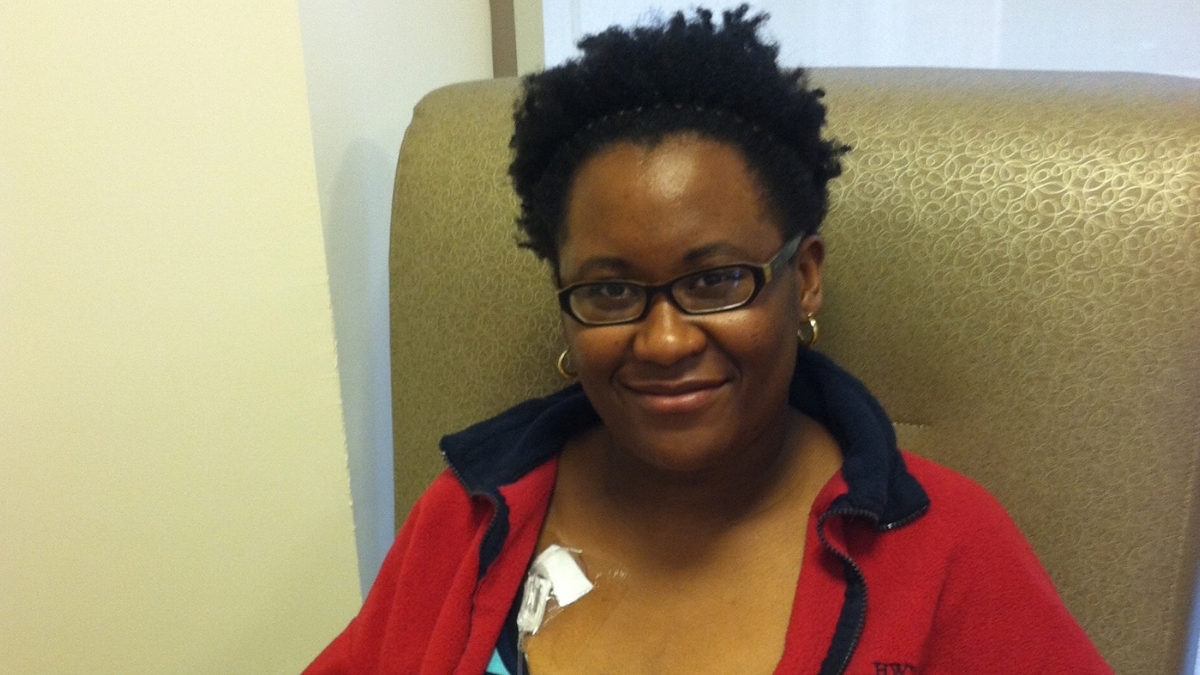
Sonnetta Jones sits in a chemotherapy infusion chair, awaiting treatment.
general_content

Diagnosed with stage II triple-negative breast cancer, Sonnetta was offered a clinical trial studying eribulin in people with early-stage breast cancer. At their first appointment, her doctor recommended the trial because she thought Sonnetta’s tumor might respond well to the medicine.

Sonnetta had questions about participating in the trial. First, she worried that joining the trial might mean receiving a placebo instead of the cancer treatment being studied. She also had a hard time trusting the research process based on historical exploitation of Black people in medical research.

Sonnetta’s care team took time to explain the trial and answer her questions. Later, a magazine article about the low participation of Black people in clinical research prompted her to consider what joining could mean for others as well as herself.

With the support of her care team, Sonnetta decided to participate. Now, more than a decade after treatment, she works as a new patient coordinator lead in breast oncology, helping people who face some of the same questions she once did.

We spoke with Sonnetta about her decision, her treatment experience, and how she thinks about clinical trials today. Her answers have been edited for length and clarity.

image_row
Sonnetta Jones
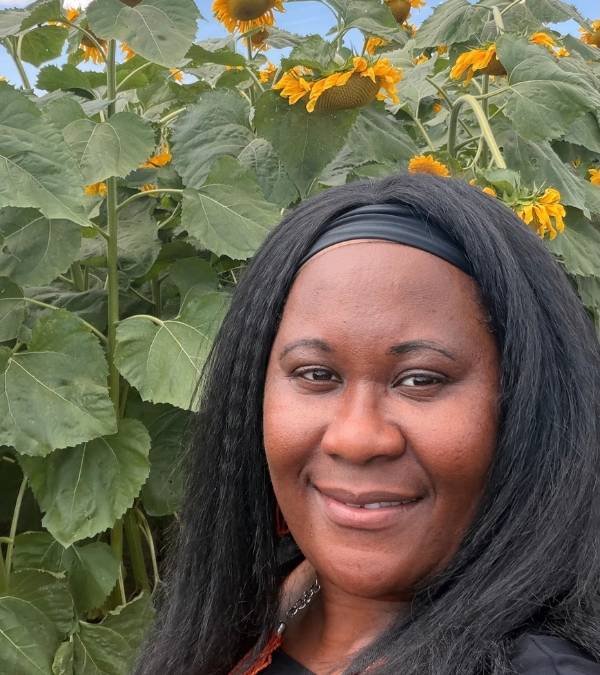
Sonnetta Jones smiles from the tall sunflowers she's encountered.
general_content

Q: What concerned you when your doctor first suggested a trial?

I was nervous. I thought I might be treated with something like sugar water instead of receiving treatment for my cancer. I worried that joining the trial could decrease my chances of living. I wanted to know who would be monitoring me.

My team explained that, in this trial, I would still receive cancer treatment. The question was whether I would also receive the drug being studied. Understanding that helped, but the history of medical research involving Black people were on my mind, too. I knew about the Tuskegee study, where Black men were enrolled in a federally funded study on syphilis. The researchers withheld appropriate treatment and lied to the men about what was happening in the experiment. Many died as a result of their untreated condition. Knowing that history made me cautious about participating in medical research. I needed to ask questions and understand the study for myself.

Q: What helped you feel comfortable saying “yes” to joining the trial?

The way my care team treated me mattered. Even early on, I felt that they were talking about my life and not just a research paper they hoped to publish. My mother came to an appointment and listened, too. My family had recently lost my father and my uncle, and I didn’t want her to experience another loss. My diagnosis came out of left field, and she was devastated. She has always been there for our family, but this was a situation she couldn’t control. She had to take a step back while I made decisions about my care.

At first, she wasn’t entirely comfortable with me joining a clinical trial. As she began to see positive results, she became more accepting of my decision.

Before I signed the consent form, I wanted to understand what I was agreeing to. What were the possible side effects, and how many participants had experienced them? Would I be able to keep working? What would the study require of me?

My care team took time to answer my questions. If someone didn’t know an answer right away but said they would find out and get back to me, I appreciated that. To me, that was transparency.

I took the study information home because I wanted to read it carefully, not just sign something without understanding it.

Then I came across a magazine article about the need for more Black people in clinical research. The timing felt meaningful, and my faith factored into that moment as well. It felt like a sign. I’d been frustrated that research didn’t always represent people like me. I started thinking: If I want that to change, could participating be one way to help?

Q: What was treatment like for you while you were in the trial?

I expected to look and feel much sicker because of how people with cancer are portrayed on television and in movies. Not everyone has the same cancer or clinical trial experience. I had neuropathy, and losing my hair was hard. After my first dose of eribulin, I began to notice my hair shedding. I also experienced nausea. So my doctor had me take Emend, a medicine for nausea, and that helped stop it. She explained that the chemotherapy was likely causing my symptoms.

I was able to keep working. People would sometimes look at me and ask whether I really had cancer because, to them, I looked well. They couldn’t see everything I was going through.

It became clear early on that my tumor was shrinking. Seeing that reassured me about continuing treatment, and I didn’t reach a point where I wanted to leave the trial.

quote_style_1
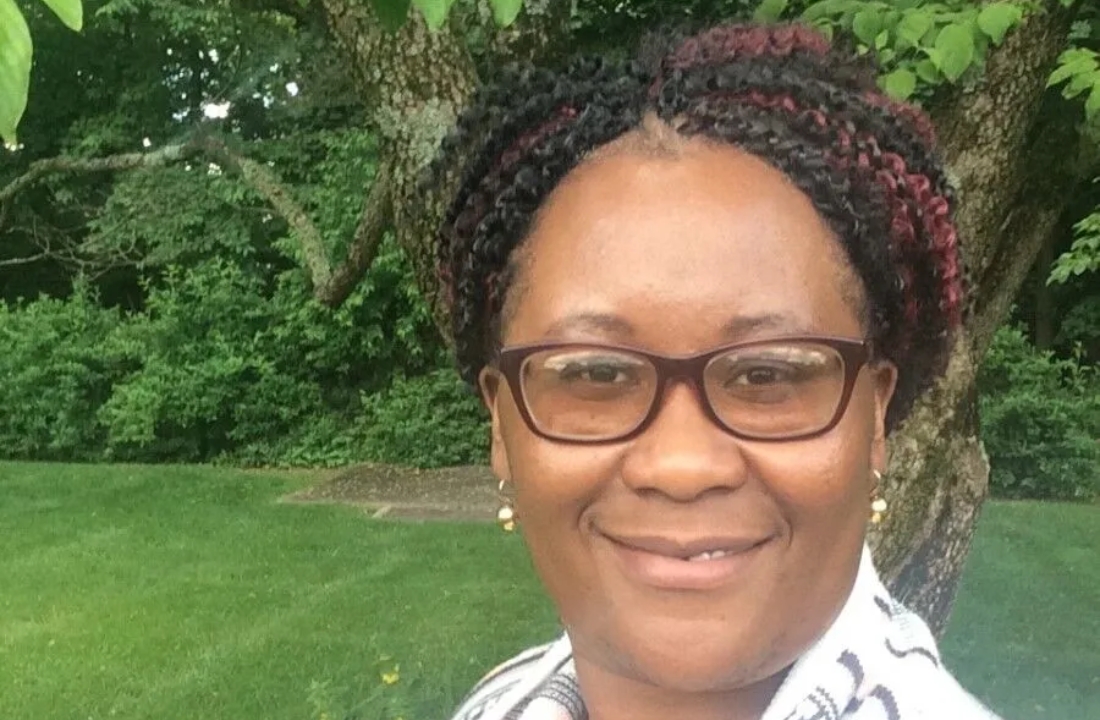
Sonnetta Jones is at peace in a pretty garden landscape.

“How could anyone know whether this drug would work for someone like me if people like me weren’t in the research?”

Sonnetta Jones

general_content

Q: When you think about your clinical trial experience today, what stands out to you?

Today, I’m a new patient coordinator lead in breast oncology. I schedule patients with providers and make sure their information and medical records are available for their first appointments. I also train new employees on the intake process and how we determine which provider is the right fit.

The work has given me a deeper appreciation for the trust patients place in us at a difficult time. I talk with people who have some of the same fears I had, and I want them to know they can ask questions and speak up for themselves. I share resources with younger patients and talk about what I went through during treatment, including the difficult parts.

I also meet people who come to the hospital where I work after receiving care at smaller hospitals because they’re looking for clinical trials. It reminds me how grateful I am that I was offered one at a teaching hospital. And I love seeing patients ask about their options without apologizing for it.

Q: Being a part of research mattered to you then. What does it mean to you now?

At the time, I thought about Black women in history who had done brave things for other people. It felt overwhelming to compare myself with them. Looking back, I realize helping someone doesn’t have to be a huge act. This personal medical choice can help someone.

Someone close to me told me that seeing me participate made her less afraid. She brings up my experience when she talks about clinical trials with others. That stayed with me.

I share my story at work, too. Someone who looks like me can see that I’ve been through the process and am here to talk about it.

If my cancer came back, I’d consider another trial. Back then, I wondered: How could anyone know whether this drug would work for someone like me if people like me weren’t in the research? That still matters to me. But so does trust. My relationship with my doctors helped me make that decision. Without it, I’m not sure how I’d feel.

Q: What should doctors and research teams understand about earning trust?

It’s not enough to ask someone to join a trial. You have to welcome their questions and show that you see them as a person.

Medical and research teams need to recognize their own biases and acknowledge the history of Black people being harmed in research. Be honest about who was included in earlier studies and who wasn’t. Explain why including more people matters. It helps to have diverse teams, too. And listen to people’s beliefs and practices so you can take those into account when you talk about their care.

Q: Is there anything you would do differently before joining a trial?

I would get a second opinion before starting. That’s not because I regret participating. At the time, everything felt urgent, and hearing another doctor’s perspective might have given me another layer of reassurance.

Today, I’d want to know more about who was included in the research and whether it represented people like me. I’d also ask who was sponsoring the trial, what their interests were, and who would have access to the information collected.

Working with a clinical trial team has helped me see how bias can be built into research, even when it’s unintentional. Looking back on my experience has made me a stronger advocate for myself, my loved ones, and patients.

Q: What would you tell someone who is deciding whether to join a clinical trial?

Write your questions down. Ask who has participated in the study and whether the information includes people like you. Ask what researchers know about possible outcomes and what would happen if you decided to leave the trial. I would also ask: If I decide not to join, what treatment would I receive instead? If it’s hard to speak up for yourself, bring someone who can help ask. You deserve a doctor who will listen.

It’s normal to have reservations. Learn what you can and ask the questions you need answered to make your own decision. A clinical trial may not be right for everyone, and that’s OK, too.

disclaimer_box

DISCLAIMER:
The views and opinions of our bloggers represent the views and opinions of the bloggers alone and not those of Living Beyond Breast Cancer. Also understand that Living Beyond Breast Cancer does not medically review any information or content contained on, or distributed through, its blog and therefore does not endorse the accuracy or reliability of any such information or content. Through our blog, we merely seek to give individuals creative freedom to tell their stories. It is not a substitute for professional counseling or medical advice.

callout

Explore your options

Have questions about breast cancer clinical trials?

Like Sonnetta, you deserve time to ask questions and understand your options. Learn how clinical trials work, what participation may involve, and what to discuss with your care team.

Understand breast cancer clinical trials
video
related_resources_article_carousel
callout
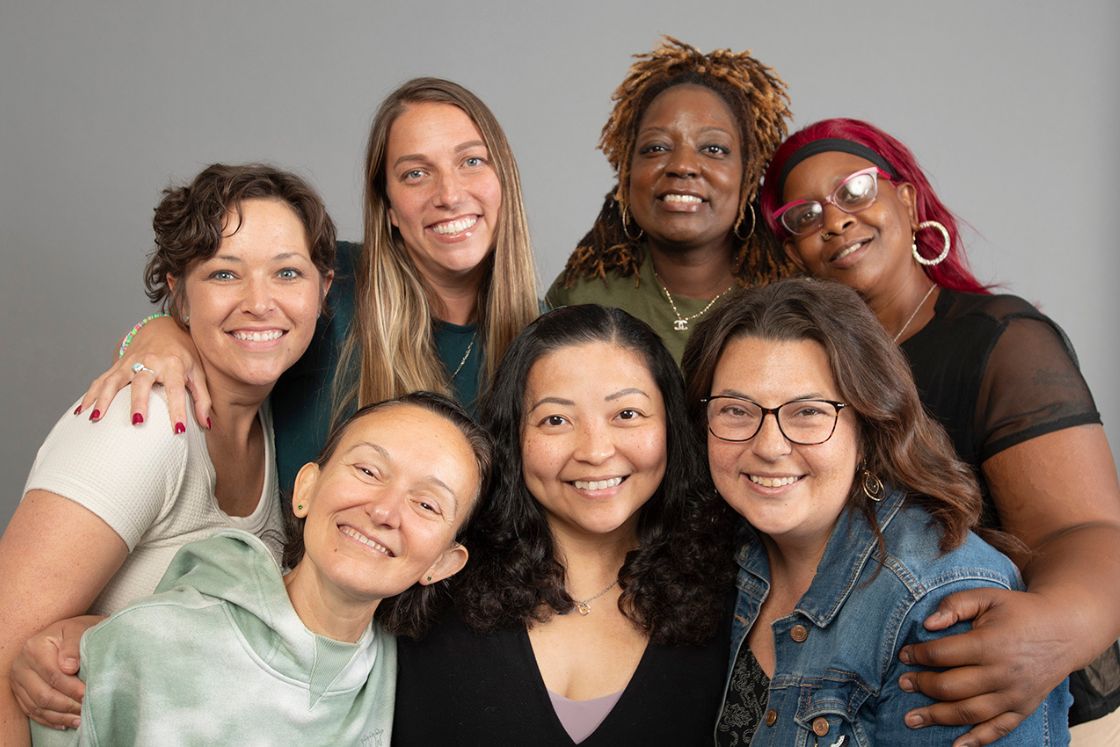
A group of diverse women, all who have metastatic breast cancer, hug and ham it up.

Lift up more voices

Support more stories like this. Monthly donations helps LBBC provide trusted breast cancer information, connect people to support, and share lived experiences that help others feel less alone.

Make a monthly gift
stay_connected

Stay connected

Sign up to receive emotional support, medical insight, personal stories, and more, delivered to your inbox weekly.