
Breast cancer and hair loss
- Medical Review: Meghan O'Regan Coleman, DNP, RN, CRNP-BC, AOCNP, ACHPN
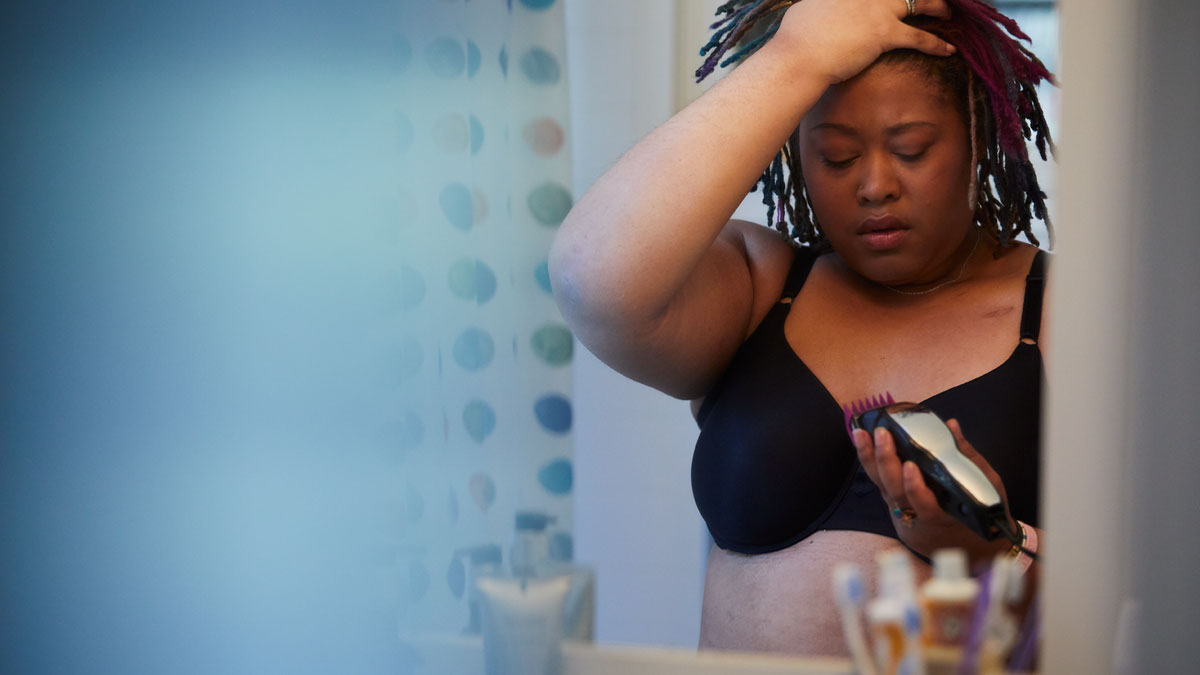
Breast cancer itself does not cause hair loss, but some breast cancer treatments can. If you’re preparing for breast cancer treatment and are concerned about hair loss, you’re not alone. For many, hair loss can be one of the most emotionally challenging parts of breast cancer treatment. Your hair is part of who you are. Losing your hair can feel like a loss of control. There are ways to prepare for and even reduce the risk of hair loss caused by cancer treatment.
Treatment-related hair loss can happen for many different reasons. Chemotherapy kills rapidly dividing cells, including hair cells. Hormonal therapies block or lower estrogen, and as a result, can cause hair thinning for some. Radiation therapy can cause hair loss in the area receiving radiation.
It’s important to know that hair loss doesn’t happen to everyone who has cancer treatment. For most people, hair loss from breast cancer treatment is almost always temporary.
Breast cancer treatments and hair loss
Different treatments can cause hair thinning or loss in different ways:
Chemotherapy
Chemotherapy kills quickly dividing cells, such as cancer cells. Some healthy cells also divide quickly. Hair follicles, for instance, are among the most quickly growing cells in the body. For that reason, they are more likely to be affected by chemotherapy. How a chemotherapy drug affects hair often depends on the selected cancer drug. Not all chemotherapies cause total hair loss. Some may cause hair to thin; others may barely affect the hair. Some chemotherapies affect hair all over the body, such as eyebrows, eyelashes, and pubic hair. The timing and dose of the chemotherapy can also be a factor in how your hair will be affected. Ask your doctor about what you can expect from your recommended chemotherapy and treatment schedule.
For some, hair may start to grow back during chemotherapy. Usually, hair starts to grow back 1 to 3 months after chemotherapy ends. When hair does come back, it could be a different color or texture than it was before treatment. Sometimes it stays that way. In other cases, hair returns to exactly the way it was before treatment.
It’s important to know that permanent hair loss is not usually a chemotherapy side effect, but it does happen. The taxane chemotherapies docetaxel (Taxotere) and paclitaxel (Taxol) have been reported to cause permanent hair loss for some people. Research shows that this is more likely with docetaxel. Research has also shown that scalp cooling can reduce the risk of temporary and permanent hair loss for people undergoing chemotherapy, including taxane chemotherapy. If chemotherapy is part of your treatment plan, ask your doctor if there is a treatment option that does not have a risk of causing permanent hair loss. You may also want to ask about scalp cooling resources, and connect with others who’ve undergone chemotherapy to learn about their experiences.
Hormonal therapy
Hormonal therapy treatments can cause mild to moderate hair loss or thinning because they reduce or block estrogen, which helps hair to grow. Hormonal therapy includes:
- Aromatase inhibitors, tamoxifen, and fulvestrant (Faslodex)
- Ovarian suppression medicines such as goserelin (Zoladex) and leuprolide (Lupron)
- Oophorectomy (surgical removal of the ovaries) for premenopausal women at high risk of developing breast and ovarian cancer because of a BRCA1 or BRCA2 genetic mutation
Hair loss or thinning from hormonal therapy is not as significant as it can be with chemotherapy. When taking hormonal therapy medicines, the impact on your hair will continue as long as you are taking the medicine. Hormonal therapy combined with the stress of a breast cancer diagnosis can affect the degree of hair thinning or loss. Nutrition can also impact hair loss. Not getting enough nutrients, family history, and genetic predisposition to hair thinning can also have an impact.
There are medicines that can help treat hair thinning and loss caused by hormonal therapy and other treatments. Ask your doctor if there are safe options for you. You can also ask whether your cancer center has a dietician on staff to help make sure you’re getting the nutrients that support hair growth.
It’s important to know that hair loss doesn’t happen to every person with every treatment, and the hair loss people experience during breast cancer treatments is almost always temporary.
Targeted therapy
Targeted therapy for breast cancer usually does not cause complete hair loss, but they may cause hair to become thinner, curlier, or drier than usual. As with other drugs, you can expect the effect on your hair to last for the whole time that you take the drug. Not all targeted therapies cause hair thinning or hair loss. Targeted therapies that may cause hair loss include medicines such as pertuzumab (Perjeta), lapatinib (Tykerb), palbociclib (Ibrance), ribociclib (Kisqali), alpelisib (Piqray), talazoparib (Talzenna), and abemaciclib (Verzenio). If targeted therapy is part of your treatment plan, ask your doctor if the therapy being recommended for you can cause hair loss.
Immunotherapy
Immunotherapy uses the body’s own defense system to fight cancer. The immunotherapy drug pembrolizumab (Keytruda) can cause areas of hair loss. While on immunotherapy, hair loss is not always immediate. It can even happen after being on it for a few weeks or several months. These effects usually last the whole time you are on treatment. Once you have completed immunotherapy, the hair usually starts to grow back.
Radiation therapy
Radiation therapy directs high-energy x-rays to a specific part of the body to kill cancer cells. While chemotherapy can sometimes cause hair loss all over the body, radiation therapy causes hair loss only on the part of the body that is being treated. If the radiation is being directed to the breast area, for example, you won’t lose hair on your head. If radiation is being directed at lymph nodes under your arm, you may temporarily lose your underarm hair.
Wherever radiation is being directed, if hair loss happens, it may begin about 2 to 3 weeks after your first session. Hair usually grows back 3 to 6 months after completing radiation therapy. If radiation is delivered in high doses, it’s possible that the hair regrowth in that area may be thinner or may not return at all. Talk with your doctor about how radiation therapy may impact hair in the area of treatment.
Style how-to’s: Choosing your first wig
Shopping for your first wig can be intimidating. With help from wig consultant, Jamie Levin, learn about different wig styles, how to wear and style your wig, and advice on when to begin shopping for your first wig.
What are the symptoms of hair loss?
Hair loss usually does not hurt, although you may feel some scalp tenderness before hair falls out. If you are being treated with a chemotherapy drug that causes significant hair loss, such as doxorubicin (Adriamycin), hair usually falls out 2 to 4 weeks after beginning treatment. With other chemotherapy drugs, hair may not fall out until 1 or 2 months into treatment. Different chemotherapies, and schedules for receiving it, will affect this timetable. Ask your doctor what to expect for your planned treatment.
When hair begins to fall out, you may start to notice hair loss in the shower, or see clumps of hair on your pillow or in your comb or brush. For many, chemotherapy causes hair to fall out at the center of your head (the crown) first, and hair on the sides of your head may not fall out until later. All of your body hair, including your eyelashes, eyebrows, and pubic hair, may eventually fall out.
Hair thinning or loss caused by hormonal therapy happens differently than it can with chemotherapy. The hair loss is usually milder and tends to affect the front of the hairline, and sometimes the crown of the head.
If you are being treated with immunotherapy or targeted therapy, talk with your care team about what to expect with hair thinning, as symptoms can vary depending on the specific treatment.
Beauty tip: Styling head wraps
Alternative to wearing a wig, head wraps are another good way to manage hair loss. Learn tips from patient advocate and makeup artist Patricia Fox about how to keep your wrap sturdy, the different materials you can use, and a few ways to tie and style your head wrap.
Managing hair loss
The first step in managing hair thinning or hair loss is to understand how likely it can happen with your treatment plan. Here are some questions you can ask your care team:
- Does the treatment you are recommending cause hair thinning or hair loss?
- How much hair loss occurs with this treatment?
- What can I do to reduce or manage hair loss?
- When does hair loss typically happen with this treatment?
- When should I expect my hair to grow back?
If your treatment causes hair thinning or loss, it’s important to do what feels best to you, helps you feel confident, and makes you comfortable. When total hair loss happens as a result of chemotherapy, many people find it empowering to shave their heads or cut their hair very short, before it falls out. Others may wait until most of the hair has fallen out before cutting or shaving it. Gradually cutting hair shorter over the course of a few days or weeks helps some people ease into total loss of hair, physically and emotionally.
Here are some ways to be gentle to your hair during cancer treatment:
- Use mild shampoo
- Use soft-bristle hairbrushes
- Use low heat if you use a hair dryer
- Avoid using brush rollers
- Avoid dyeing or perming your hair
- Use a satin pillowcase
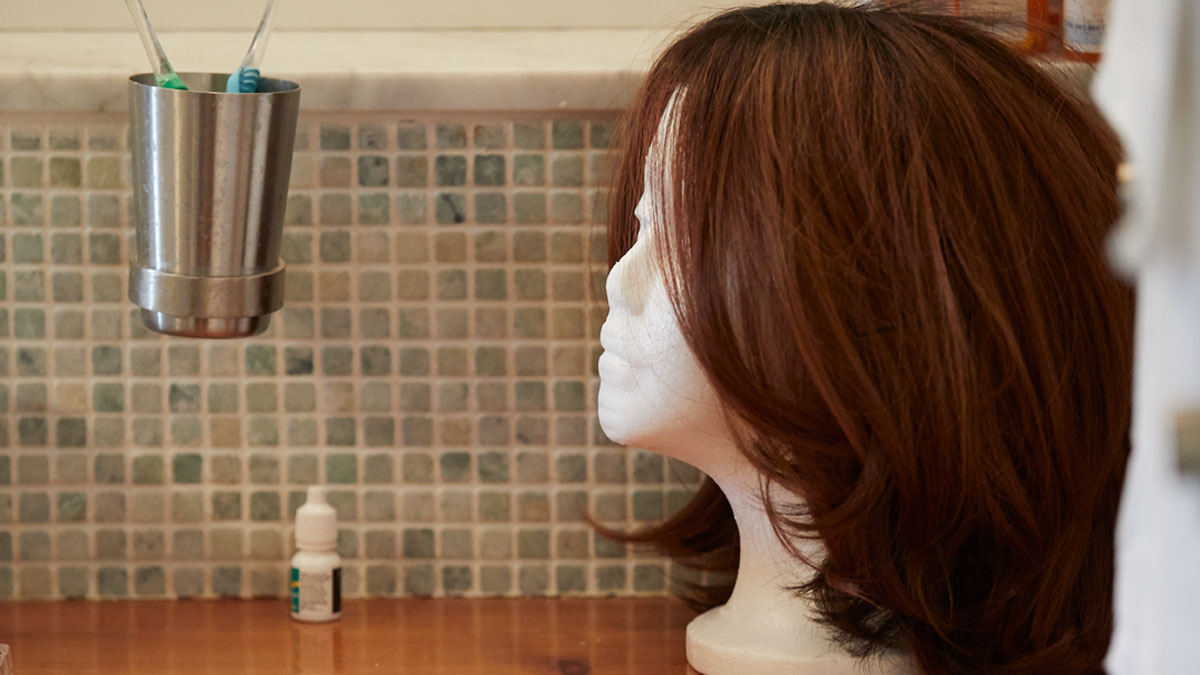
If you choose to use a covering for your head, when your hair falls out, you may want to explore your options ahead of time. You can choose a wig that resembles your natural hair or one that gives you a new look. Other options include hats, caps, or scarves. Many women alternate between all of these.
Heat escapes from the top of the head. Without hair, you may feel chilly at times. If you don’t want to cover your head, it is perfectly fine to go bald—just remember to use sunscreen and have a hat on hand to keep you warm and safe from the sun.
Scalp cooling is a newer therapy that help you keep some or all of your hair during chemotherapy. Scalp cooling involves wearing a cooled headpiece during chemotherapy sessions. As the scalp is cooled, the blood flow to the hair follicles and scalp is slowed. As a result, hair follicles are less exposed to the chemotherapy.
There are two available scalp cooling methods:
- Refrigerated, machine-based scalp cooling systems that keep the cap cold during your treatment session
- Cold caps kept in a cooler on dry ice
Research shows that scalp cooling can help you keep your hair throughout chemotherapy. Learn more about scalp cooling.
Some research has shown that minoxidil (often sold as Rogaine) can help hair grow back faster after chemotherapy. If you’re interested in trying minoxidil, ask your doctor to confirm that it will be safe for you.
It’s important to know that while hormone replacement therapy (HRT) can help with hair thinning in women who are postmenopausal, some forms of HRT have been shown to increase the risk of breast cancer. Talk with your doctor if you have questions about HRT and hair loss. You can also visit the Menopausal symptoms page to learn about low-dose vaginal estrogen, a type of HRT that does not appear to increase breast cancer risk.
Managing ongoing hair thinning
If you and your care team have planned ongoing cancer treatment, or your hair has not recovered from treatment, you may want to see a dermatologist (skin specialist). Some cancer centers have specialists called oncodermatologists (skin specialists for cancer-related issues). These specialists focus on changes to the hair, nails, and skin that can happen because of cancer and cancer treatment. If your hospital does not have an oncodermatologist, most dermatology specialists will understand some of the hair, nail, and skin changes that can happen during cancer treatment. Ask your care team for a referral to a dermatologist who has experience working with hair loss related to cancer treatment. Share the dermatologist’s recommendations with your cancer care team to make sure the plan is safe for you.
Dealing with the emotional impact of hair loss
Hair loss can be upsetting for anyone of any gender. If your hair means a lot to you, losing it can be very upsetting. Even if you’ve never felt that your hair was an important part of who you are, losing it can still be difficult and cause distress.
Hair loss also makes the issue of having cancer more public. For many, it can bring up feelings of vulnerability and bring unwanted attention.
If you’re experiencing sad feelings about hair loss or finding that these feelings are interfering with your daily life, it can help to talk to a mental health professional. Ask your healthcare team to recommend a licensed professional counselor or therapist who specializes in helping women with breast cancer. In-person support groups or online communities may also bring you comfort. It can be reassuring to meet others who know what it’s like, and to know you’re not alone.
Visit these pages to learn more about supportive resources:
Related videos
View allStay connected
Sign up to receive emotional support, medical insight, personal stories, and more, delivered to your inbox weekly.
Reviewed and updated: December 8, 2025
Reviewed by: Meghan O'Regan Coleman, DNP, RN, CRNP-BC, AOCNP, ACHPN
Tagged:

Living Beyond Breast Cancer is a national nonprofit organization that seeks to create a world that understands there is more than one way to have breast cancer. To fulfill its mission of providing trusted information and a community of support to those impacted by the disease, Living Beyond Breast Cancer offers on-demand emotional, practical, and evidence-based content. For over 30 years, the organization has remained committed to creating a culture of acceptance — where sharing the diversity of the lived experience of breast cancer fosters self-advocacy and hope. For more information, learn more about our programs and services.