
Art therapy
- Medical Review: Grace Childers, LAPC, ATR-BC
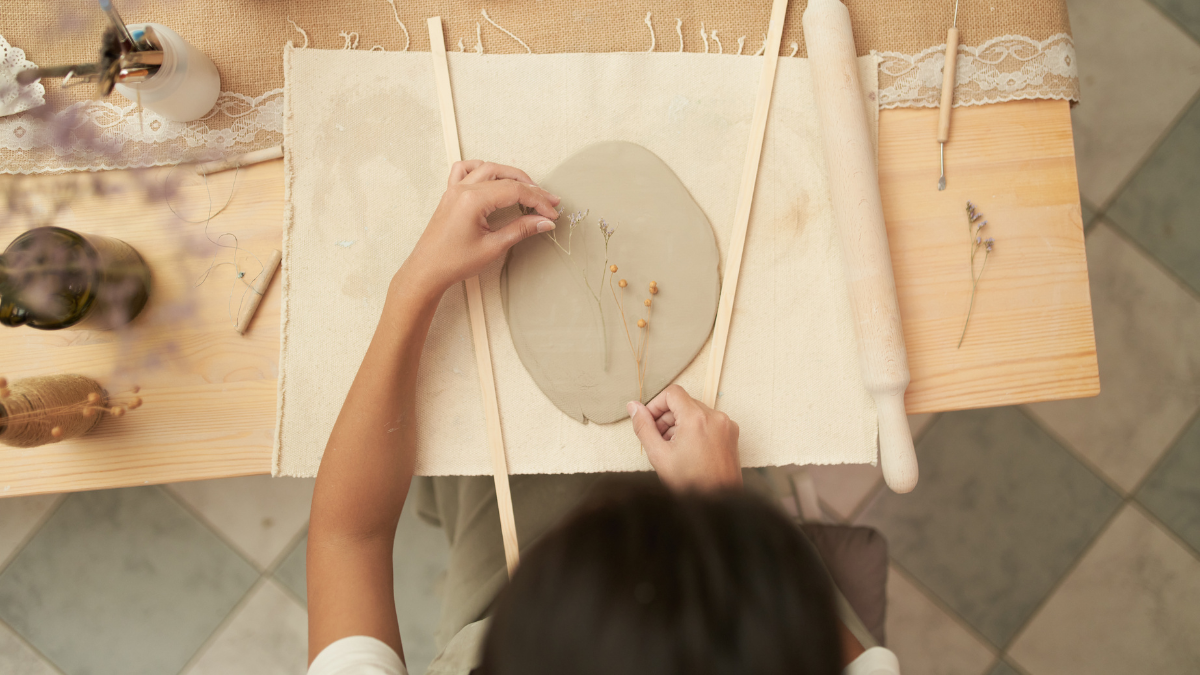
Art therapy is a form of psychotherapy that uses creativity and visual art-making to achieve a variety of benefits, including:
- Emotional expression
- Stress relief
- Relaxation
- Self-esteem building
- Connection with others
This approach to art may allow you to express your experience and feelings in a way that goes beyond words. Art therapy has been shown to reduce both anxiety and depression in people diagnosed with breast cancer.
Art therapy sessions can be conducted privately or in a group setting.
How art therapy works
Art therapists conduct sessions in different ways.
The therapist may give you a prompt or idea to help guide you, or you may choose your own. The kind of art available may depend on where you go for art therapy and what your studio or therapist offers. It can include drawing, painting, coloring, clay, beading, collage, and more.
Whether art therapy happens in one-on-one sessions or in a group setting, the therapist may guide you through a project, or you may be free to create whatever you want.
Here are some types of art therapy that are sometimes available at cancer centers:
- Private art therapy: This involves only you and a registered art therapist, and offers an opportunity to receive counseling and art guidance in a private environment.
- Open studio art therapy: These groups can be drop-in and are often open to patients and families regardless of cancer type.
- Group art therapy: Group art therapy sessions are more structured, with set discussion topics and projects. They also may focus on a particular theme or may be be tailored to a more specific group of people, such as only people diagnosed with breast cancer. Group art therapy brings together others who understand what you’re going through.
If your cancer center offers art therapy, you can contact the center’s social worker or the group facilitator to register.
Some cancer centers may offer your family and caregivers the chance to take part in art therapy with you. Sharing the experience with those closest to you can be a way to connect while sharing your feelings through art. It may also help your family and caregivers express their feelings.
Where to find art therapy
Some cancer centers offer art therapy programs. Ask your hospital social worker or nurse navigator if your cancer center has one, or if there are programs in your local community.
If there are no registered art therapists or art therapy programs in your area, you could consider taking an art class at a nearby community center, community college, or with a private teacher. Simply enjoying art can be a great source of comfort and a way of relieving stress or worry.
Paying for art therapy
Some hospital systems offer free art therapy to patients and families as part of their integrative wellness offerings. Outside of this, the cost of art therapy will vary based on rates set by the practitioner, where you live, and the type of session (group vs. individual).
As with most complementary therapies, there is no standard for whether art therapy is covered by health insurance. Contact your insurance provider and ask a plan representative about coverage.
Stay connected
Sign up to receive emotional support, medical insight, personal stories, and more, delivered to your inbox weekly.
Reviewed and updated: September 23, 2026
Reviewed by: Grace Childers, LAPC, ATR-BC
Tagged:

Living Beyond Breast Cancer is a national nonprofit organization that seeks to create a world that understands there is more than one way to have breast cancer. To fulfill its mission of providing trusted information and a community of support to those impacted by the disease, Living Beyond Breast Cancer offers on-demand emotional, practical, and evidence-based content. For over 30 years, the organization has remained committed to creating a culture of acceptance — where sharing the diversity of the lived experience of breast cancer fosters self-advocacy and hope. For more information, learn more about our programs and services.