
Types of complementary therapy
- Medical Review: Terri Crudup, MBA
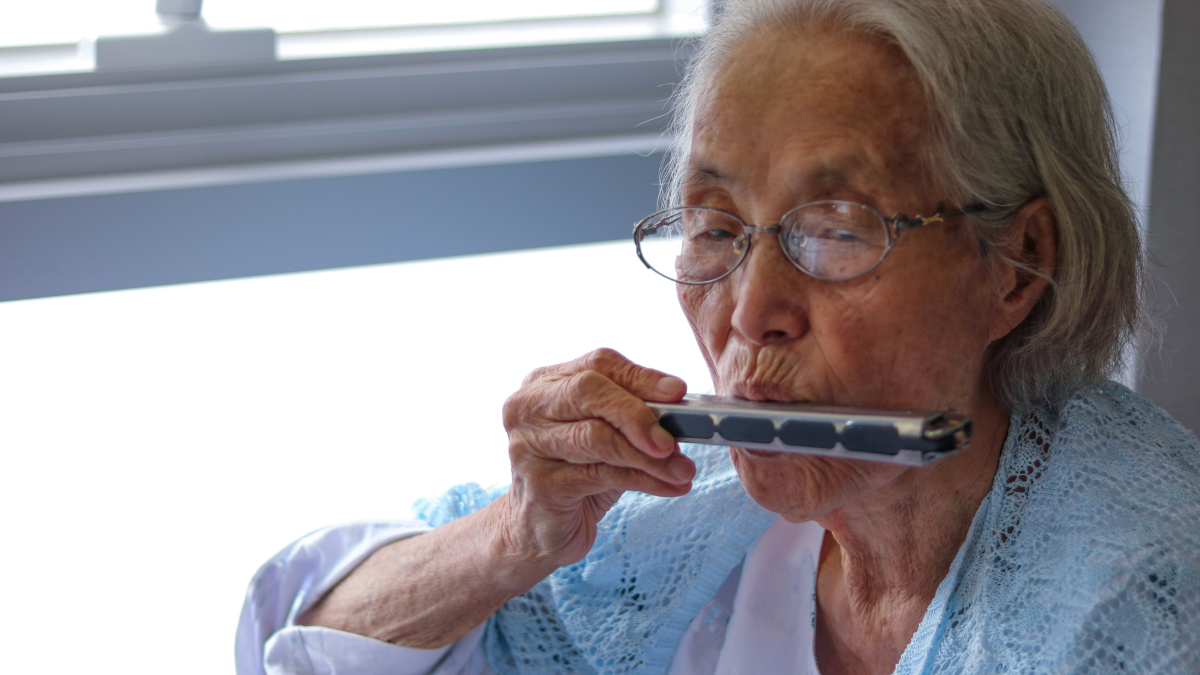
There are many different kinds of complementary therapy. Some types, such as massage therapy, use touch. Others focus on expressing feelings through art. Still others use physical activity, such as yoga or tai chi. Nutrition and exercise can be another approach.
The benefits of different complementary therapies can include stress reduction, improved sleep, and in some cases, improved survival.
Complementary therapy programs are often available at cancer centers, or there may be independent practitioners in your community. Check with your care team before adding any complementary therapies, and then give it at least 2-3 weeks of regular practice to allow the positive effects to be felt.
Your experience may be different from the experience of others you know, and not every therapy suits everyone. You may want to try a few before deciding what works well for you.
Below, you can read about some of the most common types of complementary therapies.
Body-based and energy therapies
Most body-based and energy therapies rely on touch to relieve your body of stress. Some, such as acupuncture, work to balance qi (pronounced “chee”), a person’s vital energy, according to Traditional Chinese Medicine.
Your personal beliefs, personality, and comfort with a practitioner touching your body will impact the therapies you prefer. Some body-based and energy therapies are:
- Acupuncture
- Massage therapy
- Reiki
- Therapeutic touch
- Biofeedback
- Reflexology
Expressive art therapies
Finding a way to express yourself without having to talk about it directly is one way to relieve yourself while doing an activity you enjoy. Creative outlets may serve as a welcome distraction, giving you time to think about something other than cancer.
Depending on your interests and goals, you might choose to explore three common creative therapies:
- Art therapy
- Music therapy
- Expressive writing
Nutrition, exercise, vitamins, and supplements
Nutrition and exercise play a big part in how well you feel and, sometimes, how well your body handles conventional medical treatments.
Integrative medicine programs often address nutrition and exercise as part of their approach.
You and your doctor will also talk about any vitamins or supplements you are taking or thinking of taking. Visit Ask the Expert: Vitamins and supplements for more in-depth information and guidance.
You can also explore the resources below:
- Memorial Sloan Kettering Cancer Center’s free About herbs database
- CancerChoices’ free Supplements and Therapies database
Mind-body movement therapies
Movement therapies are physical activities that people of all skill levels can do. They bring together creativity, strength, mental focus and sometimes spirituality. Most movement therapies share the belief that the mind, body, and spirit are connected to one another and affect everyday stress, anxiety, and happiness.
Some mind-body movement therapies are:
- Qigong and tai chi
- Yoga
Mind-body therapies with little movement
Like other movement therapies, these therapies focus on the mind-body connection. These approaches explore the idea of using the mind and thoughts to increase a sense of physical well-being.
Some mind-body therapies that feature little movement are:
Related videos
View moreStay connected
Sign up to receive emotional support, medical insight, personal stories, and more, delivered to your inbox weekly.
Reviewed and updated: August 23, 2026
Reviewed by: Terri Crudup, MBA
Tagged:

Living Beyond Breast Cancer is a national nonprofit organization that seeks to create a world that understands there is more than one way to have breast cancer. To fulfill its mission of providing trusted information and a community of support to those impacted by the disease, Living Beyond Breast Cancer offers on-demand emotional, practical, and evidence-based content. For over 30 years, the organization has remained committed to creating a culture of acceptance — where sharing the diversity of the lived experience of breast cancer fosters self-advocacy and hope. For more information, learn more about our programs and services.