
A free webinar designed to help people diagnosed with breast cancer better understand menopause, manage symptoms, and feel more confident talking with their healthcare team.
Managing menopause symptoms with confidence
As if breast cancer and its treatment weren’t enough, menopause can bring another layer of challenges to everyday life. Hot flashes, sleep problems, joint pain, changes in sexual health and desire, and emotional ups and downs can all affect your quality of life.
Join us for practical, evidence-based information, real-life perspective, and live Q&A to help you better understand what is happening, explore your options, and feel more prepared to talk with your healthcare team.
Dani Binnington, founder and CEO of Menopause and Cancer, shared evidence-based information and practical tips for managing menopause-related side effects after a breast cancer diagnosis. Oncology nurse and patient navigator Emily Beard, RN, BSN, OCN, CBCN, joined us for live audience Q&A.
What you’ll learn
In this webinar, you’ll learn about:
- Hot flashes and temperature changes
- Sleep and emotional well-being
- Sexual health and desire
- Bone and joint health
- Lifestyle approaches and medication options
- Common questions about vaginal estrogen and non-hormonal options
- How to talk with your healthcare team about symptoms and support
About our speakers
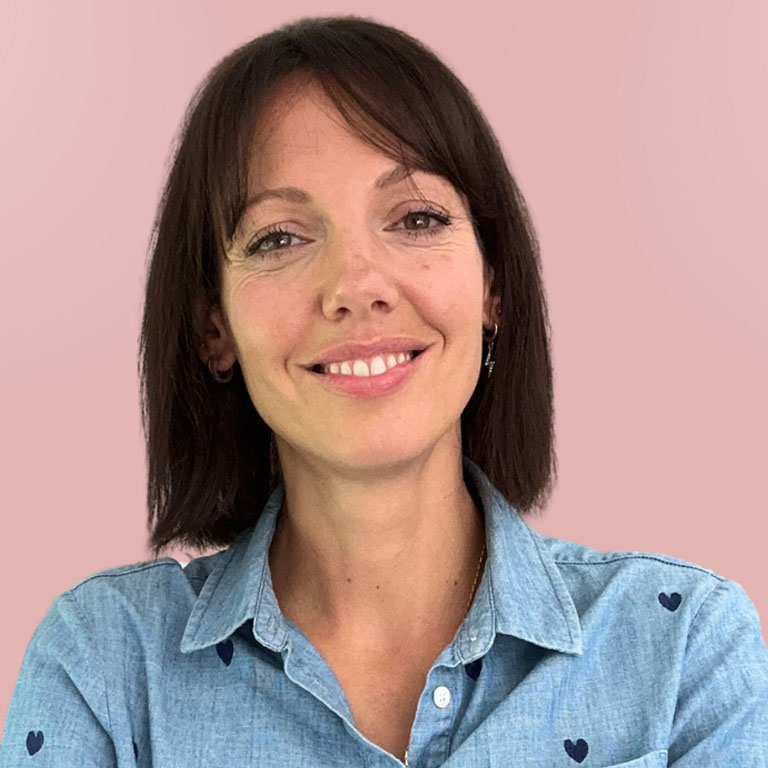
Dani Binnington
Founder, Menopause and Cancer
As the founder of the United Kingdom’s only nonprofit dedicated to menopause after cancer and the author of a bestselling book, Dani brings attention to an important but often overlooked experience. Through Menopause and Cancer, Dani is dedicated to supporting and educating women about their options. Her organization reaches millions through workshops, digital resources, and healthcare training. As host of “The Menopause and Cancer Podcast,” she leads conversations with experts and people with lived experience.
Read more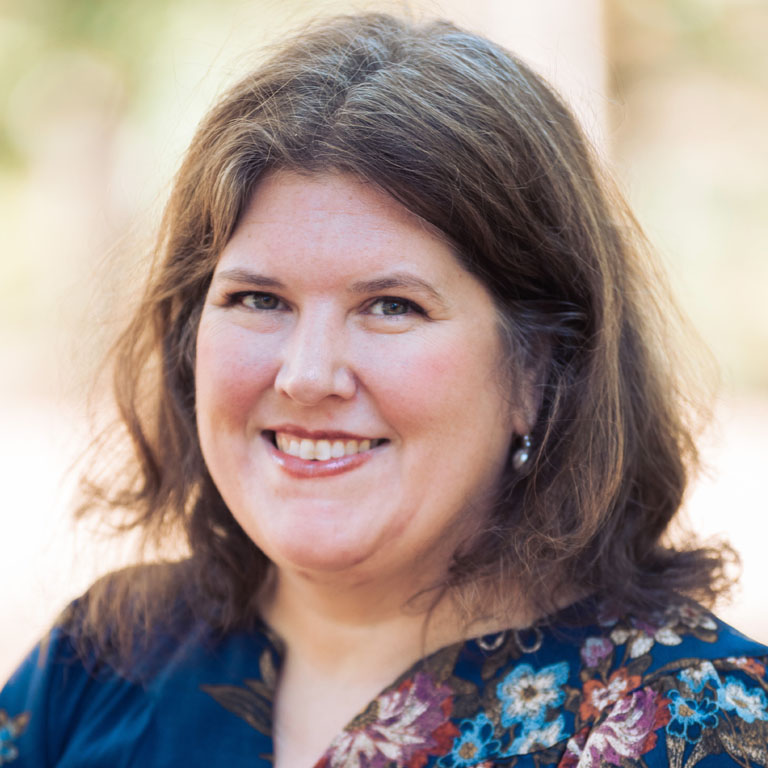
Emily M. Beard, RN, BSN, OCN, BHCN
Oncology Survivorship Navigator, Winship Cancer Institute, Emory University
Emily will join the webinar for live audience Q&A, helping answer questions about symptoms, side effects, care conversations, and support options during and after breast cancer treatment.
Emily Beard, RN, OCN, CBCN, BHCN (she/her) is an oncology nurse, navigator, and recognized expert in cancer survivorship, patient-centered care, and quality improvement. She serves as an oncology survivorship navigator at the Winship Cancer Institute of Emory University, where she develops resources, programs, and services that support patients as they transition beyond active cancer treatment.
Read moreAbout our moderator
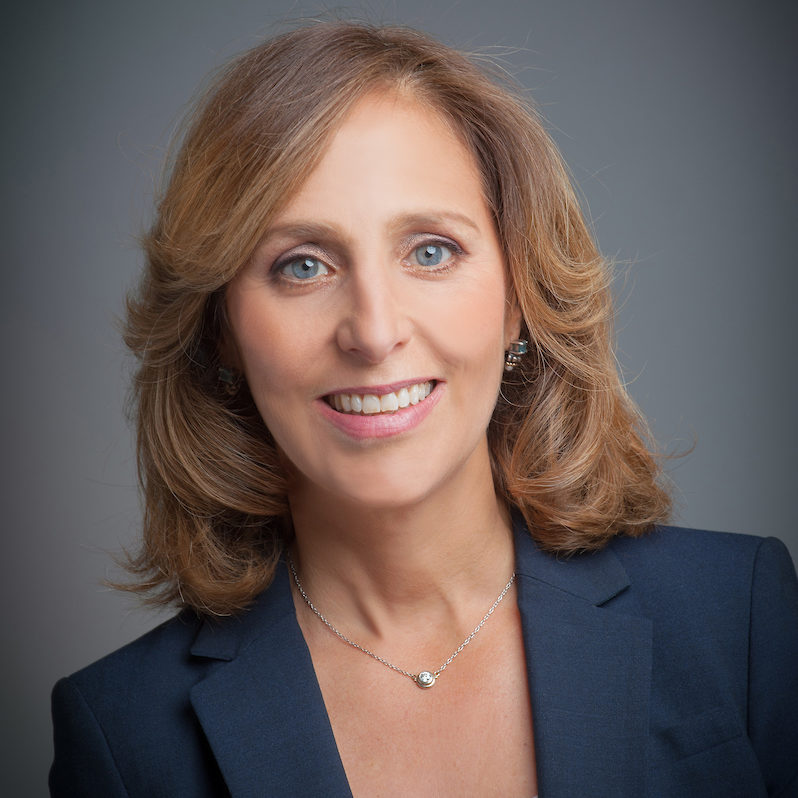
Jean Sachs, MSS, MLSP
Chief Executive Officer, LBBC
Jean has devoted much of her professional career to educating and supporting those impacted by breast cancer. As CEO of Living Beyond Breast Cancer, Jean guides the daily and long-term success of one of America’s most trusted breast cancer charities. She began her work with LBBC in 1996 when she became the organization’s first executive director; she was named CEO in 2008. Jean also represents LBBC on the American Cancer Society National Breast Cancer Roundtable.
Read moreThank you
Leadership sponsor

Stay connected
Sign up to receive emotional support, medical insight, personal stories, and more, delivered to your inbox weekly.
Transcript
Dani Binnington (00:09):
Let’s get straight into it. Why are we here today? We’ve all been affected by breast cancer. And as Jean said, that is a really difficult moment in time and it usually goes on and on and on for a much longer time than any of us really anticipated. And for many people that cancer treatment resulted in them becoming menopausal, or maybe your cancer treatment came afterwards and you were already menopausal before but menopause has somehow muddled itself into your experience. Your menopause transition or experience can be temporary or permanent. You may have physical or mental symptoms or both, and you might feel there isn’t much information or support out there.
(00:54):
Many people say to me it’s actually quite lonely and confusing. People realize menopause happens to them after the active cancer treatment finishes, and then they feel very alone with it all. It often can be hard to know what to do next, what can be your next best step.
(01:13):
I’m going to share with you what lots and lots of people have told me over the years. As Jean said, I’ve connected in person and online with thousands of survivors, and I love nothing more than truly listening to what is going on for them so that we can then create the services that really matter to people and that impact them and benefit them. People say, “I wasn’t offered any help with my menopausal symptoms. I have no idea. Can I take HRT, or hormone replacement therapy, menopause hormone therapy?” They say, “No one mentioned I was going to become menopausal. What alternatives are there to hormone replacement therapy?”
(01:51):
People think and feel that they’re at their wit’s end. They just don’t feel like themselves anymore. They don’t understand how anyone else is managing this cold turkey menopause. They feel they have no options. People feel lost. They’re worried about their long-term brain health, bone health, and heart health. And they’re fed up of everyone out there on social media and on all the big TV programs and news channels talking about how brilliant and important menopause hormone therapy is when perhaps they have been told it’s not their first-line treatment option.
(02:27):
If one of those things or one of those statements resonates with you, then please know you’re not alone. Really thousands and thousands of people have shared similar stories with me over the years.
(02:40):
And I just want to make sure that we all have similar expectations of the next hour we’ve got together. I want to share with you what is in your Menopause After Cancer Toolkit. I want this to be informative, just packed with evidence-based facts. We’re just going to stick to where do we have evidence of the treatments and strategies that work. And I hope that will empower you with the tools that you need to put that into practice for you wherever you are in the world.
(03:09):
Also, it’s lovely that there’s so many of us here, so many people. Initially when I was going through it, I just felt quite isolated. But look at us now. There are hundreds of people in a similar situation, and it’s just fabulous when you find like-minded people when you are navigating something so difficult.
(03:30):
It’s really important we look at the biggest stats and not just our own experience. In 2025, we did some research. Over 1,300 people gave us their feedback, and 90.8% of everyone that we surveyed experienced menopause as a result of their cancer treatment. Seventy-one percent said that they had no idea of the significant impact that menopause would have on them. So if you too have navigated your breast cancer treatment and perhaps that came to an end, and then you realized you’re now menopausal, you feel like 70% of thousands of other people, you may be on long-term cancer treatment for metastatic and secondary breast cancer.
(04:13):
You may also feel like it hasn’t really been addressed, how you could manage those menopausal symptoms. Eighty-eight percent of our community said they did not receive adequate help in managing their menopausal symptoms. Everyone said, “Gosh, my medical team was amazing at helping me treat my cancer. But when it came to menopause, no one said anything.” And 92% of our community feel really isolated in their experiences.
(04:42):
The bigger picture, so let’s zoom out even more: By 2050, 16.3 million people will be diagnosed with cancer globally. And about 40% of everyone under the age of 40 and 40% to 70% of everyone over the age of 40 will be affected by menopause. So we have a huge problem and we really need to do better. We also know that about only half of all oncology providers talk about the menopause. That was research in the U.K. It might be different in the U.S. and other countries. And your experience will be different to those stats, of course.
(05:24):
And now a little bit about me. As Jean said, I’m Dani. My journey really didn’t start with … I never wanted to be a founder of a charity and not-for-profit organization. I was navigating breast cancer myself, and I was then thrown into the menopause. I then set up the menopause and cancer podcast. Really, I was on a quest to try and figure out what can I do about my symptoms and can I find some doctors that know what they’re talking about. And I just wanted to give this microphone to those doctors, and I set up the podcast. It felt quite easy because there are actually a lot of doctors that know a great deal about how to treat menopausal symptoms and long-term health for cancer and breast cancer survivors. And so the podcast has grown and grown and grown. But the more reach the podcast gained, the more people emailed me and said, “Dani, I love your show, but.”
(06:19):
“Dani, I love your show, but.”
(06:20):
“Dani, your show is amazing, but.”
(06:22):
There was always a but. People still didn’t know where to go for help. They still didn’t know how to really talk to their medical providers. And they still felt their medical team couldn’t give them the support they needed. And that’s when I knew I wanted to create free, evidence-based practical resources and support services. And so Menopause and Cancer, our not-for-profit organization, was born to do exactly that.
(06:48):
We actually support people after any type of cancer, not just breast cancer, at any age, and at any stage beyond and through their diagnosis.
(06:58):
I love nothing more than connecting with people, and we’ve won awards for our empowered menopause programs. And the more I spoke to people over all those years, the more I realized everyone’s journey is so different but there are also lots of things we have in common. And it is those things that we can address today so that hopefully you walk away with some answers and practical things that you can implement right after today’s talk.
(07:27):
Then and now, not a single week goes by where I’m not outraged at the lack of information and the lack of support there is for women. And that hasn’t really changed. I believe the menopause conversation is much better now than it was 5 years ago. I believe the menopause conversation for cancer survivors is better. But I still feel that so many women fall through the gaps when it comes to menopause after cancer or breast cancer care. And that is why I’m so passionate to continue to host a global conversation. I’m sitting here and I’m presenting my slides, but really I’m most curious about your experiences. And I can’t wait for you to ask your questions and have them also answered by such an incredible oncology nurse today.
(08:16):
I’m just one of those millions of people. I’ll tell you a little bit about what happened to me and you can compare that to yourself, although comparison is the thief of joy, they say. But we can learn a lot from one another.
(08:29):
I was 33 when I was diagnosed with breast cancer. My twins were 2 1/2 when I was diagnosed and my eldest daughter was 4. Just this month, my eldest daughter turned 18. So you know a long time has gone past since my diagnosis and today. And I know how lucky I am to be here today to share my story but also to work with so many other incredible people.
(08:54):
Initially my breast cancer, I had a triple-negative breast cancer, so it wasn’t hormone sensitive. You’ll all understand a lot about that now. It was treated with surgeries, chemotherapy, and radiotherapy. Then I was sent on my way, but a little bit later, my doctors told me that I’m the carrier of the BRCA1 gene, and you’ll all know the Angelina Jolie gene. And so then I needed to decide what do I do to reduce my risks of more breast cancer. And I had a really higher risk of ovarian cancer as well.
(09:26):
Every woman on my dad’s side of the family passed away from ovarian cancer before she even turned 55. Two of my aunts, my great granny and my granny. So having had my daughters, I knew I wanted to do everything I could to reduce my risks. But I know there will be people here who have a similar gene, maybe another BRCA carrier here, and you might not go for the risk reducing surgeries. So I really just share this of what’s happened for me and what felt right for me. We know these are very personal and difficult decisions to make.
(10:01):
But how my double mastectomy was managed was very different to how the removal of my ovaries was managed. I felt an active participant in removing my breasts and how we talked about it. My doctor said, “Dani, do you want to go flat? Do you want a reconstruction? Do you want to keep your nipples? Or are you going to get rid of your nipples? Or we can have them tattooed on later.” There were loads of choices, and I was an active participant in those choices.
(10:30):
Then when I knew I was getting to around the age of 40, I knew I wanted to have the operation for my ovaries to be removed. And in the U.K., the menopause revolution was blooming. The U.K. is a little bit ahead of the U.S., and we had campaigners and celebrities and celebrity doctors take to social media a few years ago already, a little bit before all of your big U.S. celebrity doctors and everyone came to the conversation.
(10:59):
And I thought, “Hang on a minute. My doctors are saying this is a tiny operation. Why is no one talking to me about the menopause when all of these people on social media and Instagram are saying that menopause is something we need to talk about?” It didn’t add up. I was not given any choices. I was not given a conversation. No one answered me my questions about what about my bones, my brain, and my heart health. I wanted to know how I could support myself after my early, surgically onset menopause after breast cancer.
(11:31):
The worst situation was when I had conflicting advice. I have this brilliant mother-in-law who’s always a bit like, “Come on, Dani, we’re going to get a second opinion and a third opinion.” And one afternoon I had two appointments on the same street in London with amazing doctors. And they both gave me the total opposite advice to how I could manage my menopause after my breast cancer diagnosis.
(11:56):
And that for me was the absolute worst. I was a young woman, I felt educated, and I still had no idea what to do. I became so outraged, and you can probably still hear it in my voice. I was so outraged that I thought, “That’s not fair. I’m going to do something about it.” And that led me on to then finding out what I could do about myself, and setting up the podcast and then the organization.
(12:21):
But we are not here to talk about me. We’re not here to talk about anything else. And I want you to really zoom in on you. I want you to find ways of feeling more empowered and more clear about your options. And I want you to walk away from today’s talk knowing you have plenty of options.
(12:41):
Before we do so, I really want to reinforce that a menopause after a breast cancer diagnosis or because of breast cancer treatment is very different to a natural menopause. Please don’t compare yourself to healthy perimenopausal people. Don’t compare yourself to anyone else that is out there navigating menopause naturally.
(13:02):
If you have been plunged into menopause because of surgery like me, you are becoming menopausal from one moment to the next. That is a huge shock for your body. If you might be on treatments like tamoxifen or aromatase inhibitors, you are medically being induced this menopause. That is very different to someone navigating perimenopause naturally for a long period of time. So it’s really important to differentiate between what’s going on for you and what’s going on for the average person out there navigating perimenopause and menopause.
(13:39):
We also know that if you have perhaps had your menopause induced earlier. Around the age of 51 is your average age of menopause for a healthy person. If this has happened earlier for you, we might also have to talk about our long-term health. What happens to our bodies when we haven’t got these hormones, our sex hormones, (in my case it was) 12 years or 11 years prior to my natural menopause that I would’ve had? How do we look after our bodies for our long-term health as well? There are things that you might experience like physical, mental symptoms, but also our long-term health.
(14:18):
And it’s important that you don’t compare your experience to healthy people out there because we are special and this is a medically induced menopause or a surgically induced menopause. It’s really important we treat it exactly with this because it needs medical attention and treatment and you deserve the best care.
(14:39):
I also want to just reassure you, because a lot changes after having had a cancer diagnosis and a lot changes for a woman navigating menopause. It is actually really normal if you are struggling. You’re not weak for struggling. This is a tough journey to navigate. There is nothing wrong with you for having lots of symptoms. Lots of people say to me, “I should be so grateful, Dani. I’ve survived. I went through chemo. I did all of this. And now, 8 years on and I’m really still struggling. I don’t know if I can do this.” People feel bad for saying these things and for bringing them up.
(15:18):
I would actually say if you are navigating a medically induced menopause, there is nothing wrong with you if you’re struggling. But what is wrong is that you perhaps not have had the support that you need to navigate those challenges and those symptoms. And I really believe we will get to a stage where all breast cancer survivors get this support because they deserve it and they need it.
(15:45):
And now I want you to really focus on you. Just forget everything I was talking about. What matters most is: What is your experience of menopause after cancer? Because there are lots of horror stories out there on social media. You hear of people having 125 hot flushes a day. Other people never had a hot flush, but they have every sexual health-related symptom under the sun. There is no right or wrong. There is no people feel like this or that. Menopause symptoms can affect you physically, emotionally, mentally. And additionally, the medication you may be on, like tamoxifen or aromatase inhibitors, they can also contribute to those symptoms. So it’s a double whammy. It’s like menopause on steroids. And so I really want you to just tune in what is going on for you.
(16:40):
I’m going to just run through all of the symptoms that we know are associated with menopause symptoms. Some you will be very familiar with. And others you might be thinking, “Oh, actually I’ve got that and I didn’t know it was part of menopause.”
(16:55):
It’s mood swings, anxiety, irritability, and low moods. Lack of motivation, tearfulness, loss of joy, reduced confidence. Brain fog, fatigue, poor memory, poor concentration.
(17:16):
A lot of them sound very familiar. You might also be thinking, “Oh yeah, I think I’ve got brain fog. Or is it still chemo brain?” It can also feel really confusing about what’s going on. And lots of our medical advisors and people, and we’ll speak with our fantastic oncology practitioner now. It can be really difficult to figure out what’s what, especially if you’ve just come out of active cancer treatment. It might be difficult to understand what’s what. But for now, I just want you to think what is it that you are experiencing?
(17:48):
Difficulty sleeping. So that’s not being able to fall asleep or waking up at 3 o’clock in the morning and then that’s it. You can’t get another wink in.
(17:57):
Night sweats, hot flushes, low libido or no libido or zero libido. Anytime we talk about sex, people say, “Dani, what is this ‘low libido’? I have absolutely nothing there. I have no interest whatsoever.” Which of course can have a negative impact on your relationships.
(18:17):
Brain fog can have a negative impact on your returning to work. If you’re not sleeping very well, you will feel more fatigued and tired the next day. You might feel much more drawn to sweets and junk food because you haven’t slept very well and you need to get that sugar through your body to keep you going through the day. So every single menopause symptom has a knock-on effect on something else. It’s rarely one symptom exists in isolation.
(18:48):
Headaches, heart palpitations, migraines, tinnitus, feeling dizzy. They’re all very common menopause symptoms. Something like tinnitus and migraines. People don’t often know it’s to do with menopause.
(19:01):
But also changes in periods, vaginal symptoms. So that can be dryness, itching, burning, stinging, bleeding. It could be bleeding upon intercourse. But also your vulva, the skin on the outside can become very fragile, the tissues can feel as if they’re very dry. Some people say, “Gosh, I feel like I’m tearing if I sit on a bicycle,” which of course can make intercourse extremely difficult or almost impossible.
(19:34):
And urinary symptoms. So that can be, you know when you put your key in the lock and you’re suddenly like, “Oh, I can’t hold it. It’s too late.” Or you need to go to the toilet all the time. And then maybe you’re thinking, I can’t empty my bladder fully. Maybe you’ve already had a urinary tract infection, and they can become reoccurring urinary tract infections.
(19:55):
Actually all of those sexual health-related symptoms are part of the GSM, genitourinary syndrome of menopause, because we know this lack of estrogen doesn’t just affect the vagina and the vulva, it also affects your bladder and the urethra. So it’s GSM symptoms all wrapped up.
(20:18):
In the early days, I think they called it vaginal atrophy, which is a terrible word. Isn’t it? I think this whole thing needs a bit of a rebrand because otherwise it’s low libido or loss of this, loss of confidence, loss of libido. It’s quite doom and gloom, but I just want you to focus on what’s going on for you really right now.
(20:39):
Skin changes, dry skin, itchy skin. If I look at my shins, I look like a reptile. I feel like I can’t put enough cream on, and I can’t moisturize from the inside with food. I have really dry skin.
(20:53):
Thirsty, dry mouth. Dry eyes, ears, and nails. And also oral health changes. Thinning hair. Not great because we’re still going.
(21:04):
Weight gain, really annoying. People say, “I’ve done everything right. I eat well, I exercise and I’m just piling on the weight. Is it the medication or what is it?”
(21:14):
Restless legs. Joint or muscle pain. And when we talk about joint or muscle pain, I’m not talking about a little bit of joint or muscle pain. I’m talking about real pain. People have to take paracetamol and medication to get themselves out of bed.
(21:31):
Allergies, digestive issues.
(21:34):
We have a menopause after cancer symptom checker on the website. It’s a free resource. It’s basically a little PDF. Print it out, have a cup of tea, sit down with yourself, and just take note of what’s going on for you so that you can have an informed conversation with your healthcare provider. And they can then really help you in the best way possible.
(21:56):
You now might think I have loads of these symptoms. What can I do now? Who can help? Where do I start? It’s great. Now I know I’ve got 25 menopause symptoms. Dani, what do I do? I think you need a little bit of a plan.
(22:09):
From my experience—and we can talk about that in a moment when we finish and we go over to the Q&A—managing menopause after cancer doesn’t require a this or that approach. I feel your action plan needs to be very individual. It’s often multifaceted. People often need to try a variety of things and maybe multiple things together to find out what really works for you and to give you the best benefit. It is definitely harder to manage menopause after a cancer diagnosis than it is for healthy people. And we know a lot of healthy people struggle. Right? So this can be challenging.
(22:49):
But what can be done—and we’ll talk about that in much more detail—but to sum up, remember my early slides of people saying, “I have no option. I don’t think I can have hormone replacement therapy. There’s nothing else I can do.” I want you to know what these options are.
(23:06):
We grouped them into these bubbles. There is no hierarchy. No bubble is better than the other. It’s what you feel drawn to, what you feel you want to start with, and what maybe you come up with in a little plan with your doctor.
(23:20):
So we have lifestyle options, non-hormonal prescribable options that your doctor can prescribe for you. We have hormonal options, systemic and local. We must talk about that even after a breast cancer diagnosis because not all hormones are the same. There is a whole group of complementary therapies. And of course, community and connections like today are super important.
(23:45):
I’m going to expand on those bubbles just so you have a better idea of all the things that you could discuss with your doctor.
(23:54):
So just look at the exercise-diet bubble. We can avoid triggers through diets and stress, for hot flushes, for example. We know diet and exercise is super, super, super important, and it can really help reduce your menopause symptoms and stress management.
(24:12):
We have a whole host of non-hormonal prescribable options. Just because you’ve had cancer doesn’t mean you can’t have other things prescribed for some of your symptoms. Are they perfect? No. Do they come with side effects? Maybe. But do they also come with possible benefits? Yes. And that is how we need to look at this.
(24:34):
We’ve got a whole host of evidence-based complementary therapy options.
(24:39):
Of course we must talk about local estrogen, and some people may be curious about systemic hormone replacement therapy after breast cancer. I believe you deserve the conversation as a minimum.
(24:54):
All of this is also in the book. It will make sense when you look at all of our resources on our website. They’re all free. They’re all evidence-based. You can look it all up. And what I wanted to do is I just wanted to bottle up the thousands and thousands of hours of conversations with doctors and experts, and I’ve put it all in “Navigating Menopause After Cancer.”
(25:16):
Now, how are you feeling?
(25:17):
I’m coming to the end of my slides. I always want to know how you’re feeling. Has this been helpful? Are you feeling overwhelmed? Are you still thinking, I knew all of that, but what do I do? And we can have this conversation right now. But for me, I’m coming to an end of my presentation. As I said, tune into the podcast, watch our YouTubes. All of our resources are free. You can connect to others through our workshops as well. But you do you. There’s nothing right or wrong in navigating menopause after cancer. You just need to start somewhere. And I truly believe that you can feel much, much better in a short period of time because there’s always something you can do.
(26:04):
All of the information today was not collated just by myself, but I’m very lucky to have worked with so many brilliant doctors from all over the world. That has really helped me shape this global conversation.
Jean Sachs, MSS, MLSP (26:17):
Lots of conversation in the chat thanking you. Just the fact that you’re saying everything you’re saying is so reassuring, validating those feelings. And we definitely have questions which I’m going to get to.
(26:33):
But I just wanted to acknowledge a couple of things. First of all, we do have people on today who are living with metastatic breast cancer, and we know everybody’s an individual here, so some things are possible for some and not for others. So we want to hold that as we respond to questions. We also know that in America, a lot of things are not covered by insurance. And so we know that some of these options might not be affordable. So I think we’ll try as hard as possible to say what are the options that are accessible.
(27:07):
Let’s just start with one of the questions I have, which I think is top of mind.
(27:13):
Menopause is having its moment, long overdue, but if you’re on social media, you may be getting a ton of information about things you can buy, “estrogen’s good for everybody,” all these things.
(27:29):
So I guess maybe, Emily, you could start. What does this mean for breast cancer survivors or people living with metastatic breast cancer? And how do you manage all of this sudden information of all these things you can do but might not be appropriate for someone who’s had breast cancer?
Emily M. Beard, RN, BSN, OCN, BHCN (27:51):
Well, first of all, I want to just say a huge thank you to Dani and to everyone who’s commented because this is such an incredibly important conversation. So first of all, I just want to acknowledge all of the great space that was created with that presentation to ask these difficult questions.
(28:08):
So my first thought, because people text me, call me all the time and say, “Oh, I saw this thing on Facebook.” And that’s always my first spot: Let’s not get our medical advice from Facebook. Sometimes there can be great solutions that are presented to us and that’s how we find out about it. But if you hear nothing else from me today, I want you to hear that this is about a conversation. This is about an individualized, shared decision-making conversation with your provider.
(28:34):
And so the first thing I would say is to do what Dani said, to go down that checklist and check in with yourself about what are my top three, for example, main concerns. And then take those to your provider. And if you don’t have a provider that’s willing to listen, here’s my other take-home message: I think it’s time to find one who does. It’s OK to get a second opinion. It’s OK to go find a healthcare provider that’s more aligned with the way that you are thinking about managing your menopause symptoms, your life. It’s your quality of life. At the end of the day, this is really a conversation about quality of life, and it is very individual. Some people feel very strongly that they want to follow the medical advice that they were given at the time of diagnosis to a T, and that’s wonderful. But there are other people that, through maybe months or years of living with these side effects, find that it’s not possible and that that quality of life needs to be addressed first and foremost.
(29:36):
I would say to take these resources that you’ve been given, to really do a hard conversation with yourself, and take it back to your provider. It may not be the oncologist, but there may be an advanced practice provider. I find that the nurse practitioners and the PAs and sometimes the integrative oncology team, if you have access to that where you get treated, are really a great resource to sit down and talk about symptom management, supportive care.
(30:04):
Palliative care is something that’s available to people at any stage of disease. A lot of people think that that’s equated to hospice, but palliative care teams can be great for symptom management. So if you’re having bone pain, if you’re having hot flashes, if you’re having trouble sleeping, anxiety, these are some of the things that medical supports can be available for as well.
(30:26):
I’ll stop there, but I think the main thing is just to allow yourself to ask the questions and have the conversations. It is wonderful to see that this conversation has increased, and I think it’s put pressure on the medical community to have these conversations more directly and sometimes more proactively. So I think what we’re doing is great, but it’s going to take all of us to continue to have the conversation and continue to validate our concerns and our patient experience because it is really truly about the quality of life that our patients are having.
(31:01):
I think I’m going to stop in a minute, but my favorite story with a patient was about 10 years ago. I had a young woman who was in our practice and she was in her 30s. She had gone through fertility loss, she had gone through hot flashes, she was struggling in her marriage because of her sexual side effects, and she started to cry. She said, “Listen, I know that you want to save my life. I know everyone here wants to have me live as long as I possibly can, but at this point, my quality of life is really poor. And I would rather live with quality of life and have that be the guiding principle than to think about how aggressively I can treat my cancer.”
(31:40):
That was a real turning point for me to realize that the quality of life conversation needs to be where we lead these conversations. So I hope you can find a provider that can do that for you. And I’ll let Jean take on the next question. I see many, many questions.
Jean Sachs, MSS, MLSP (31:57):
Yeah, I just want to add, there’s someone who just put a question in here. Who do you talk to? Is it your oncologist? Is it your gynecologist? So I think we have to remember, at least in the U.S., they stopped teaching menopause education in medical school when the women’s health study came out saying it put women at higher risk for breast cancer, which turned out not to be true. So I don’t want to discount how hard it might be to find someone who’s educated and up to date.
(32:27):
There are places, and I’m not promoting any one of them, but there is a telehealth company called Midi Health that is pretty much dedicated to menopause. They can work cooperatively with your oncologist. They should take your insurance. So I encourage people, if your oncologist isn’t helping you, there are other options, but make sure you’re aware of all those costs because it can be really hard to find someone who is educated.
(32:55):
Dani, did you want to add anything to that?
Dani Binnington (33:00):
Yeah. Someone is actually saying Midi Health has been fabulous for this person. And I think what’s really important to remember at this stage is: Are you at a time where you are ready and you have the energy to do something about this? Because sometimes I speak to people and they’re on their knees when they come to us for support. They haven’t got the time and energy to exercise, their joints ache. They might be a single parent with three children. They might not have worked. It’s really difficult for a lot of people.
(33:29):
And so what I want to say to you is: What do you have energy for? And then I want you to say: What can my medical team do for me and what can I do for myself? And it is always almost both that you need to tackle to have an impaired menopause experience. It’s unrealistic to put all of your hopes into a doctor and think they’re going to fix all of my menopause symptoms and I don’t need to change anything. And it’s too much of a burden to say you are responsible alone to fix it all. So: What have you got energy for?
(33:59):
You know those bubbles I showed of lifestyle and prescribable options that are non-hormonal. It’s really understanding from you. Are you someone who will say, “I don’t want any more medication ever again. I’ve had loads of chemo. No more drugs. I want to go in a complementary way.” Or are you someone that says, “Actually, I’m ready to try some medication until I get back on my feet. I need to help with my mental health. My hot flashes, my sleep, and then I’m ready to start exercising.”
(34:26):
I think the more we can tune into ourselves, that wise person that is somewhere in there, like I’m trying very hard to access her, mine, but the clearer you will be of who can help me and what can I do for myself.
Jean Sachs, MSS, MLSP (34:42):
Yeah. There’s so many questions about people struggling with their sexual health and where do they begin. So I want you guys to both respond to that. But I want to say a couple things.
(34:55):
I think what’s really changed in the last really year or so, maybe just the last year, is that it’s not a hard no. It should no longer be a hard no about hormone replacement therapy. It’s a conversation. It might end up being a no, but it doesn’t mean you can’t have the conversation. And vaginal estrogen is very different. And Emily, if you want to add to that. But for most people, vaginal estrogen is safe, whether it’s cream or the tablets, and it can help with the urogenital issues that Dani was talking about. It can help with vaginal dryness and a lot of other things.
(35:33):
So I would say if you’ve been given a hard no and you want to go back to have that conversation, you deserve to have that.
(35:41):
Why don’t we start with that? And then maybe Emily, you could start with what are some things that have actually worked or some of your patients have used in beginning to address some of these sexual health problems.
Emily M. Beard, RN, BSN, OCN, BHCN (35:54):
Yeah, I think absolutely the conversation is changing. I have seen, myself, over the last couple of years, patients that were given the hard no years ago have been revisiting that conversation. And I think that vaginal estrogen, what we call topical, and not to get too deep into the biology, when we take a hormone—hormone replacement typically is a pill—that’s systemic and all the cells in the body are receiving that. And so the concern for so long was that that increased level of estrogen would feed a cancer. That’s what people were worried about. And the data has been more and more showing us that that is not the case, that this is very complex, that it’s not as simple as it was made out to be. And certainly the research and on the women’s health studies that were coming out telling us the dangers of HRT for so long have done nothing to support us in this conversation now.
(36:55):
So now we’re revisiting those. There’s data that is very easily accessible in “the New England Journal of Medicine” that shows us that patients can indeed safely take estrogen.
(37:06):
I think for patients, like you said, who have maybe heard that in the past to revisit. Now, there are certain circumstances. Someone who has highly estrogen-sensitive cancer, they’re not the right candidate to be taking oral hormones, but there certainly is room for a conversation. Again, individualized, symptom-management focused. There are things like, I have patients that take Estrace creams, they use them prior to intercourse only just to help with any pain or sensitivity. With recurring UTIs, there’s more and more urogynecologists that are recommending low-dose estrogen. So I’ve seen that in practice. It’s very individualized.
(37:53):
And then also there’s a role for using certain supplements for diet. We talked about the dry skin and dryness. And Dani, your skin comment was something I hear a lot. Why does my skin feel so flaky and papery and why do I resemble a reptile or lizard or something? But it’s not just about creams, it’s not just about what we put on our skin, it’s also what we take orally. So there’s patients that have benefited from some of the supplements that are available for hot flashes, things like wild yam and blue cohosh and things like that. I am not in a position to recommend those to patients, but I do encourage that conversation. If you’re somebody who is interested in taking supplements to have a provider that’s licensed that you can talk to about the symptom management, I would encourage those conversations as part of a larger approach. We are not just talking about one stop. This is what Dani mentioned, I love your bubbles because all of those are important. You can’t solve most of what people are experiencing with one of those bubbles. It’s really about a team approach and a complementary or integrative mindset.
Jean Sachs, MSS, MLSP (39:16):
Yeah. We have so many questions, so we can try to go. So Dani, anything to add about sexual health? Something that might be a good place to start? Anything Emily didn’t mention?
Dani Binnington (39:26):
I think we would usually, we would always say start with a moisturizer and a lubricant. So really make sure that you find a skin-safe moisturizer. And you know how I moisturize my face and I put suncream every day? You start to moisturize your vagina and your vulva. It sounds mental. And if anyone had said to me when I was 30, “You’re going to start moisturizing your vagina and vulva.” I would’ve laughed at them, but actually it’s really important.
(39:52):
And also to use a lubricant for any intercourse or self-sex or if you’re using toys or if you have a partner. So it’s really important to start with the basics. You don’t need to smell of roses down there, so you don’t need to wash with lots of soaps that smell of roses. Really simple, clean intimate health routine.
(40:13):
But like Emily said, for most people, that won’t be enough. And a vaginal estrogen is probably what is needed to get you that relief, especially if you’ve got UTIs. I mean, a moisturizer isn’t going to help with that.
(40:28):
The other thing I just want to address, not because I’ve nailed it, not because I know what to do, but there’s a difference between just getting your sexual health in order and in that loss of libido, that loss of motivation to have sex, that loss of maybe to be able to orgasm. That is really difficult. And I haven’t got lots of answers for you, but seeing a psychosexual therapist can help. Doing things differently can help. But it is really difficult.
(40:57):
I just want to leave it at that actually because you could talk for hours about that, but it’s difficult when you’ve had a sex life one way and now suddenly everything’s changed. It can be really hard.
Jean Sachs, MSS, MLSP (41:09):
Yeah, it’s important to be honest. And yes, I agree with the vaginal moisturizers. I don’t know why we’re not told that from the beginning. And there’s so many good recommendations in the chat of products that people like. Obviously the fewer ingredients, the better. So yeah, I think these are all good things.
(41:27):
Let’s move to brain fog because that is another topic that’s coming up both for people, and this is probably in some ways connected to sleep, but not always. Having trouble functioning at work, having trouble functioning in life. So Dani, where do you start in the brain fog area?
Dani Binnington (41:46):
Actually that is one of the harder ones. And I don’t know if you agree, Emily, because for hot flushes, for example, we have some great non-hormonal options now, and they work really well. There’s some newer medications. But brain fog really takes a very strategic approach. It’s very much something that you have to do and be aware of and put almost like cognitive behavior therapy strategies in place to help you navigate it.
(42:13):
Instead of thinking, what can I do to fix it and for it to go away is how can I help myself to live with it better. And I’m sorry if that doesn’t sound optimistic enough. And please, Emily, step in. But I do have brain fog and I do know it happens in presentations like this. And there are a lot of you here. So I’ll have a few one-liners ready if it happens to me. I prepare them, you can prepare them for work situations. I make lots of lists. I externalize my brain. Everything is on a list. My phone has 25 alarms a day to remind me something is coming up. And so I have just put loads of strategies in place and some little tips of what happens because when that happens to me, my anxiety is through the roof, my hot flashes are then like shouting at me. It’s like a knock-on effect. And so I almost prepare myself for if it’s going to happen. And I would’ve said today, “Oh my God, Jean, look, I’m doing a menopause workshop and now I don’t know what to say.” So I would’ve probably had a one-liner like that ready for today, but it didn’t happen today, which is a good thing. Fingers crossed.
(43:22):
But what do you say, Emily?
Emily M. Beard, RN, BSN, OCN, BHCN (43:24):
I think your advice is excellent. It also goes back to just acknowledging the conversation and understanding that you’re not crazy, that this is something that is biologically happening and that there’s a reason for it, and that it typically will get better. I think the data really on cognitive behavioral therapy, a lot of talking, and again, just strategies to address. But also for folks to just know that this is something that is expected. If you go to your providers and talk to them about these concerns, it should be something that can be addressed. And often support groups are great places for that validation, finding somebody that you can talk to about the experience but also some of the true strategies, like you said. Writing things down, alarms, it’s a lot of the same strategies we put into place with folks that have trouble with attention from ADHD or from an organic other problem with focusing or in sleep, as you said, Jean is a huge part of that.
(44:32):
And addressing sleep and hygiene with sleep, we could do a whole presentation on just menopause-related sleep issues. But I think getting to bed early, getting the white noise going, trying to have a routine so that you can relax your thoughts and turn off that chatter that goes on in our minds and the anxiety, addressing any underlying anxiety or depression that may be contributing as well.
Jean Sachs, MSS, MLSP (45:02):
Yeah. I mean, I think what’s hard is there’s no quick fixes.
Emily M. Beard, RN, BSN, OCN, BHCN (45:05):
No, no.
Jean Sachs, MSS, MLSP (45:05):
It’s a lot of different things. You have to figure out what works for you, and that might be really different. There are also a lot of questions and frustration about the weight gain. People who are eating healthy, they’re exercising three to four times a week, they’re on tamoxifen or an AI, and they just can’t lose the weight and they’re gaining weight. We know GLP-1s are out there. We’re actually going to be doing a program on that soon. And so far, the data for people with breast cancer is looking good. Not saying that’s what everybody should be doing. But Dani, where do you start with the weight gain issues?
Dani Binnington (45:46):
I think it’s really important to say it’s really real. Isn’t it? Because there are so many narratives out there saying, “Oh, it’s just calories in, calories out, just eat a little bit less, and you’ll lose it.” And you’re like, “No, it doesn’t work like that” for people after cancer who may be on endocrine therapy as well. It is really hard. And tamoxifen and aromatase inhibitors. People really work so hard and they really can’t shift the weight. So anyone who doubts you and doesn’t think you work hard enough, just ditch them because it’s a real thing. And don’t let anyone make you believe that you’re not trying hard enough. I think it’s really, really, really tough.
(46:26):
And I think what you said earlier, quality of life, but also as a patient myself, I only ever wanted to do everything I can to live a good life, be around for my kids, but also not get a cancer recurrence or for those living with metastatic cancer, you want to be on that treatment, you’re on for as long as possible. Of course. But we also have to weigh out what is happening to us if we are becoming overweight, if we can’t shift that weight, because we do know obesity is also a driver for breast cancer. And so we can’t just think of this one treatment, I have to do everything I can to stay on tamoxifen or aromatase inhibitors. It’s really important to say to your doctor, “Hang on a minute, talk about all of me. With who I am today, what am I doing to reduce my risks of a recurrence or my cancer spreading? What is the benefit of my endocrine therapy for me? And maybe what is my benefit of losing weight?” And maybe the benefit of you to lose weight is actually greater than the 1% perhaps your endocrine therapy is giving to you.
(47:27):
So it’s really important to think of all of you because I think when I go to doctors, they think of one part. My oncologist thinks about the cancer recurrence. The cardiologist, they’re thinking about the heart. They don’t care about my cancer recurrence, it’s the heart they’re focused on. But I am all of me. And so it’s important to weigh all of that up and let someone help you.
(47:51):
I thought for 10 years I have to do it all by myself. Know how to exercise, know how to eat well, know how to manage my menopause symptoms. Why was I so stupid? There are experts, dietitians, there are GLP-1s, there are things we can do. There are people that can help us. Find those people that can help you.
Emily M. Beard, RN, BSN, OCN, BHCN (48:10):
Yeah. And I will say as a navigator, I think that is exactly what we are available to do is help you come up with that individualized plan. And typically it’s about prioritizing. What are your top three? What are your top five? It may be a list of 30 things that we’re eventually going to get to, but we want to go through and help you. If weight gain is the concern, I mean, we think about hot flashes and sexual side effects being a symptom of our treatment, so is metabolic syndrome. We put people into a metabolic syndrome often with these medications because they change your biology in a way that does not help you lose weight. It makes you more likely to gain. And that’s a very complex process. Again, we could go through a whole webinar on just that in and of itself.
(48:57):
But the fact is, again, validating that this is very real and that part of the lifestyle approach, part of the survivorship approach that is becoming more and more popular is that we’re not looking to have one appointment once a year with our patients to say, “OK, this is what you need to go forth and handle all of this.” It’s more about putting together a team, and it may involve an exercise physiologist, it may involve a dietitian, it may involve a coach, like a cognitive behavioral therapist. It might involve multiple people to help you get to whatever the goal is. And so if it’s losing 10 pounds or if it’s losing 70 or 80 or even 100 pounds to reduce your risk but also improve your quality of life, then let’s figure out how we can help you get there.
(49:43):
I think the main thing with that is that there are solutions. They may not all be right for one person, but I think we can really individualize care and support people in their long-term goals. I think what we’re really talking about is coaching each of you individually to come up with a plan and find a team that can help you address it. And to just be validated in the fact that these are real issues that many, many women with breast cancer are experiencing every single day.