
Survivorship/Thrivership: Living well at every stage
- 10/03/26
In this keynote from the 2026 Living Beyond Breast Cancer Summit, Monique Gary, DO, MSc, FACS, explores what it means to live well after a breast cancer diagnosis whether you have been recently diagnosed with early-stage breast cancer, are currently in treatment, are years past treatment, or are living with a metastatic breast cancer diagnosis. Watch the video, listen to the audio recording, read the transcript, or download the presentations below.
Transcript
Monique Gary, DO, MSc, FACS (00:00:09):
I’m Monique Gary, and it is one of the joys of my life to be able to participate in the advocacy work that I do because, as a surgeon, I see so much of it, and I take it home. I don’t know if that your doctors take it home with them to their kids’ practice, to their dinner tables, to their nights when they can’t sleep, but we do. And to be a part of these advocacy conferences and the advocacy work is so meaningful for us because it gives us a place for that to live and it gives us a role to advocate for our patients outside of the exam room. So that’s some of the best things that I get to do. And I’m honored to talk about this particular topic, which is living well after a breast cancer diagnosis. So I’m going to start.
(00:01:02):
Here we go.
(00:01:04):
I’d like you to close your eyes. If everybody could close your eyes, because in this room there’s many starting points. Right? There are people who are recently diagnosed. There’s some people who are maybe years beyond treatment. There are folks who are in active treatment. There are folks who are living with metastatic disease.
(00:01:24):
If your eyes are closed, we don’t have to look around the room, but if you would like to raise your hand. If you’re newly diagnosed, you could raise your hand. If you’ve been diagnosed and you’re in what they call survivorship, you could raise your hand. It’s been years beyond your treatment. If you’re metastatic and living with metastatic disease, you can raise your hand. If you’re in active treatment right now, maybe raise your hand. And if you open your eyes and if you had seen what I saw, if you kept your hands raised, every single person, nearly every single person in this room would have their hand raised.
(00:01:57):
It matters because in the definition of survivorship, it’s not just a destination. You don’t pull up your car and park at survivorship anymore than you drive down the road and hit 476 and pull up to Still Rise Farms and park at wellness. Doesn’t quite work that way.
(00:02:15):
I’d like you to think about, and I tried to do a word cloud, but technology hates me. One word that you’re feeling right now, one word. And when I talked to my patients this week, those words were I feel anxious. I feel worried. I feel excited. I feel frustrated. I was on a panel yesterday and a young lady said, “I feel rage. This wasn’t supposed to happen to me.”
(00:02:41):
Whatever that word is, hang on to that word because I want to ask you again at the end of this talk about that word.
(00:02:47):
But what you should know is that NCCS back in 1986 defined this term survivorship, or they defined a survivor as anyone living with cancer from the moment of diagnosis through the rest of their life. That has been the definition of a survivor since 1986. And that was deliberate because it pushed back on the idea that you only had to survive it once and then you’re declared that you’re cured. We all know that’s not how this works.
(00:03:17):
And not everybody likes that word survivor. Some people prefer the word thriver. Some people like to say they’re living with cancer, and some people don’t want to call it anything at all. And there’s space for all of that. While I’m using that definition, and I’m using it as survivor because I want you to know that that term is all encompassing and that when we talk about everything I’m going to cover from symptom management to emotional care to planning for life after treatment, all of that should start at diagnosis. Somebody should be talking to you about that from the beginning and not save it for the end.
(00:03:53):
I want to ask you something. Which topic matters most to you? And this was supposed to kind of pop up one at a time, but is it managing side effects of treatment? Yep. Fear of recurrence and emotional health. Intimacy? Relationships? Body image? Yep. Nutrition, exercise, staying healthy, or E: Why do I have to choose? It’s kind of E, right?
(00:04:15):
This is why it’s so important because care that treats one piece in isolation really misses the rest. And this is why survivorship as a topic and these frameworks are covering several domains. Physical effects, psychosocial effects, surveillance, all those things fall under the umbrella.
(00:04:32):
And there are seasons just like we have entered the season of autumn or fall. And so the seasons of survivorship, we’ve got the acute season, diagnosis and initial treatment. We’ve got the extended season. Treatment ends, maybe. And then your care team sort of drops off and you hit that 5-year wall that I know so many people talk about and they said, “I felt so supported. And then it was like, ‘All right, we’ll see you in 6 months.’” Or, “See you in a year.” Or you’re done, and that team’s gone, that blanket, that support’s gone. Or maybe for you it’s permanent and this becomes chronic and it’s lifelong living with some of the effects and the memory of what happened.
(00:05:09):
All of this is part of the equation, and there are effects that can linger. Not everybody gets these and many of them do improve, but we talk about the effects. Fatigue. How many of you can say at one point or another you were dealing with cancer related fatigue? Yep. Neuropathy, it’s a thing. Whether we minimize it or just write another prescription for it, it is something that people are dealing with and living with and trying to navigate, and there’s not enough education and support around it.
(00:05:40):
Maybe it’s memory and focus. And I don’t think I realized that as much until I hit menopause and I’m like, “Oh, it’s like this?” And now I know why my grandmother went through all eight kids’ names and two other grandkids to get to mine because I’m in my office and I’m talking to my staff and I’m like, Michelle, Eric, nope, nope, not you. And I don’t even have cancer to blame. What’s my excuse? But the memory loss, the fatigue, the focus. So many of you are saying, I’ve been diagnosed with adult ADHD. Is it? Or have we really underdiagnosed and undertreated the impact of the treatments that you’ve gone through? Where does that line start and stop? Does it have to? As long as we address it, as long as we treat it. And now we are. And that’s really important.
(00:06:27):
Heart and bone health have taken center stage because we know that the impact of both the treatments that we do in the acute phase and the longer-term treatments of blocking estrogen can have real effects on the heart health, on the bone health.
(00:06:41):
Management of sexual health. It’s not enough to just say, “Well, I’m alive and that’s great and I should be grateful for that.” You should be living and you should be living well. And that means you should be a sexual being. You should know intimacy. You should know and have a space to be vulnerable. And thanks to Jean, I have those lovely memories of carrying a box of … we’ll call them props. And if she invites me back after this talk, we may have props again in the future. Doctor After Dark.
(00:07:14):
But let’s talk about some of the therapies that lower risk. And you can see this list hopefully. You got endocrine therapy. Endocrine means blocking or adding or modifying hormones. It’s for our hormone receptor-positive people, 5 to 10 years. There’s a lot of data showing that 5 years maybe isn’t enough, but there are also some good assays and you should ask your doctor this. Do I need extended endocrine therapy? Is 5 years enough? How do we know? Are we guessing? I don’t want to go on another medicine for another 2 years because you sort of think so. There’s some studies. We can do the math. Maybe 3 years is enough for you, especially if you are family planning. If you are thinking about fertility and talking to an oncofertility specialist. There’s data showing that you might be able to go on antiestrogen therapy for fewer years and still reap that benefit and still have that baby. Are we talking about that with our doctors? Maybe, maybe not.
(00:08:07):
CDK4 inhibitors, you’re higher risk, hormone positive, you’re HER2 negative. You’re on these for 2 to 3 years and these come with their own set of side effects.
(00:08:15):
The PARP inhibitors, we’re in the age now of precision oncology, meaning we don’t just write out the script for what we think works based on all the historic studies, we look at your genes. We look at your DNA. We look at your genetic footprint. And we know now that there are drugs that may work for that.
(00:08:34):
And the HER2-directed therapies. HER2 positive, you’re going to be on the Herceptin, the Perjeta, some of these other drugs. And now we know so much more about something called HER2 low. Ask your doctor, “Is my HER2 negative or is my HER2 low? And does that matter for my treatment?” So lots to consider, lots to think about.
(00:08:55):
But when side effects make it hard to continue, the conversation that you want to have with your doctor isn’t that, “Oh yeah, I stopped that 3 months ago.” And then you show up at the 6-month interval and the doc’s like, “What’s happened here?” It’s a conversation!
(00:09:08):
Maybe we switch to something different. This one caused itching, this one maybe doesn’t. This one caused joint pain. Maybe this one feels like just sort of morning achiness, but I can get through my day. Maybe I take it every other day. Maybe I can de-escalate the dose. And that is something that we know now there’s good science behind it. So if you are on therapies and you’re contemplating stopping those therapies, I would encourage you, talk to your doctor about that because there might be something we can do for that.
(00:09:33):
What about acupuncture? We know acupuncture for joint pain can work. And let me tell you, if you ever had acupuncture, which I did for joint pain, it also helped my sleep. It also helped my skin. It also helped my… I’m like, “Man, this is great.” It really can make a difference in many ways because the body is connected.
(00:09:51):
Exercise and strength training. This is huge. The American College of Surgeons and the Commission on Cancer just said and made a mandate last week that exercise isn’t a nice to have, it is an essential component of any comprehensive cancer program. They just put it in writing last week. Because of you. Because you kept asking us, “How should I move my body and how come no one’s being prescriptive? And why are there no resources? And how do you tell me to take 10,000 steps when I can only take 500? How am I supposed to go from couch to 5K? Where’s the instruction for that?” And there wasn’t. And so you’re driving change through your advocacy.
(00:10:27):
Nonhormonal hot flash medications. If you’ve ever had a hot flash, and like I said, I didn’t realize how bad they were until I started having them because my patients would come and they’re like, “Oh my gosh, my head, my hair’s on fire. I’m at the ball game and you can see the steam coming from my head.” I’m like, “Oh, how bad can it be? Put an ice pack on.” It’s bad. It’s bad. And there’s a lot of conflicting information about what to do and whether or not hormone replacement therapy can be right for you. So there are a lot of nonhormonal, a couple of really good hot flash medications, things that can help with that. But if you don’t ask, your doctor might not recommend it. Because they’re going through their checklist, they’re pulling up your imaging, they’re going through whatever the things are, and hot flashes might not make the cut in that 15-minute appointment. So you got to bring it to the forefront.
(00:11:17):
Pelvic floor therapy. How many of you know the pelvis has a floor? And it matters. It matters for urinary function. It matters for sexual wellness. It matters for bowel function. It matters for overall bone and strength and everything. So pelvic floor, pay attention to it.
(00:11:36):
But if the side effects have you thinking about stopping, talk to the team.
(00:11:39):
And then we got to talk about this because it’s very important and it’s something I challenge our system and I challenge all of you to talk about sex before cancer because as beautiful as that moment feels for my patients when they maybe finish what they perceive as the acute phase of treatment and they’re like, “All right, going out. I’m going to live my best life.” If you didn’t enjoy sex before cancer, well, it’s kind of hard to expect you to go out and have the best sex of your life after cancer. If nobody talked to you about intimacy and erogenous zones and the fact that your skin’s going to feel hypersensitive and where are those erogenous zones if you don’t have nipples. Right? What else do we do? What feels good to you? Let’s talk about the power of touch and intimacy.
(00:12:25):
If we aren’t having those conversations, it becomes a little sticky and a little tricky, but your doctor should ask about it. I know I do, and my patients are always very taken aback because I’m direct. I’m like, “Oh, how you doing? Are you getting laid?” But you know what? A little bit of laughter and maybe a little bit of vulnerability, and it at least opens a door for a conversation. And it doesn’t mean I have all the answers, but it means that that’s important enough for me to bring it to this safe space and that you should feel safe enough to bring it too. So if your doctor’s not asking, then maybe you make them feel a little uncomfortable. Aren’t you going to ask me about that doctor?
(00:13:01):
Your homework, your mission, should you choose to accept it is to make your doctors feel uncomfortable and ask them about sex. And see how many have a good answer or a good resource because if they don’t, there’s some really good resources with LBBC. They have some resources for us. So that’s your mission.
(00:13:16):
Body image. I’m sorry, let’s go back. Desire, arousal, we covered that, but body image. At every phase of treatment, sexual wellness is challenged. Men get counseled about sexual dysfunction with prostate cancer. About 80% of men, either at onset or at some point through their treatment, they talk about this. About 27% of women have a conversation with their doctors about sexual function at any point in their treatment. And whether it’s surgery and scars, whether it’s radiation and hypersensitivity or numbness or pain, tightness and stretching. Whether it’s medications that cause some side effects that are not just relegated to the chest. Vaginal dryness. All of those things are part of that equation, but the body image, yourself, how you see, how you feel, and how you perceive yourself are things that somebody should be talking about. And we can have more conversations about those.
(00:14:07):
And then there’s this one. Every headache, every time your big toe throbs, you’re worried about what if this is that. How do we move beyond that? Do we ever move beyond that? Or how do we put that in proper perspective? And that’s a key question that you should be asking and should be reinforcing as a part of your survivorship journey because the anxiety is there because something dropped into your life that you couldn’t control, you didn’t ask for, you can’t quite manage. You don’t have the control over all the therapies and all the things that are happening to you. And I tell my spouses, I say, “Listen, on the drive home, if you don’t take the same route you’ve always taken, she is going to roast you because every little thing matters. If you take a left turn, ‘Why’d you take a left turn? We always take a right turn.’”
(00:14:52):
We’re micromanaging the things that we can because something happened outside of our control and it manifests as anxiety, as sleeplessness, as being short with people. And so there are ways to really talk about how to put this in perspective, cognitive, behavioral, mindfulness approaches. I was in the office on Monday, no Wednesday, and box breathing with a patient. And it’s her scans this month. And she walked into the building and she came into the exam room and she said, “I don’t know why I’m crying. I’m cancer free, and I got to get my scans this month.” I said, “Because your body remembers what happened in this space, in this room. It remembers when you parked in that parking lot and when you walked in and the news you got and the treatment you got.” And even though your mind says, “I’m OK,” your body’s like, “Something’s not right here.”
(00:15:37):
So we talked about some breathing techniques, and we did them together. And I explored and shared with my vulnerability. I said, “Box breathing makes me anxious. I get air hungry, but let’s try this together and let’s see how this works.” And we talked about some pharmacologic agents, and we talked about getting ourselves in the right frame of mind for our scans and how we’re going to get through October. She said, “I’m just going to ignore everything pink.” I said, “I support that for you. Good luck with it, but let me know how that works out.” I said, “But I’m very interested to see how it works out for you.”
(00:16:05):
But my point is that knowing what to report, knowing what to expect helps with anxiety. And so your doctor should be talking to you about this. Call your team. You got new symptoms that last over 2 weeks, something that is persistent, something that is a change from your normal, whatever that is. So maybe the first conversation is what’s normal for me to feel.
(00:16:26):
I talk a lot with my patients about feeling, for example, after radiation, you’re going to feel these little sharp shooting, stabbing pains. I call them zingers. And we normalize that because then you don’t feel like, “Oh gosh, when I get that little stabbing pain that something’s wrong. Oh, Dr. Gary said that was going to happen. And she said they’d be fewer and far between. So if they’re now more, then that’s something I want to bring up.”
(00:16:47):
So asking your doctor, What should I expect? What should I look for at home? It’s a really great conversation to have. Skin changes, bone pain, breathlessness. And a lot of this is from the treatment itself. Because things like Herceptin can impact the ejection fraction, how much the heart pumps out. Those should be reversible. So if you finished your HER2-directed therapy and you’re still a year out and nobody sent you to a cardiologist, you should be seeing a cardiologist. Right? We should be doing some blood work. We should be checking for anemia.
(00:17:19):
Your telling your symptoms is not complaining. It’s helping us to know what we need to work up. And how do we channel this stuff I’m feeling, this anxiety, into something actionable? That’s your question. That’s the transition. And that’s the shift that you’ve got to make because that’s the shift that then will motivate your doctors to make that same change. Because if you’ve got five different complaints, but we don’t have a sense of how long, what’s different from normal, what’s related to the treatment you had, then we’ve got to do some untangling there.
(00:17:50):
So bring to your next visit fatigue that’s not improving, changes in mood or sleep, worry that’s taking over your days, strain at work or home. Who’s not having that, right? But it’s a question of, Can I get through my day? Can I sleep through the night? And I always ask my patients, are you sleeping? Can’t get to sleep, can’t stay asleep. Which one? What have you tried? What worked? What didn’t? There’s a conversation to be had there because there are natural things, there are holistic things, there are pharmacologic things, and sometimes the pharmacologic things are a bridge to better days. Especially as we get into the fall, seasonal effective disorder is real.
(00:18:25):
I need for you all to know that if you are feeling depressed, and you got your… I mean, these lights are like SAD lights right here, and I hate that they call them SAD lights, but seasonal-effective lamps. They have these lamps and light bulbs to help with elevating mood during this time. You’ve tried that. You might have your ashwagandha gummies or whatever else you’ve tried and if it works and if it doesn’t, hey, don’t knock them. They’re really good. But talking to your doctor about an antidepressant, there is no shame in that. And perhaps that is a bridge through the fall when it gets dark at 2:00 PM and the days are shorter to get you to spring when the days get longer and it’s OK. Let’s get you some rest. Let’s get you some sleep.
(00:19:06):
The end of treatment. We get to that point, and it can feel like you’re losing your safety net. And I know my patients experience this because when I look at my surveys and results, this is probably the number one thing that they say is that I hit that 5 years or that whatever mark and all of a sudden my team, it changed and the people dropped off and I didn’t get as many phone calls and I felt like I didn’t have that safety net.
(00:19:31):
The visit space out and what fills that space in between is probably something that medicine can never fill. It’s community, it’s movement, it’s meals, it’s mindset. It’s all of the things that exist in the space of wellness. So you’ve got to find and source those resources and those resources are available for you here today.
(00:19:53):
Where are we going with this? We talked about all the stuff you’re experiencing and women have been experiencing for the last 60 years, but what’s getting better? What’s changing? I want to talk a little bit about that, because now we know exercise as a prescription.
(00:20:11):
I will write a prescription for my patients for movement, for exercise. And now you can’t take that to a pharmacy. They’re not going to give you exercise. It doesn’t come in a capsule form yet, but it tells you that this is valuable enough that I need to prescribe something for you and I want to know how it’s working and how often we’re going to be doing it. So referrals to things like rehab, PT, lymphedema are super, super important. Exercise, cancer exercise is in the building. Raise your hand. And you should be talking about this with someone who’s certified in it because there are resources for you. So exercise is changing.
(00:20:49):
Symptom tracking. Track the symptoms. And when I say track, and I don’t mean, How long has this been going on? “Oh, a little while.” OK. A few days, few weeks? “A little bit now.” That could be hours, months, that could be years. Give me some details. Keep a journal. And this is something where AI may be helpful for you. I know everybody’s using AI in a lot of different ways, but tracking symptoms and managing these sorts of things, if you start to log them, they will tell you, “On November 22nd, you had this and a week later and it was better and you slept better because you did this.” And there can be tools. Agentic AI might be a great tool for you. And I think hopefully we’re going to talk a little bit about that today. But AI as a tool for support, as a tool for logging is a really good idea.
(00:21:34):
Lymphedema surveillance. Everybody’s heard of it. Everybody’s afraid of it except the doctors who minimize it, and we’re all like, “Oh 2%, don’t worry about it.” It matters. And having a plan early, knowing that there are both tools and there are more scientific ways of both measuring lymphedema, managing lymphedema, and there are whole teams and programs to help support that is something you should be asking your teams about. It’s something that we should be bringing to you. That referral should be automatic. And if you didn’t get it, ask about it because it can help.
(00:22:06):
Coordinated care, oncology and primary care teams share a plan. A social worker is part of that team. Psychosocial support is huge. Navigation is huge. Financial navigators. LBBC’s got some great resources for you. And so I say all of this to say that in years past when women grappled with these things, we didn’t really know where to go and we didn’t quite have the words. Now we have the words and we don’t always have the resources at the cancer centers, but the advocacy groups are filling in the gaps. And so bringing these things to the forefront I think is super important.
(00:22:42):
Financial burden, yeah, it’s getting more expensive. The more precision that happens, the higher the cost. And so we got to do a better job. And I’m going to call, as Ricky says, I’m going to call my baby ugly. The healthcare system has to do a better job of asking these questions, but there’s a lot of information you get in that binder when you hear those words, “You have cancer.” And maybe you go through that whole binder and maybe you don’t, but I bet you something’s in there about financial navigation. And if it isn’t, these are conversations that we definitely want to have.
(00:23:15):
So the care is changing, and ASCO, the American Society of Clinical Oncology, in 2022 gave us guidelines for what we should be doing. So there’s no excuse. If you ask about something like exercise. What should we do?
(00:23:28):
Let’s talk a little bit about when is less safe. What are the standards of care? And there are resources for you to know what the standard is so you don’t have to guess if your doctor’s suggesting something that you’re like, “Oh, my friend had stage I and they didn’t have to do this.” Your friend’s cancer probably isn’t the same, but we’re getting to the point in 2026 where we can kind of de-escalate some things.
(00:23:53):
We know now that 5 years ago everybody got their lymph nodes checked and they probably had big cuts under their arm and they may have had five or six nodes taken out and now we might take out one and now we might not take out any. It doesn’t mean that you’re getting less. It means that the standard and that the science has changed, and that’s a good thing. And so talking to your doctors about that. Skipping sentinel node biopsy, and that was from the SOUND and the INSEMA trials. We found out that it was OK to maybe not do lymph node surgery or check sentinel nodes in women over the age of 65 who had little tiny tumors that were so slow growing, they die of old age before they die of metastatic cancer. So maybe we don’t need to make that cut. It’s a good thing.
(00:24:34):
Radiation. Some of you have had it, some of you will have it, some of you will not have it, and you will be given a choice. How do you know? How do I know which one? Ask your doctor. And ask the doctor, if I were your sister, if I were your mother, if I were your aunt, if I were your loved one, what would you do? Because that’s the real question. And what’s the data from the TAYLOR, from the PRIME trial?
(00:24:57):
So skipping radiation for some older patients and then chemotherapy. It’s not enough now to know your ER, your PR, and your HER2. If you don’t know those things, you should ask your doctor that. It’s a good starting point. But now there are entire arrays of genomic testing that we can do that tells us how likely cancer is to recur in breast, how likely it is to spread somewhere else in the next 2 years, the next 10 years, how likely we are to respond to endocrine therapy or a pill alone versus chemotherapy.
(00:25:25):
All of that’s science now, and it’s personalized science. And so it’s really important for you to be involved, but it also stresses the importance of clinical trials because that data was based on people who were in those trials and not everybody was represented in those trials. So when there are opportunities for you to be counted in them, we need your voice. We need your DNA. The answer to cancer is in your genes, but we need your genes so that we can give you more precise medicine and less toxicity.
(00:25:54):
Let’s talk a little bit about pregnancy after breast cancer. This is an area that when my fellowship and my training, we didn’t learn very much. So we’re talking about 15 years ago. Pausing endocrine therapy. This is what I was saying earlier, and this came out in 2023. Our good friend Anne Partridge. Pausing endocrine therapy to try for pregnancy did not raise the short-term recurrence risk. And so for folks who are newly diagnosed and you’re young and you’re in those family planning years, there might be some options for you. There’s a whole conversation to be had about it. Every hospital does not have an oncofertility specialist, but we’ve all got resources and we’ve all got ways to connect you to those. But if you don’t ask that question and your doctor’s trying to get through your surgical plan and your this and your that, the question of fertility might not come up. But it should every single time.
(00:26:43):
Research to watch. Here’s where it gets really interesting. What’s coming down the pike: ctDNA blood tests. How many of you have heard the term ctDNA? The CT, circulating tumor cells. It’s little fragments, and the best explanation I can give you is like this. If you make a pot of spaghetti and it bubbles up and you look on your stove and you see the red specks, that’s the ctDNA. It’s an indicator of what’s happening in the pot. And so we’re getting to the point where we can now do studies to detect recurrence early.
(00:27:17):
It’s not yet standard of care, but many of you have been offered tests like Signatera, right? There are others, Saga, there’s lots of different ones. Some looking at ctDNA and minimal residual disease, you’ll hear all these terms, but we’re getting to the point where we can now predict recurrence a little bit better than just sort of the static numbers. Because for a 35-year-old hearing about the 5-year survival isn’t good enough anymore. We want to know about 10 years, 15, 20 years, 30 years.
(00:27:47):
Your doctor has some answers. We got more questions than answers, but at least we’re asking the questions.
(00:27:52):
Exercise as treatment, I cannot stress this enough. Improved disease-free survival in the colon cancer trial, the BeWEL trial. And like I said, this is now in the CHALLENGE trial in colon cancer, but BeWEL showed that there was an opportunity to increase overall wellness, to have improved disease-free survival, and the breast trials are going on right now. So if you get offered a chance to be in a trial, don’t just think clinical trials are drug trials. There are exercise trials, there are sleep trials, there are nutrition trials. So the opportunity to participate in those things and to see that data and to be a part of that movement exists for you right now.
(00:28:28):
I think that’s a really important part of survivorship, right? It’s empowering to say, “You know what? This crappy thing happened, but let me get involved and let me see if we can make some different standards and make some things change and make things better for me.”
(00:28:42):
And then symptom science, new approaches to joint pain, neuropathy, memory, hot flashes. I want you to know … giredestrant and there’s another drug. I got the name of it. It’s on the tip of my tongue. Thank you, menopause; I can’t remember it. But we’re getting better, and we’re getting better because of you. And that I think is the most empowering thing.
(00:29:04):
HRT, hormone replacement therapy. You’re going to have a talk on sex and sexual wellness by the best in the field today. The keynote this afternoon is incredible by Dr. Rojas, and she’s going to talk about HRT, so you’re going to get your questions answered. But what you should know is: Don’t jump on the bandwagon, the pellets, the this, the that. It’s very, very personalized. But there are more options than ever before for hormone replacement therapy.
(00:29:31):
The FDA label, the box warning, was revised in 2026. Breast cancer history is still considered a contraindication, but again, this is changing. ASCO says systemic HRT remains off the table, but ASCO has been and will be revising this yet again. And the 2026 consensus urges shared decisions because the evidence isn’t settled.
(00:29:54):
Vaginal estrogen very likely will be recommended, approved, and currently is in active use for you. Even if you have had hormone receptor-positive breast cancer, you may be able to use vaginal estrogen to improve your quality of life, to decrease your urinary symptoms and to improve your sexual wellness.
(00:30:11):
Talk to your doctor. Don’t just assume this is as good as it gets, because it gets gooder and you deserve it.
(00:30:21):
We talked a little about exercise, the weight loss, the BeWEL, the coaching. This is where great groups and opportunities like Living Beyond Breast Cancer and our cancer nutrition coaching comes in. It improves weight and function. The recurrence results are pending.
(00:30:37):
GLP-1s are a hot, hot topic right now, linked to better survival in observational studies. Observational does not mean that it is tried and true and that it has been studied as a therapeutic for that intervention. But what it really speaks to are some of the things that we’ve known all along. Obesity increases inflammation. Inflammation can lead to endocrine disruption. Endocrine disruption can lead to cancer. And so by modulating some of those things, we may be seeing the results of that with decreased recurrence. So don’t everybody run out and get a GLP-1, but know that the science is catching up and that there’ll be some good conversations happening and hopefully some good plans for how to reduce the risk of recurrence through metabolic management. So metabolomics is the topic of the century right now.
(00:31:26):
Diet, Mediterranean diet style, that trial did not lower recurrence, but it did improve overall survival. It does have a role for managing and decreasing recurrence across many cancers. And so that’s something for you to take away and something to think about that Mediterranean diet.
(00:31:46):
Here we go. Vaginal estrogen, reassuring data on tamoxifen, more caution with aromatase inhibitors. The Danish cohort, I think about 8,600 postmenopausal women with ER-positive breast cancer, no higher recurrence. So if you are having frequent urinary tract infections, significant dryness, decreased libido, talk to your doctor about those things. But then outside of the pharmacologic realm say, “Hey doc, what else you got for me?” Because if your doctor’s anything like me, we got a couple tricks up our sleeve for dryness, libido, sleep, all the things that weigh into an intimate experience beyond just the sort of mechanics of it. Because we know for women it’s a lot different than just dryness. There’s a lot more that goes into intimacy and a lot more that goes into sexual satisfaction. So we got to work on all those things because you can’t have good sex if you’re exhausted. And no matter how much lube you use, if you’re dehydrated. … So there are some basic things that we can work on there as well.
(00:32:45):
The vaginal laser, you’re seeing a lot of things on social media, TikTok. Those lasers have not really shown significant long-term benefit. I think in the scope of my practice, I’ve had maybe three or four patients who have gone through repeat laser therapies with some short-term benefit, but very uncomfortable and very expensive. So I’d be cautious there.
(00:33:13):
So thrivership in terms of living well while treatment continues, I think is an important distinction. Because some of us will go from early stage and we may develop metastatic disease, some of us were metastatic de novo and we started out that way. And so survivorship doesn’t look like I finished treatment and I get to ring a bell. October maybe isn’t an exciting time. And there’s space for that too. So living well with meaning, with your relationship, with your work, with your joy while you’re in ongoing treatment really takes a phasic approach because you may go in and out of scans and treatment and then you may sort of be in what they call remission. And then you may re-enter scans and treatment. And so these phases of your survivorship look a lot different in your management, of how you manage your meals, your movement, your mindset are going to look phasic as well.
(00:34:07):
It’s a different set of realities. Treatment doesn’t necessarily have an end date. Scans might be every few months. If you’re on a trial, it could be more frequent and that could cause more scanxiety. Or you might just get scans every 6 months, and in between you’re like, “How do I know this is working?” And so keeping a log of how you feel has never been more important and knowing what to expect from treatment, from therapy is one of the biggest things that you can do to reclaim some of that agency. And know that there are options like de-escalating therapy, changing the dose, dose de-escalation, dose modification. You can go every other day, you might skip a week, we can pause. There are many, many options for you, but you got to bring those things up and not just assume that this is what it is.
(00:34:54):
Decisions at every new treatment. Meanwhile, you’re still working, you still got family, you still got … we got to make our money. Our side effects become chronic. And the stories kind of shift a little bit, especially during months like October. And we hear at certain times a year, stage IV deserves more and we have an MBC retreat and we’re working on integrating that. I think that’s one of the things that’s so wonderful about this conference is that everybody, we’re all in the same boat. You might be in a different deck. You might be on the lido deck, you might be over on aft, you might be in the lounge or at the buffet, but we’re all in this same ship. And so the opportunities to explore what we need to do and be together in community are here.
(00:35:38):
So more options than there were even a decade ago. I just finished this. I pulled this slide deliberately like last week because I wanted the ripped-from-the-headlines, what was new and improved. For HER2-positive disease, the treatments that you may hear, you may hear the trastuzumab, which you’ve heard of, Herceptin, deruxtecan, antibody-drug conjugates, tucatinib.
(00:36:00):
These are newer agents, and you should ask your doctor, “Talk to me about some of the newer agents, doctor. What else you got?” And wait. And let them sit there in their discomfort and let them pull up the guidelines and then let them show you exactly where you live in the little algorithm and the roadmap and say, “OK, so what else? Because this one isn’t working for me because I can’t sleep anymore and we’ve tried these things for sleep. This isn’t working for me because I’ve got palpitations and maybe we need to figure something out. I don’t want to live with that.” And that’s an OK conversation to have. And if your doctor’s upset with that, you might need to talk to another one.
(00:36:41):
HER2-low, we talked about. ESR1 mutations, elacestrant. How many of you heard of ESR1? Ooh, a surprising number of people’s hands have raised. We now can look at your tumor subtype and your genes. This is not just the tumor mutation, but your personal mutations. And a mutation isn’t to say that … it’s not a label. It’s a roadmap. It helps us to know, especially if you have recurrent disease. We might know why that disease recurred even while you’re on tamoxifen, even if you’re on letrozole. Why did my cancer come back? And the answer is because your tumor might have shifted. There might be another mutation. And so talking to your doctor about that, that deeper conversation, super important.
(00:37:26):
PIK3CA, AKT1, PTEN, there are other drugs. These are some of the newer treatments, but these on the side, if you take a picture of that, these are some of the drugs, some of the conversations, especially if you have gone through first-line treatment, now you’re on second-line treatment. You’re going to see a lot more details and information about these drug targets because these are the new ones and we know now it’s so much further beyond ER, PR, and HER2. And your doctor should at some point, especially if you have metastatic disease, be talking to you about these things. I don’t want that to be the first time you’ve heard it. So maybe this is the first time you’ve heard it, so you can go back and look it up and then you can have a really great nuanced conversation about it.
(00:38:05):
Triple negative and quadruple negative. We’ll talk about that in the afternoon breakout, but there are some newer agents and we are seeing improved overall and disease-free survival. Those are the terms, disease-free intervals. Progression-free survival. Can people live longer without disease? And how much longer? The answer is, yeah, we’re living beyond. Then the inherited BRCA1 and 2 mutations as we talked about, the PARP inhibitors.
(00:38:36):
Navigating uncertainty. I want to pause and normalize the conversation because how many of you have thought about or talked about, had a conversation. Let me just say it this way. In the last year, how many of you had a conversation about palliative care with your doctor? A couple hands. How many of you who are not metastatic have had a conversation with your doctor about palliative care? Much fewer.
(00:38:59):
Palliation means management of symptoms. Symptom and quality of life support. And you can receive palliation at any point. It’s not hospice. It’s how do I manage this better? Where’s my team? Who are my people? How do we keep me from going back into the hospital when I’m on chemotherapy and I’m on a CDK 4/6 inhibitor and I’m having some challenges. My adrenal is in crisis, and I was in the hospital last week. Now I’m home and I’m trying not to bounce back. Palliative care can be a great option. And so it’s important for you to talk about because it’s goals of care, revisiting what matters to you and that changes. Because what matters could be sleep, what matters could be pain, what matters could be diet and nutrition, and having a plan for all of those is a part of what your care team should be offering you.
(00:39:45):
So if you’re not having that conversation, you check in, you’re looking at blood work, look at a scan, that’s about half the visit. The other half of that visit should be: How are you doing on treatment? What symptoms are you having? What matters most to you right now? What are your goals for the next X, Y, Z months, weeks, whatever? And that’s where that conversation should go — with you leaving with action items. For your sleep, we’re doing this. All right, you know what? Vaginal dryness, that’s really bothering you. You got UTIs. We’re looking at this, and the next time you come, I’m going to ask you about your step count and how we’re doing with movement. That’s how that conversation ends. That’s a good example for you to take with you.
(00:40:25):
Trials at every step. Clinical trials are not for the end. They are not at the point where every treatment has failed. Trials happen all along, and you should be offered those trials or at least have a conversation about at what point these might be right for me. And it’s OK to just say, “Hey doc, at what point should we consider a clinical trial?” And you might not decide to be in it. That’s OK, but someone should be talking to you about it.
(00:40:51):
Report symptoms early, report them often because we need to know the frequency. We need to know what drives it. We need to know what makes it better. And so what this all boils down to is that you have become, whether you wanted to or not, the CEO of your own body that maybe doesn’t even feel like your body all the time, but you’ve got to know it.
(00:41:13):
Support can come from nurse navigators, from social workers, from peer support, counseling and psycho-oncology. Ask about this. The distress meter with the little smiley face and a little happy and sad face, not enough. You take that to your nurse or to the front desk say, “What else you got?” Because there should be support behind that smile, behind that frown, behind those tears. There should be resources.
(00:41:37):
And if there aren’t, you know where there are resources, LBBC.ORG. Living Beyond Breast Cancer, local resources, there are lots of them here. Unite for HER is out there. There’s tons. Palliative care and support, consider it early. In 2026, and hopefully into 2027, do not feel like this is as good as it gets. You deserve more.
(00:42:00):
Take your questions beyond. I love this. All right. So we got our body, our emotions, your plan, ongoing watch, nurture your health, daily life. And if you’re metastatic, that O might be options. What are my options? My next lines of therapy.
(00:42:16):
Let’s start with the B. Body. What long-term side effects should I watch for and who manages them? Who’s responsible for this? It might not be your surgeon. You can tell me anything and I’ll look up the resources, but I might not be the best person for that conversation. So what effect should I watch for?
(00:42:35):
E, emotions. Who can I talk to about these things? I’m not sleeping. I’m staying up at night because I’m worried about recurrence or I’m worried about bills or I’m worried about whatever, fear, mood, sleep.
(00:42:49):
Your plan. Do we have a treatment plan summary? Did you give me anything at the end of this besides, “OK, see you later. Looks good.” What else? Who coordinates the follow-up? And what should I watch for at home? When do I call you back?
(00:43:06):
O, there it is. What do I need to do? What symptoms prompt a call?
(00:43:10):
N, nurture your health. You’re more than a cancer diagnosis. I tell my students, there’s a whole person attached to this chart and this tumor. There’s a whole ecosystem. There’s a community. There’s a neighborhood. There’s a family. There’s a church. There’s a whole universe wrapped up in this one chart. And so what are you doing to nurture the universe that’s you? Nutrition, alcohol, weight. There are guidelines for those.
(00:43:35):
Daily life. Who helps me with my daily life? Meaning work, finances, intimacy, relationships.
(00:43:43):
These are all some questions that you can ask.
(00:43:45):
And I like this one because you got to be a brand. Right? Everybody’s talking about your brand and we all got our brands on social media.
(00:43:51):
So your brand looks a lot like the benefits. How could this help me if your doctor’s recommending something? What are the downsides? What are the side effects? If doc says, “Hey, I want you to try this new X, Y, Z.” OK. What other options do I have? Do I have a choice? You always have a choice. What happens if I do nothing? We don’t ask this question enough. Do I have to decide today? How long do I have if I take more time to decide? Because that gives you a sense of agency. You can get that second opinion. You can go back and research it. You go pray about it, talk to your pastor, whatever you need to do. But how long do I have? What’s my timeline looking like, doc? And that way we know we can pick this conversation up later.
(00:44:37):
So always think about your brand as your agency, your ability to make good choices for yourself at any time during your survivorship, during your thrivership.
(00:44:48):
Questions to bring with you. What long-term side effects do I watch out for? How long am I going to be on it? And what happens if it gets rough? Who’s coordinating the follow-up? What test do I need? Is there a clinical trial for me? Can you refer me to somebody?
(00:45:04):
And what living well looks like is yours to define. And I think that’s the take home message that you choose every day to live well.
(00:45:15):
Thank you for your time.
Jean Sachs, MSS, MLSP (00:45:17):
Dr. Gary, thank you so much. It was a great presentation and very creative. We appreciate it.
(00:45:26):
I am really pleased to be joined by two of our patient advocates. Next to me is Angel, who was diagnosed with early-stage breast cancer in 2022, and Jeanmarie, who has been living with metastatic breast cancer since 2021. We’re going to include them in the Q&A.
(00:45:49):
I know the questions are starting to come in, but Dr. Gary, can I just ask a question quickly since I have the mic? I love that you say if your doctor doesn’t give you the answer, find someone else. But specifically around the changes that are happening with menopausal symptoms, vaginal estrogen, I am hearing from a lot of women where their medical oncologist is still saying no. Hard no. Their gynecologist is saying no. It’s hard to find these people. So what are you telling people to do if you’re just being told no?
Monique Gary, DO, MSc, FACS (00:46:27):
It’s a great question. Where you go if your doctor says no is … I think the first question is: How can we research this further? Where does that no come from? And understanding that might help to guide the conversation of where to go next because things are changing really, really quickly. So American Society of Clinical Oncology, ASCO, is the cancer bible that all oncologists follow. That’s our meeting, that’s our governing body. That’s where regulations, guidelines, and prescriptive plans come from. I think do a little research. There’s some great resources online in terms of the onco … What are they calling it? They call it menopause oncology or oncomenopause.
Jean Sachs, MSS, MLSP (00:47:15):
The Menopause Society.
Monique Gary, DO, MSc, FACS (00:47:16):
Yes, the Menopause Society, but there’s a whole field that relates to cancer menopause. And some great doctors who are doing work in that and there’s research that’s been published very recent.
(00:47:26):
So your doctor may just not have quite caught up yet, and most doctors haven’t. And the reason why also is because while we recognize that the Women’s Health Initiative, that imperative that happened years ago, that data was flawed and that in general, HRT is not a bad thing, we don’t yet know the longer-term outcomes for cancer patients. And so there are studies showing short-term benefits, no risk of recurrence in the short term, but we don’t know 10 years, 15, 20 years out yet. And so we don’t want to prescribe something that gives you great benefit in a year if cancer’s going to come back in 5 or 10. But there’s a risk-benefit ratio, and I would absolutely check with the Menopause Society because there are conversations that are happening with oncologists and it is an exploding field. And you might be able to take some articles to your doctor and just say, “Hey, I pulled these. Is this relevant to me and my cancer type?” Because if you’re triple negative in particular, vaginal estrogen is absolutely indicated. If you’re hormone receptor positive, it’s still a little bit iffy.
Jean Sachs, MSS, MLSP (00:48:32):
Great. Do you want to go and ask a question first?
Kelly Choy-Wilson (00:48:41):
I can hear me now. Is there a centralized place where I can find out about clinical trials and where they are located?
Monique Gary, DO, MSc, FACS (00:48:50):
So the most obvious answer on where clinical trials are located is clinicaltrials.gov, but if you go there, it’s a lot. And so I would start with places like breastcancer.org has some clinical trial matching, Touch, The Black Breast Cancer Alliance, Massive Bio. I think LBBC may have some resources as well on available clinical trials. TNBC Foundation.
(00:49:21):
So I would start with the foundation, in the back, because they have a search engine that can help pull some things that are unique to you. So clinicaltrials.gov is a great one, but then if you are hormone receptor positive, you might look at one and if you’re triple negative, I would absolutely go to tnbcfoundation.org. But yeah, the most important thing is to definitely ask about them because there are lots and lots of opportunities for trials and they’re not all drug trials.
Jean Sachs, MSS, MLSP (00:49:52):
Great point. And this is where I think AI also could be really helpful. There are some very reputable AI companies, not just using ChatGPT, who are doing this really well. So I think it’s something to take advantage of.
(00:50:05):
Let’s start, let’s ask our panelists some questions. So Angel, do you want to tell us just some of your strategies for coping with any one of the many things that Dr. Gary mentioned?
Angelica Rinker (00:50:19):
One of the things that I have found to be most important for me, I was diagnosed in 2022 with stage IIIC triple-negative breast cancer. At that time, I had five young kids and then I also had an exchange student who was living with us. So my kids were 2, 5, 9, 10, 14, those were mine. And then my exchange student was 16. So the biggest thing for me was trying to coordinate my own things with all of the treatment and everything that was going on with also all of the outside things.
(00:51:00):
One of the biggest things was finding community that I did not have in place before. I reached out to all of their teachers. I reached out to their coaches and kind of told them what was going on and just keeping them in the loop like, “Hey, I might be having chemo this day. My kids might come in and be really upset. If they’re not doing their homework that day. It’s because maybe they had a babysitter or one of the older siblings was babysitting, and they just couldn’t help them.” And just making sure that everyone around us, neighbors, sometimes they would have to help get kids off the bus. They would know there’s more going on at home than the kids might be telling them or that they might just be aware of. And making sure that the kids were OK, making sure we had coaches who knew, “Hey, if mom’s running late, there’s a reason for it. Maybe I need to talk to them and pull them aside and say, ‘Hey, everything’s fine. I know mom’s maybe busy today, and she’s on her way.’”
(00:52:03):
Making sure that the kids knew if they had questions, they could reach out to somebody else, talk to those teachers, talk to those coaches, talk to the neighbors and say, “Mom is really cranky today.” They would be able to say, “You know what? That’s all right. Why don’t you come hang out at our house for a little bit? Come have a play date, impromptu thing going on.”
(00:52:25):
Even now that I’m done with the treatment, I still find that that ends up being something that’s really important. Having people outside of my own home that my kids know that they can count on, that they can go to if they have some questions about what’s going on with mom, maybe what’s going on with mom and dad because there’s a little bit of stress happening there. Dad might be a little stressed out because he knows mom has a surgery coming up or something. Just kind of stretching our community, making sure that my kids know that no matter what’s going on, they still have people they can talk to. They still have people they can count on.
(00:53:06):
That’s one of those things that we weren’t aware of all of the people that were surrounding us before. And now I find myself just kind of telling everybody our story and just being like, “Hey, this is what’s going on in our life.” So like I say to everyone, you’re probably going to learn a lot more about me than you want to know, but I’m an open book about everything. So yeah, community is really our biggest thing.
Jean Sachs, MSS, MLSP (00:53:32):
That’s great. Five kids, that’s a lot.
(00:53:36):
Jeanmarie, I know that you’ve been living with metastatic breast cancer. Do you want to share some of that. Any perspective on how you’re coping with different challenges?
Jeanmarie Mason (00:53:45):
How I deal with it on a day-to-day basis is I — and I heard this quote, I love it — I live each day living, not live each day dying. My philosophy is we’re all going to end this world. We’re all going to die, and so we don’t know when. So I live each day by keeping very busy. I teach a college course, which really keeps me cognitively intact, trying to figure out how to do Canvas learning platforms. I do a lot with advocacy, with Living Beyond Breast Cancer and with the American Cancer Society Cancer Action Network. I’m in a book club. I do a film club. I do presentations on mental health in school and for family support caregivers.
(00:54:41):
So really when you talk about living with metastatic disease, I’m just kind of living my life. I am fortunate that the only side effect I’ve had for 5 years is limited strength in walking. And the irony is we retired to a Jersey Shore town where they have a great boardwalk. So now I just use my rollator, but I have just kept going and enjoying …
(00:55:12):
Oh, and the best thing, this is what I brought. I joined a cancer support group with all different kinds of cancer. This one woman does crocheting. So she got on Amazon and she said, “I’m going to learn how to crochet the body part of where our cancer is. I’ve seen a crocheted brain. I’ve seen a crocheted lungs.” So she did this wonderful crocheted breast for me and they’re really much firmer and much bigger than my own. So I was very appreciative. So the cancer support group really brings us together, even if we all have different cancers and we’ve learned from each other. So I just find joy in each day.
Jean Sachs, MSS, MLSP (00:56:07):
That’s amazing. I can probably learn to crochet and do that. You have to tell me how to do it.
(00:56:18):
Caroline, do you want to ask a question?
Caroline Koffke, RN, BSN, OCN (00:56:20):
Sure. We just had one come in that I think would actually be great for both of our panelists. How have friends and family dealt with your diagnoses? Have you felt distanced from them? Have they been supportive? How have you coped with that? Maybe what are some strategies with people who might be struggling with talking to friends and families about diagnoses?
Jeanmarie Mason (00:56:43):
Well, really how to deal with it is my daughter has cervical cancer. She’s a double ostomate. She’s 41, so we’re caring for her. My husband has prostate cancer, and so we’re taking turns. I’m on the second floor of the cancer center. He goes on the third floor. So between our family and friends, we’re always supporting each other. And again, the irony is I never got hot flashes ever through menopause with cancer treatment. But who gets hot flashes? My husband who has prostate cancer.
(00:57:26):
He says, “Do you feel hot in here?”
(00:57:29):
“No, I’m fine.”
(00:57:31):
So really with the support of our family, since three of us in the family have cancer, and our friends, they’re always very willing to help.
Jean Sachs, MSS, MLSP (00:57:42):
That’s a great story.
Angelica Rinker (00:57:44):
For me, with family and friends, it was kind of a mixed bag. So we have some family members who really wanted to know everything that was going on. They wanted to help out as much as they could. I did start kind of like a blog once I was diagnosed, just because not all of the family lives nearby. So this way it kept them up to date. And I just sent out the link and was like, “If you’re interested, here’s what’s going on. Either myself or my husband will keep it updated.” And I know some of them did. They would read it because they would text me later and be like, “Hey, wanted to talk about” whatever had happened. Other family members, they wanted to keep it at arm’s length. They just want to know, “Hey, you’re doing good? You’re all right?” And that was fine.
(00:58:31):
Within my actual household, everybody took the news differently.
(00:58:37):
I did have one child who they wanted to know everything that’s going on. They had a lot of questions. And so our big thing was, “I will answer any of your questions to the best of my ability. I don’t know everything. I’m not going to tell you that I know and everything’s going to be fine.” If I did have a question about something that they were asking me, I would say, “I will find out, and I’ll get back to you.” And that’s what we would do. The next time I would have an appointment, I would ask about it, make sure that he was OK with the answer that I was giving him.
(00:59:10):
Then I had another child who did not want to hear anything about it. He did not want to know that I had an appointment. He did not want to know that I came home from chemo. And for him, I would make sure that by the time he was going to be home from school, I was not wearing my bandage or I was having it covered up because it was just a very, very hard thing for him. I had to kind of respect that. He didn’t want to know if I was nauseous or anything like that.
(00:59:43):
It took a little bit to be OK with that, because at first it was kind of hurtful. It’s like, “I’m going through this and I’m feeling terrible, and you can’t sit with me at dinner?” But I had to realize that that was his way of processing it. He needed to know mom was OK. I don’t want to see her not feeling well. And that was just the way it was.
(01:00:05):
Now, some of my younger kids, they were oblivious. They were like, “Oh, mom’s in the bathroom again. OK.” And that was fine.
(01:00:13):
We kept things really light with them. We didn’t really say exactly what was going on at first. We would just be like, “Mom’s going to have a lot of appointments. You’re going to have so-and-so as a babysitter.” But we did, every time we were moving into a different kind of treatment, I would kind of prepare them in that when I was going to have chemo and I was going to be losing my hair. We would read books like Nowhere Hair. That was one that my daughter really liked. And also you can get that from Living Beyond Breast Cancer with their Reading for Reassurance.
(01:00:48):
Before I had my mastectomy, I had a double mastectomy to flat. So that’s a huge change because I had size G cups before. So you’re walking in with a big chest and then coming home with pretty much nothing. So I wanted to prepare my kids for that, especially my [younger] ones. My 2-year-old had just finished breastfeeding, so that’s a big difference for her. So we read When Mommy Has a Mastectomy.
(01:01:16):
For them, it was just normal. This was just something every mom goes through, every parent does, that’s just part of life.
(01:01:26):
My middle kids were kind of concerned that I was going to make them sick, especially my 9-year-old. His first question was like, “Oh, can I get this?” And it’s like, “No, it’s not a cold where you can get it.” But we were also coming off of COVID where everyone was wearing the masks and they think everything is contagious.
(01:01:47):
So for us, it was a lot of just meeting people wherever they were at. If you wanted to know about it, I’m going to tell you about it. If you don’t, I respect it. That’s OK. But it is still happening. I’m sorry. Sometimes you’re going to see me and I might not be looking great. That’s just the way it is.
(01:02:06):
So that’s kind of how everything was. We just took it at however the people wanted it to be.
Jean Sachs, MSS, MLSP (01:02:12):
OK. It looks like, Dr. Gary, we have 15 seconds, but I think we can go 2 minutes more. So did you want to comment?
Monique Gary, DO, MSc, FACS (01:02:18):
Yeah, I’ll just chime in and say that one of the things that my patients express is that when they are finished treatment, their family members and loved ones are like, “OK, great, you’re done with that.” And there is this sort of minimization of both side effects and the journey that survivorship is. And I just wanted to reiterate, whether it’s through a blog, whether it’s through conversations, whether it’s through including loved ones in your doctors’ appointments, don’t allow anyone to minimize what you are experiencing even if you look OK on the outside.
(01:02:53):
I think sometimes we shut down because our family members do that, but they also maybe don’t understand all of what’s happening beneath the surface. You see a duck on a pond, you don’t realize underneath it’s paddling furiously for its life and so are you. So I think communicating that with loved ones and including them in sometimes doctor’s appointments or conversations and letting them know what’s going on with you and not allowing them to minimize those things is a really important part of your journey because it can feel very isolating once you have completed treatment or you look like you’re OK now.
(01:03:27):
And so those comments, don’t let them slide because however you feel and whatever you’re going through is very, very valid.
Jean Sachs, MSS, MLSP (01:03:35):
Sorry we didn’t get to all our questions, but I just really want to thank first our amazing panelists for being open and authentic. It is so important to hear your voice, someone who is very young in a different stage of life and just how we all just need to come together and support each other, metastatic and early stage as well. And then of course, Dr. Gary, who was excellent.
Stay connected
Sign up to receive emotional support, medical insight, personal stories, and more, delivered to your inbox weekly.
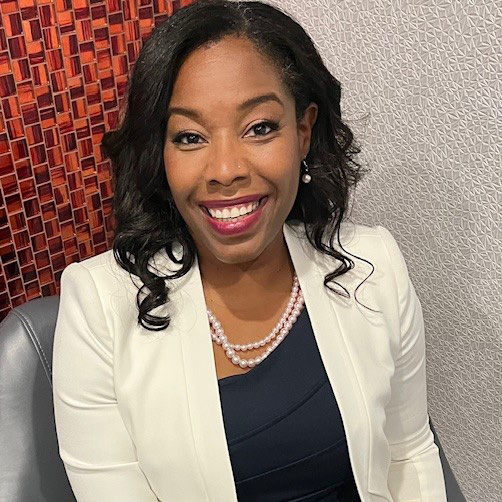
- LBBC Medical Advisory Board member
- Speaker, 2026 Living Beyond Breast Cancer Summit
- Speaker, Effective treatment & side effect support | Innovations in breast cancer care
- Physician, researcher, advocate, and expert on cancer and healthcare disparities
- 2024 Butterfly Ball Emcee
- 2022 Donna Noce Colaco Going Beyond Honoree
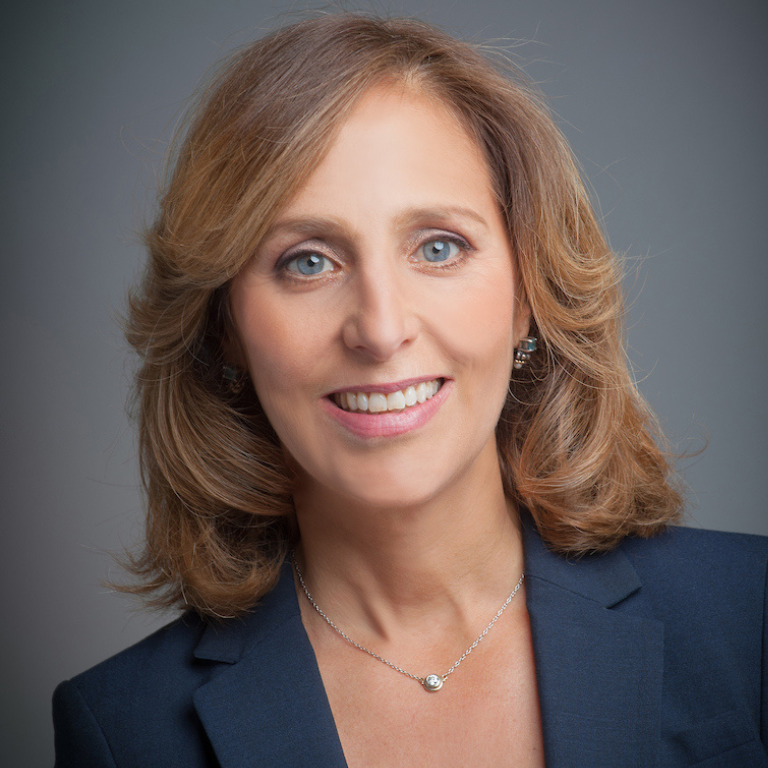
- Joined LBBC in 1996 when she became the organization’s first executive director; she was named CEO in 2008
- Increased LBBC’s annual budget from $100,000 to over $8,000,000
- Founding member of the Metastatic Breast Cancer Alliance
- Secured 4-star rating, the highest available rating, from Charity Navigator for 21 consecutive years in recognition of LBBC exceeding industry standards
- Spearheaded the effort for LBBC to be the Breast Cancer Lead Organization for No One Missed, a national campaign to raise awareness of biomarker testing
- Inspired by her mother’s courage and outrage after being diagnosed with breast, uterine, and ultimately passing away from lung cancer in 2010
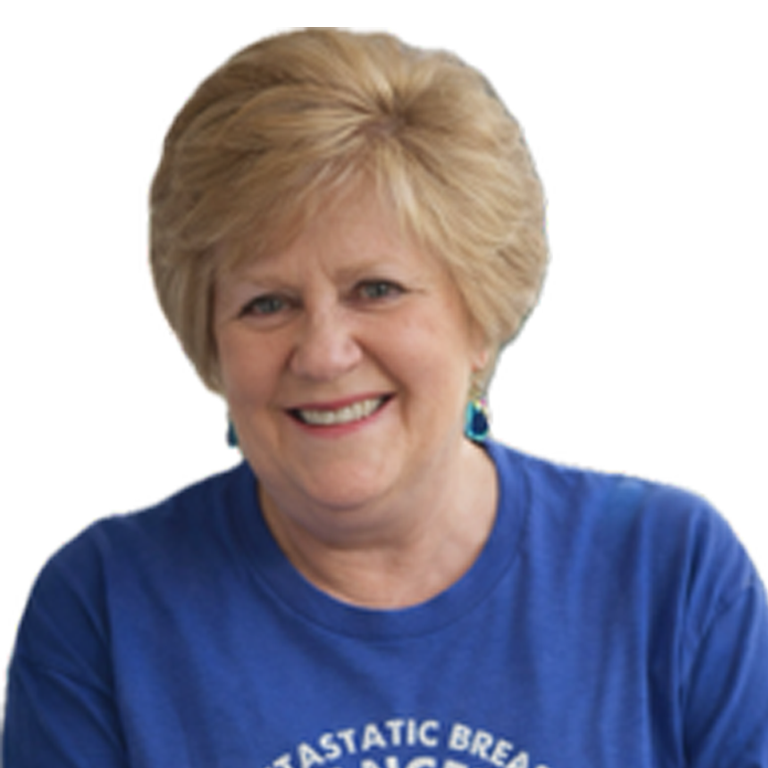
- 2023 Hear My Voice Advocate
- Panelist, 2026 Living Beyond Breast Cancer Summit

- LBBC Young Advocate 2023
- Panelist, 2026 Living Beyond Breast Cancer Summit
Tagged:

Living Beyond Breast Cancer is a national nonprofit organization that seeks to create a world that understands there is more than one way to have breast cancer. To fulfill its mission of providing trusted information and a community of support to those impacted by the disease, Living Beyond Breast Cancer offers on-demand emotional, practical, and evidence-based content. For over 30 years, the organization has remained committed to creating a culture of acceptance — where sharing the diversity of the lived experience of breast cancer fosters self-advocacy and hope. For more information, learn more about our programs and services.