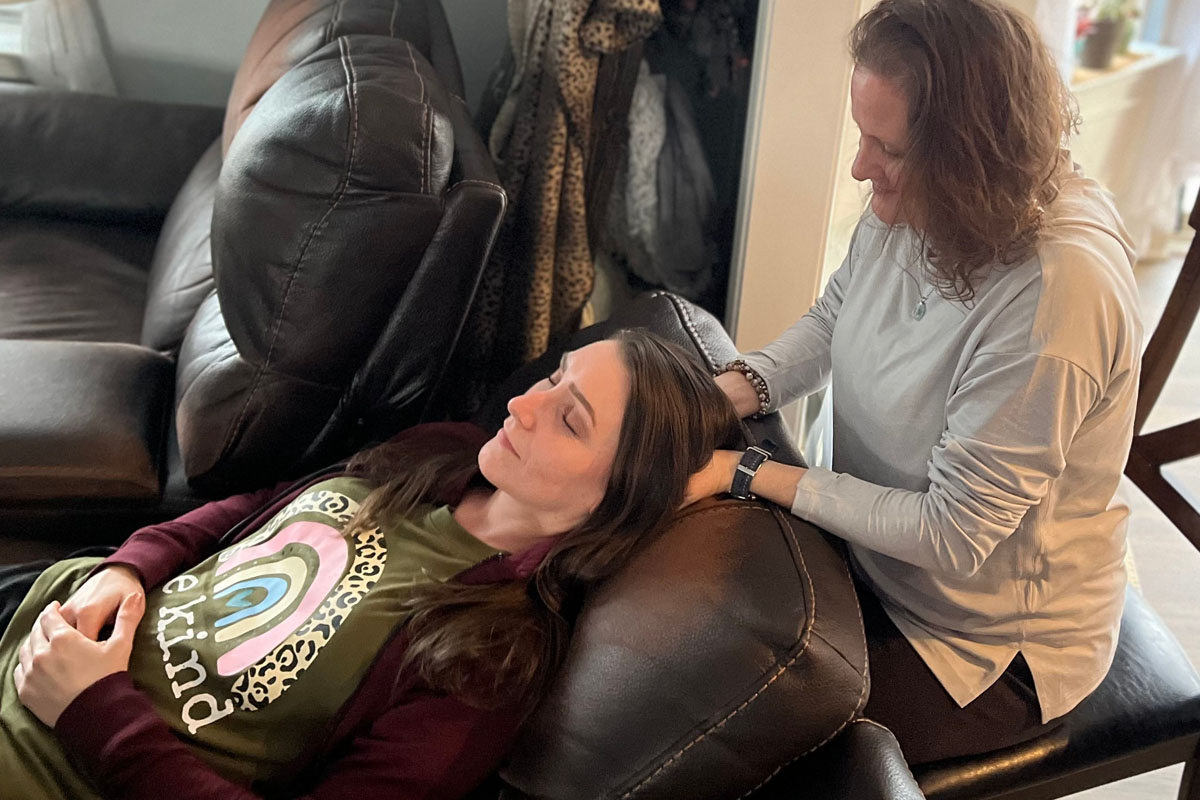
Finding trusted CIM practitioners
Cancer centers often offer complementary and integrative medicine programs. Ask your care team if your hospital has one.
You can also search for independent practitioners, such as a licensed acupuncturist in your community. Look for professionals with a degree or certification that includes the term “oncology” and/or “integrative” who has experience working with people who’ve been diagnosed with breast cancer.
Cancer Support Community and other organizations offer some complementary therapies, including virtual and in-person mindfulness meditation and yoga classes.
If you cannot find a practitioner with oncology qualifications, let your doctor know you are considering seeing a practitioner who does not have oncology experience. Your doctor can provide guidance on whether a practice is safe for you and any questions to ask.
It’s also OK to ask to meet with a practitioner before you start classes to make sure the practice is safe for you.
You may come across CIM practitioners who claim their therapy or medicine can cure cancer. If anyone makes this claim, or requires that you stop conventional treatment before working with you, look for someone else.
Some questions to ask your CIM practitioner before working together are:
- What training or certification do you have specifically for working with people who have been diagnosed with cancer?
- How much experience do you have working with people with breast cancer?
- How will your practice interact with my medicines or treatment?
- Is it safe to use your practice while I am also receiving treatment for cancer?
- For practices such as yoga: If I can’t do a pose or position safely, will you show me how to adapt it to my needs?
- What skills can you teach me to practice on my own?